
Idaho Falls Area GOP Dominates as State Sees Modest Democratic Gains
While a national tide carried Democrats to victory in Congress this week, that blue wave stopped short of the Idaho Falls region. In a stark contrast with the national results, Republican incumbents in Districts 31, 32, and 33 held onto all nine of their legislative seats, Post Register reported.
The story is one of two Idahos: one deeply anchored in conservative tradition, and another showing the first signs of a political shift.
A Conservative Stronghold Votes Overwhelmingly Republican
Nowhere was the Republican grip more evident than in District 32, which covers Bonneville County and communities like Iona and Ririe. In the state Senate race, incumbent Kevin Cook defeated his Democratic opponent Konnor Whitfield by a commanding 72.48% to 27.52%, securing his fourth term. In the House, Rep. Stephanie Mickelsen ran unopposed, winning 100% of the vote, while Rep. Erin Bingham defeated Kamber Weninger with 70.91% of the vote.
Cook, addressing his opponent’s lack of a campaign, was direct. “I don’t see the purpose of it,” he said. “If you’re not going to run, don’t do it. Maybe there’s a political reason for it, but it just seems a waste of everybody’s time to do that.”
The results were similar in neighboring districts. In District 33, which covers most of Idaho Falls, Republican incumbents also won. Sen. Dave Lent defeated Jan Brown (54.81% to 45.19%), Rep. Barbara Ehardt topped Chance Marshall (51.91% to 48.09%), and Rep. Marco Erickson defeated Todd DeVries (55.61% to 44.39%). The district featured the closest races in the area, but the outcomes remained the same.

In the sprawling District 31, covering Clark, Fremont, Jefferson, and Lemhi counties, the margins were even wider. Sen. Van Burtenshaw and Reps. Jerald Raymond and Rod Furniss all won with over 78% of the vote, crushing their Democratic opponents.
Statewide Picture: A Glimmer for Democrats, but GOP Supermajority Intact
These local wins are part of a larger state story. While Idaho Falls remained firmly red, Democrats did make modest gains elsewhere, picking up six legislative seats to grow their caucus from 15 to 21 in the upcoming session. Despite this, Republicans maintain a supermajority in both chambers and control all seven statewide constitutional offices and the state’s four congressional seats.
Bonneville County saw a slight uptick in voter turnout, with an estimated 64% of registered voters casting ballots, up from 58% in the last midterm, according to Helena Welling, Bonneville County Elections Supervisor.
“Idaho is still a conservative state and believes in the sanctity of life,” Cook said of his constituents’ views. “Now that doesn’t say the current law is good either.”
Cook Plans New Abortion Legislation
Idaho voters resoundingly rejected Proposition 1, a ballot initiative that would have legalized abortion up to fetal viability. The measure received 44.1% of the vote. Cook, who noted voters felt trapped between a “bad Proposition 1 and a bad current law,” said he plans to sponsor new legislation in the upcoming session to clarify the state’s strict abortion ban.
“It does not open up the doors for elective abortion,” Cook said of his planned bill. “It would provide options for a nonviable pregnancy where the child can’t live outside the womb, or the mother’s health is in serious jeopardy.” He added, “Surely we can write better legislation that the doctors feel comfortable with, when the life of the mother is on the line.”
Idaho voters also rejected a proposed constitutional amendment, HJR 4, which would have centralized drug legalization authority with the Legislature. The measure failed with 66.3% of the vote against it. Cook defended the effort, explaining it was a last-ditch attempt to prevent “people from outside of Idaho coming in with millions of dollars trying to tell Idaho how to vote.”
For Sen. Dave Lent, a fifth-term senator from Idaho Falls, the focus is now on governance. He highlighted two major goals: reforming the state’s public education funding formula, which he said hasn’t changed since 1994, and expanding the scope of the Idaho National Laboratory.

“We’re moving forward with a more student-centered approach to funding,” Lent said. “That formula hasn’t changed since 1994. The education landscape has significantly changed. Students have changed, parents have changed and technology has changed.”
On the INL, Lent is working to attract “the 40- to 60-year projects that we need to sustain our communities.” His office has launched a website, nuclearforidaho.com, to promote the region’s capabilities for large-scale nuclear projects.
Idaho Falls Sees Political Shifts
For the residents of the Idaho Falls area, the election results mean continuity. The same leadership will be shaping policy on education, healthcare, and economic development in a region where the local economy is closely tied to federal research spending at the INL.
The narrative isn’t static, though. While the GOP's dominance in this part of the state is undeniable, the closer-than-expected races in Idaho Falls itself suggest a political situation that, while not Democratic, may not be as uniformly Republican as it once was. The six seats Democrats picked up across the state are a clear signal that the political map is slowly, and perhaps inevitably, beginning to shift.
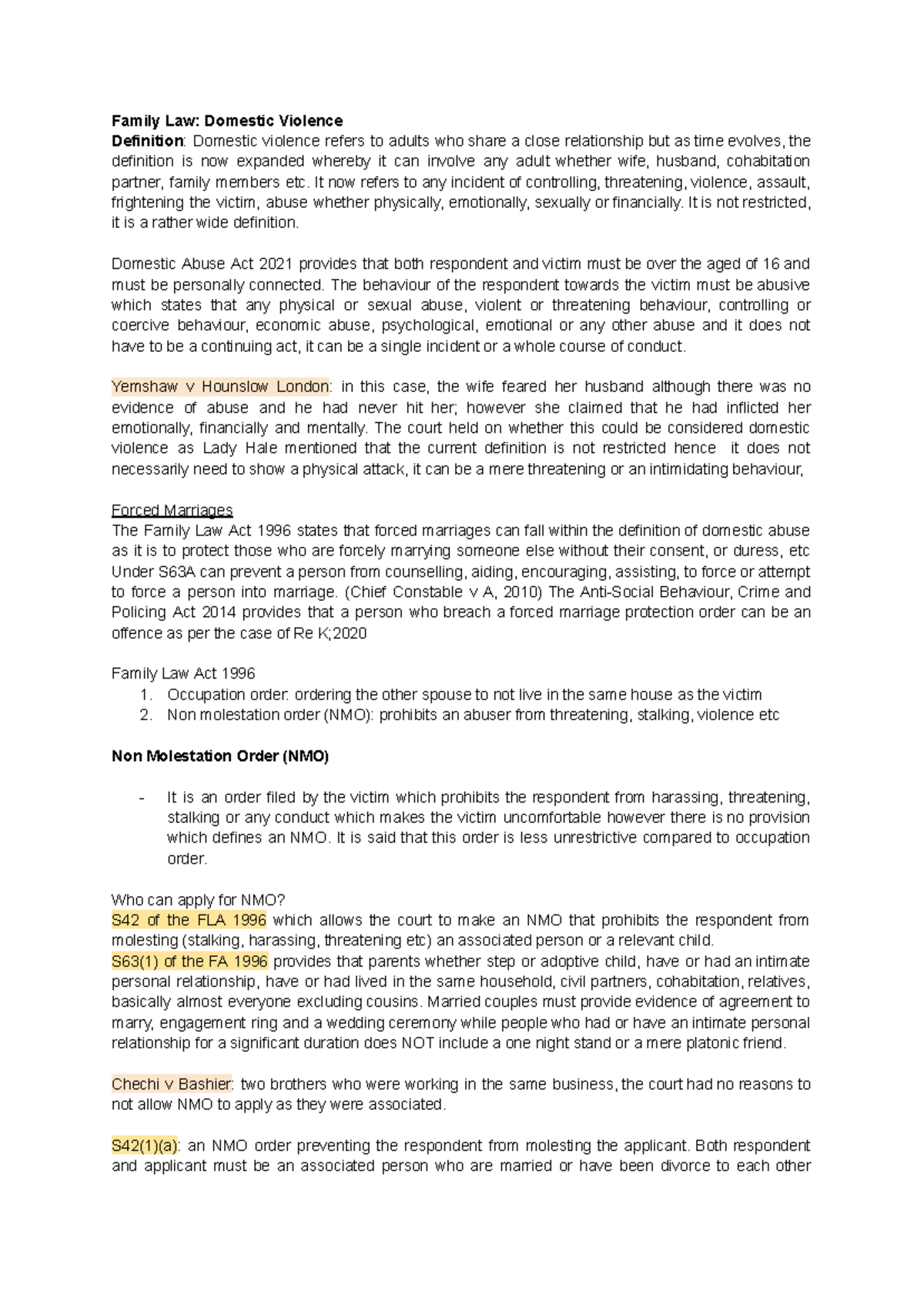
Domestic Violence Laws and Definitions in Delaware
In Delaware, domestic violence legally encompasses far more than physical harm. It includes patterns of coercion, threats to...

Lights of Love Fundraiser Kick-Off Tree Lighting on November 22nd
A Season of Giving Ignites with Connecticut Hospice's Lights of Love The holiday season in Branford officially begins...
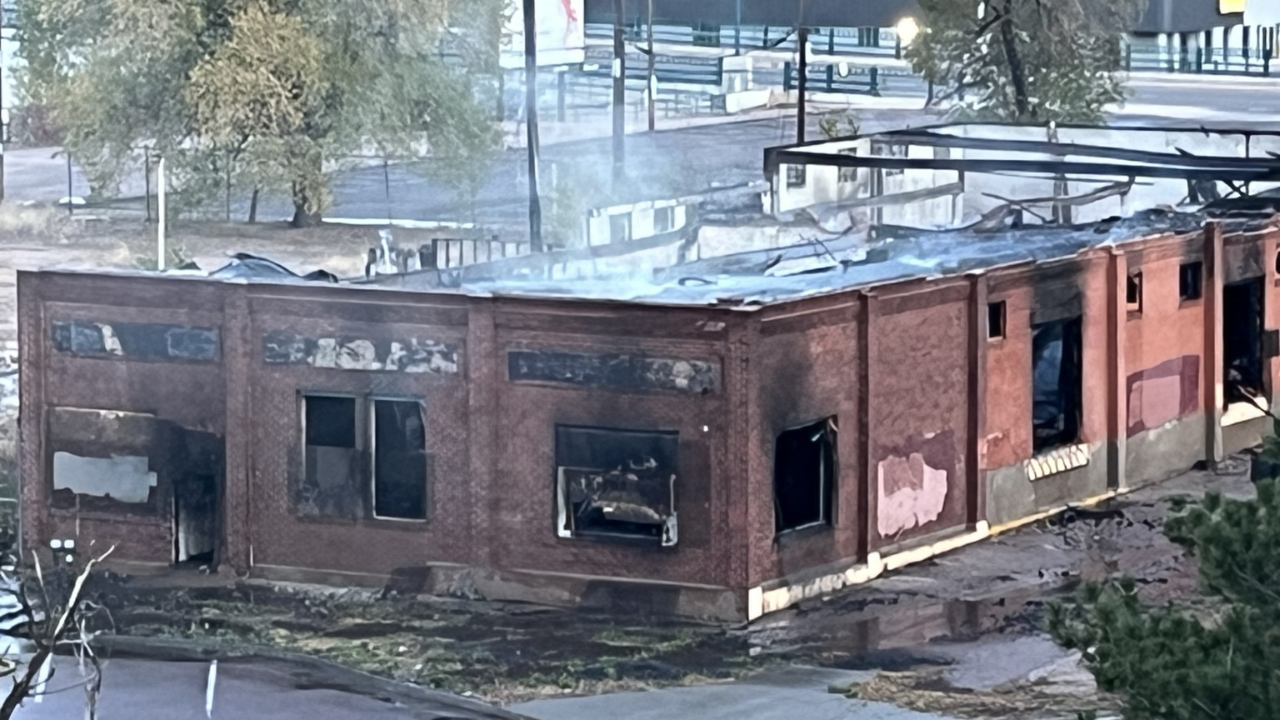
Two-Alarm Fire Consumes Vacant Downtown Colorado Springs Building
3 a.m. Inferno at Cucharras and Sahwatch Shortly before 3 a.m. Thursday, a vacant commercial building at the...

Arkansas Democrats Gain Leverage as Republicans Lose House Supermajority
A Broken Supermajority Changes Arkansas's Legislative Math Last Tuesday’s election in Arkansas broke something that had become a...