
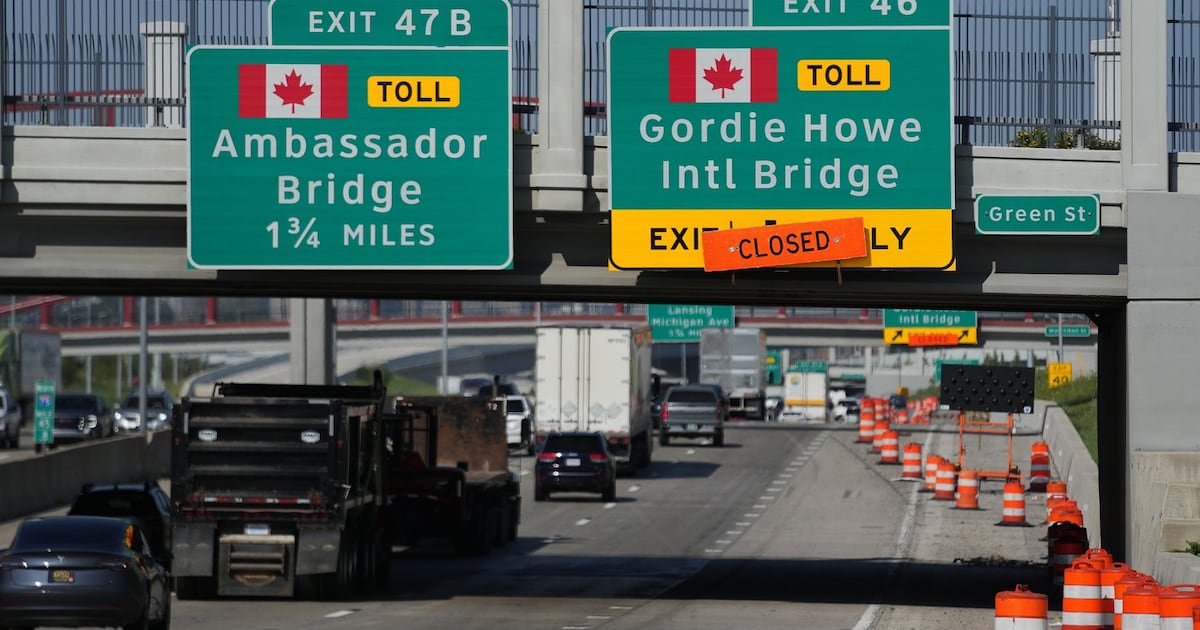
The Gordie Howe International Bridge is scheduled to open on July 27, 2026, following a new revenue-sharing agreement between Canada and the United States. The span, which connects Windsor, Ontario, and Detroit, Michigan, was initially slated to open earlier in 2026 before facing delays, including a standoff that pushed back a planned June opening.
The Revenue-Sharing Agreement
The Gordie Howe International Bridge was constructed entirely with Canadian funding, with Canada investing $6.4 billion to cover construction, land acquisition, and infrastructure on both sides of the border. Under a 2012 agreement, Canada was to retain all toll revenue until its $6.4-billion investment was fully recovered, with revenue sharing with the state of Michigan beginning only thereafter.
To resolve a recent impasse involving the Trump administration, the two nations established a parallel 15-year side agreement. According to U.S. Commerce Secretary Howard Lutnick, the new pact grants the U.S. 50% of net revenues until 2041 and provides the U.S. with a role in setting tolls. Lutnick stated on social media that the U.S. share of net revenue is calculated before interest and principal payments on Canada’s debt are deducted.
Prime Minister Mark Carney has provided varying explanations regarding the deal’s mechanics. Initially, he and Housing and Infrastructure Minister Gregor Robertson indicated that net profits would be split after debt repayment. Carney later clarified that the split applies to "net revenues" remaining after operational costs—such as maintenance, staffing, and snow removal—are subtracted. Carney noted that in the initial years, net revenues are expected to be negative or modest as traffic volume increases.
Political Controversy and Transparency
The lack of clarity surrounding the agreement has prompted demands for transparency from opposition parties. Both the Conservative and NDP parties have written to the Liberal government requesting a copy of the agreement and further details on the pact’s terms.
Conservative Leader Pierre Poilievre has accused the Prime Minister of providing "directly contradictory statements" regarding whether Canada would be splitting toll revenues before or after debt repayment. In a letter to the Prime Minister, Poilievre criticized the government for signing a deal that allocates half of the net revenues to the U.S. before Canada is repaid for the full cost of the bridge.
The NDP, through international trade critic Heather McPherson, labeled the government’s refusal to answer questions about the project as "unacceptable."
Economic Significance of the Crossing
The Windsor-Detroit corridor remains the busiest commercial land crossing in North America. The two nations conduct more than one trillion dollars in bilateral trade annually. Officials expect the Gordie Howe International Bridge to reduce congestion and speed up commutes for local workers and the delivery of goods.
Projections suggest that the bridge will save trucks 20 minutes per crossing and billions in transportation costs over the lifespan of the structure. The Canadian government stated that the opening plan includes cooperative measures focused on toll transparency and the establishment of a 15-year economic development fund, which will receive a portion of the bridge’s operational proceeds to support the U.S. side of the border.
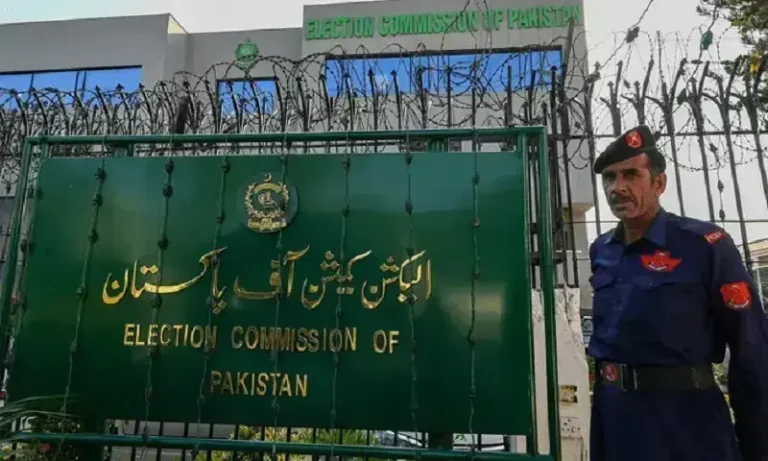
ECP Orders Islamabad Local Government Elections for December 20
The Election Commission of Pakistan has ordered local government elections in Islamabad to proceed on December 20, 2026,...

Botswana’s President Duma Boko Launches Okavango Circle
Botswana President Duma Boko launched the Okavango Circle on September 22, 2026, in New York, aiming to shift...

Afenyo-Markin files defamation suits against Gyamfi, Adjei
Minority Leader Alexander Afenyo-Markin has filed new defamation suits in the Accra High Court against Ghana Gold Board...
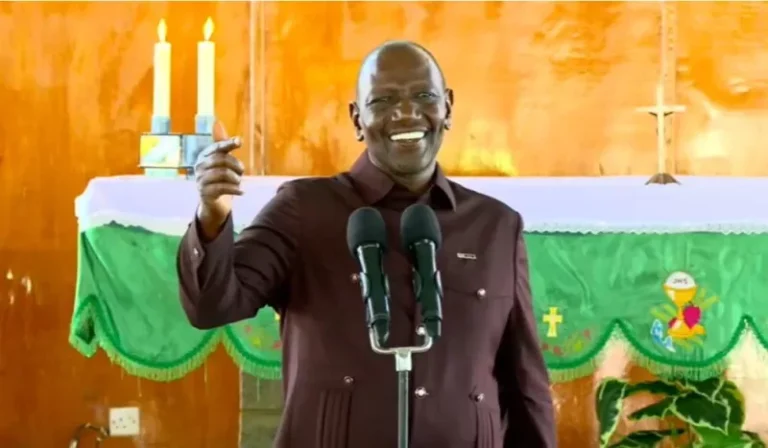
Ruto’s Men Compete for Political Blessing
President William Ruto’s development tour of the North Rift ahead of the October 20, 2026 Mashujaa Day celebrations...