
For more than a decade, the construction industry in Louisiana has been in a quiet, high-stakes arms race. While the state’s skyline and industrial corridors have shifted, the academic machinery behind those projects has undergone an even more radical transformation. Since 2014, when Jonathan Shi joined Louisiana State University, the university has pivoted from a traditional academic model to a hyper-integrated partnership with the private sector, aiming to secure a permanent lead in the national construction hierarchy.
The latest milestone in this effort is the development of a standalone School of Construction and a new, massive Construction & Advanced Manufacturing Building. According to the LSU Foundation, these aren’t just new classrooms; they represent a strategic attempt to bridge the gap between abstract engineering research and the immediate, gritty needs of Louisiana’s top private companies.
The Local Engine of the State Economy
To understand why LSU is pouring resources into this specific sector, you only have to look at the Baton Rouge business landscape. In any given year, the local private sector is dominated by construction firms, which consistently occupy the majority of the top 10 rankings in regional business reports. This is not a global industry detached from the local economy; it is a hyper-local engine that demands a steady, high-quality stream of talent to function.
Shi, who serves as the Art E. Favre Industrial Construction Chair, describes a symbiotic relationship where industry leaders are not just passive donors, but active architects of the curriculum. The pressure to innovate is constant, driven by a reality where six or seven out of the top ten private employers in Baton Rouge are construction-related. If the university fails to adapt, the local economy feels the impact almost immediately.
“I would say our industry has been probably playing the most proactive role in encouraging [LSU] to do more, to be at the forefront, to lead the future — and now we are one of the premier programs in the country,” says Shi.
The Limits of Automation and the Value of ‘Learning to Fish’
While the new building will house advanced technology—including robotics and AI-driven digital modeling—there is a distinct skepticism toward the idea that software alone will solve the industry’s labor woes. Shi notes that while a new robotic tool can be mastered in a single afternoon, the human element of construction remains a complex, slower-moving variable.
The curriculum is designed to balance the digital with the fundamental. Students are drilled on productivity, energy efficiency, and operational performance, but the focus remains on equipping them with a mindset that survives technological cycles. As Shi puts it, the goal is to teach students “how to fish,” ensuring they remain relevant even as the specific digital tools they use today become obsolete tomorrow.
This approach has turned the program into a talent pipeline that is nearly impossible to decouple from the state’s largest employers. By embedding students in internships and industry-led projects early, the university ensures that the transition from a student to a site manager is seamless. It is a formula that works: the placement rate for graduates remains exceptionally high, driven by a local market that is perpetually hungry for skilled leadership.
High-Risk Research and the Endowment Model
The shift toward a standalone school was once considered a risky, overly ambitious goal. Twelve years ago, the faculty was smaller, research funding was fragmented, and the physical infrastructure was arguably insufficient for a national-caliber program. The turnaround was made possible through endowments and professorships that allowed researchers like Shi to chase ideas that wouldn’t have survived a traditional, risk-averse grant process.
The new Construction & Advanced Manufacturing Building is slated to be among the largest and highest-quality facilities of its kind in the United States. It stands alongside other campus investments, such as the Our Lady of the Lake Health Interdisciplinary Science Building, as part of a broader academic footprint expansion. For the university, the math is simple: provide the space and the resources, and the industry will provide the demand.
Yet, a question remains for the broader Louisiana workforce. As the industry becomes more dependent on high-level automation and digital modeling, the barrier to entry for smaller, local contracting firms may rise. While the university prepares elite graduates for this high-tech future, the broader challenge for the state will be ensuring that this modernization doesn’t leave the smaller contractors—who still form the backbone of the local market—behind. For now, the momentum is entirely in one direction: toward a future where the classroom and the construction site are increasingly indistinguishable.
Related reading

KC Book Fair supports Lead to Read KC and local literacy efforts
Kansas City adults reclaim the childhood tradition of the school book fair For decades, the Scholastic Book Fair...
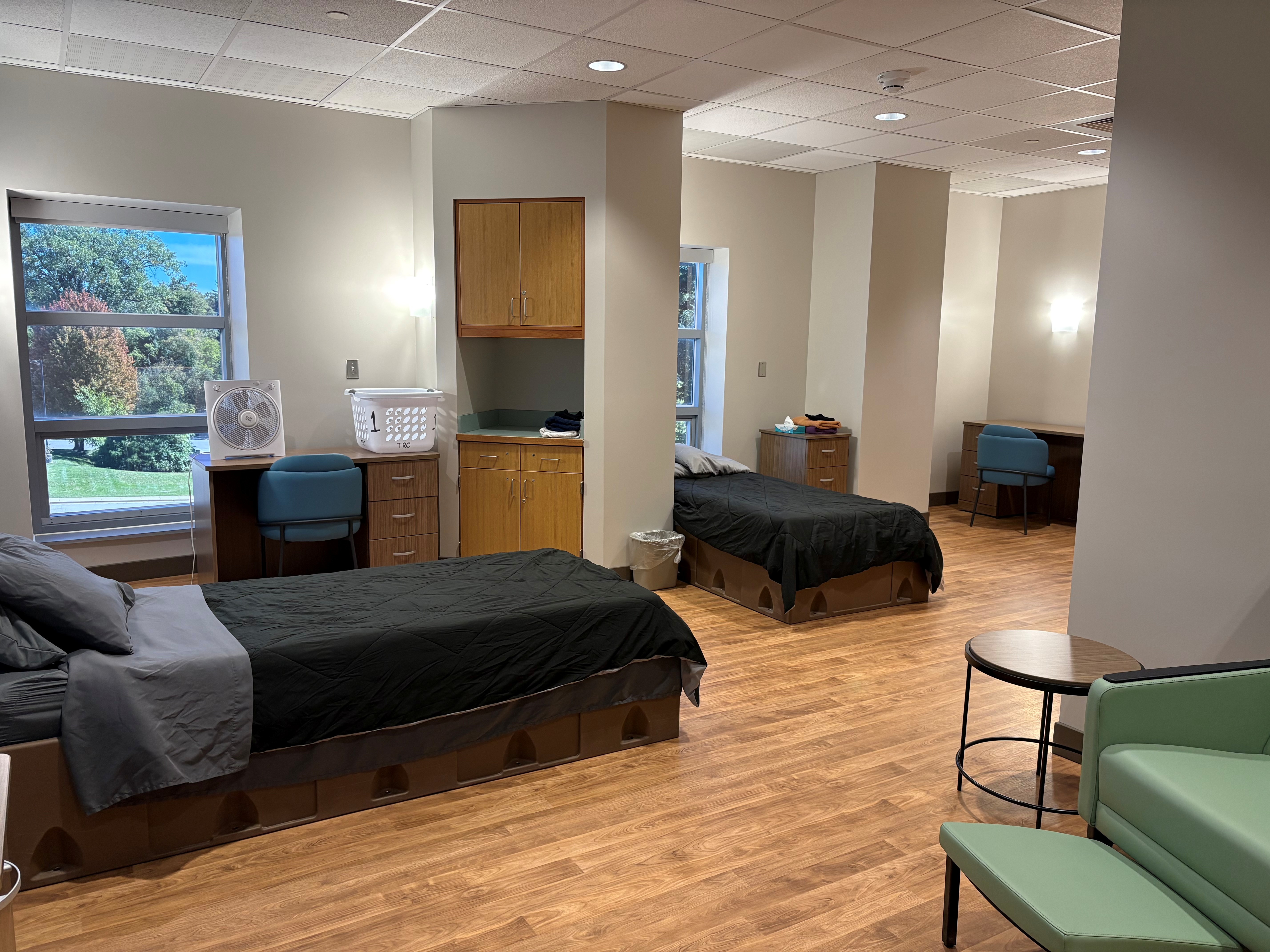
Lansing Detox Center Offers 24-Hour Supervised Medical Withdrawal Support
Lansing’s Recovery Center Adds 10-Bed Capacity for Short-Term Stabilization A new resource for individuals navigating the early stages...

Gov. Maura Healey Signs Emergency Order to Immediately Enact Massachusetts Abortion Law
Massachusetts Governor Maura Healey signed an emergency preamble on Friday, a decisive move that forces a new, expansive...

Tim Bailey Named Maine Golf 2026 Volunteer of the Year
Tim Bailey Named Maine Golf Volunteer of the Year The quiet, essential work that keeps Maine’s golf community...