
The €5 billion public sector pay standoff
The Irish government has offered a larger pay proposal to public sector unions to prevent a nationwide strike scheduled for Thursday, November 12.
RTE.ie reported that the proposed deal, which includes a 10.5% pay increase, is expected to cost the Exchequer close to €5 billion over the lifetime of the agreement. This total includes €4.58 billion for the base pay increase, with the remainder allocated to additional measures designed to support lower-paid workers.
The proposal comes as tensions remain high between the Coalition and trade unions. While the government views the offer as a substantial improvement, unions are still preparing for industrial action. The upcoming strike is set to coincide with a major European Political Community summit in Dublin, an event marking Ireland’s EU presidency that will bring approximately 50 European leaders to the capital.

A race against the 48-hour deadline
The government has placed a strict timeline on this revised offer. According to Newstalk, the deal has a limit: if the planned strike proceeds on Thursday, the offer will be withdrawn from the table.
Taoiseach Micheál Martin described the offer as “very, very fair” during an appearance at the Dromineer Water Sports Facility in Co Tipperary. He noted that the package meets the criteria established early in the negotiations and said a sustainable budget is needed to continue recruiting essential staff.
“We want to be in a position in the future as well to have a sustainable budget that will allow us to continue to recruit teachers and nurses and special needs assistants, and many more gardaí and so forth,” Martin said, according to The Irish Times.
The Tánaiste, Simon Harris, echoed this sentiment while speaking in Brussels. He urged unions to engage with the proposal in good faith to find a “landing zone” and de-escalate the situation. Harris told reporters in Cork that he does not believe a strike is inevitable, provided intensive engagement occurs in the coming hours.
However, the economic stakes are high. Minister for Public Expenditure and Reform Jack Chambers previously noted that every 1% increase in public sector pay carries a cost of approximately €437 million, factoring in both pay and pension impacts.
The following table outlines the primary figures associated with the current negotiations:
| Metric | Value/Detail |
|---|---|
| Total Estimated Cost | Close to €5 billion |
| Base Pay Increase | 10.5% |
| Cost per 1% increase | €437 million |
| Previous Rejected Offer | 7.75% over 2.5 years |
| Potential 2026 Back Pay | €1,200 or 2% (whichever is higher) |
The Journal reported that some workers could see cumulative increases of up to 17.8% when accounting for specific packages for lower-paid staff. The proposal may include a back payment of €1,200 or 2% in 2026, bringing the total pay increase for that year to 4%.
Union resistance and the strike logistics
Despite the improved figures, union leaders remain cautious. Fórsa Deputy General Secretary Katie Morgan stated that strike plans must continue until an agreement is officially reached. The union is encouraging members to participate in rallies rather than traditional workplace pickets.
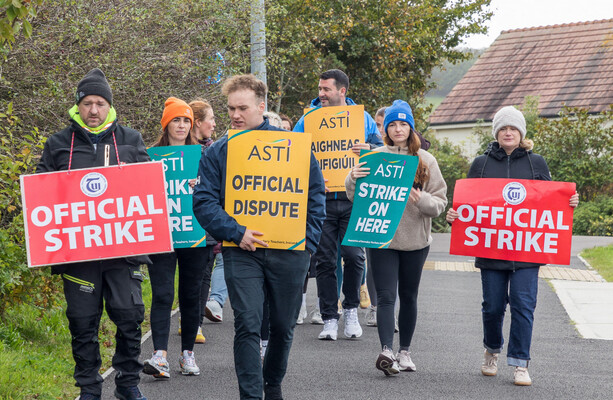
Eight demonstrations are planned across the country between 12pm and 2pm this Thursday. The largest rally is expected in Dublin, with a potential march from O’Connell Street to Government Buildings. Other scheduled locations include Cork, Limerick, Galway, Waterford, Sligo, Tullamore, and Letterkenny.
Union concerns center on the duration of the deal and the specifics of non-pay elements. If the agreement spans three years rather than two and a half, unions have indicated they will seek a higher percentage uplift. Fórsa General Secretary Kevin Callinan described the current negotiation process as “very difficult” in a message to members.
The Irish Times reported that Garda sources believe the EU presidency events are unlikely to pass without incident, given the scale of the planned demonstrations and the presence of world leaders. There is also noted frustration within Garda Headquarters regarding the recent work-to-rule actions that could not be halted.
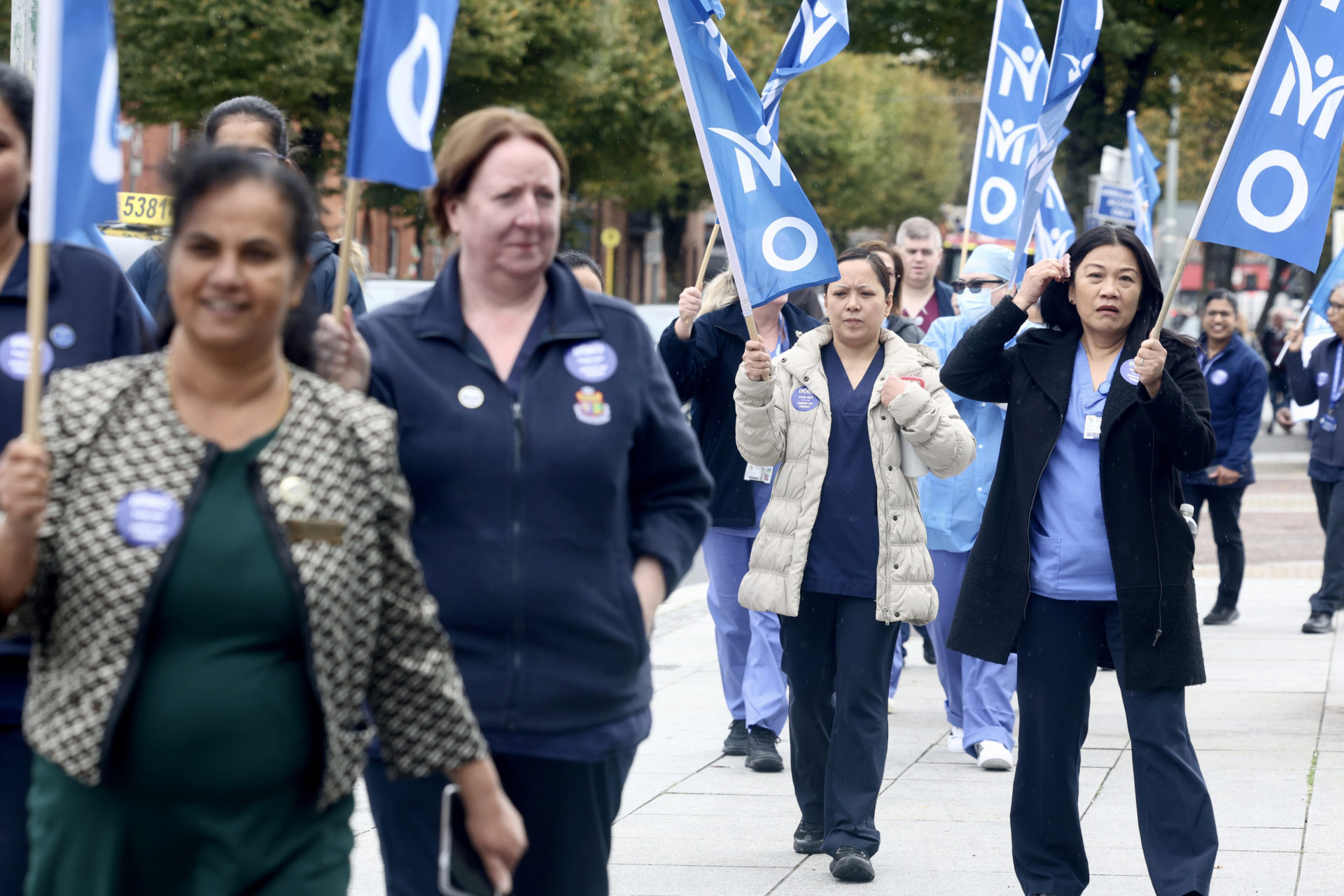
The dispute follows a period of industrial unrest. More than 300,000 public sector workers participated in a nationwide strike on October 14, and a subsequent stoppage planned for October 21 was suspended to allow for these current negotiations to take place.
The immediate focus remains on the meetings held between the government and an independent group chaired by Workplace Relations Commission (WRC) Chair Kevin Foley. The outcome of these talks will determine whether the planned 24-hour work stoppage on Thursday 12 November will be called off.
WFIRM Studies Colorectal Cancer Chemotherapy Response in Space
Microgravity tests colorectal cancer drug response Researchers are using the microgravity environment of the International Space Station to...

Davao Occidental Faces Potential Dry Spell by Late November 2026
Davao Occidental may enter a dry spell by the end of November 2026, according to a meteorological forecast...

Multi-Compound Supplement May Improve Vascular Health, Study Finds
Nutrients may improve vascular health A daily multi-component nutritional supplement can improve endothelial function and reduce arterial stiffness...

Isabela Shifts to Drought Defense Against Looming Super El Niño
Isabela is shifting into drought-defense mode as a looming Super El Niño threatens the region with months of...