
Greece recorded its hardest two days for migrant arrivals this year as more than 1,000 people were rescued off Crete and Gavdos and hundreds more reached shore between Friday and Sunday.
Migration Minister Thanos Plevris called the 48-hour period the “most difficult” of 2026. The total number of migrants on Crete rose to around 2,500, overwhelming local reception facilities. Two bodies were recovered on the rocky coast of Gavdos on Saturday after a boat struck rocks.
The surge marks an escalation on the eastern Libya route, a corridor for Sudanese and Bangladeshi nationals heading to Europe. UNHCR data show Sudanese accounted for 32.3 per cent of sea arrivals in Greece through September.
- More than 1,000 migrants rescued off Crete and Gavdos in over a dozen operations on Saturday; about 700 others reached shore the same day.
- Two migrants died and four were injured when their boat hit rocks on Gavdos; bodies recovered Saturday.
- Total on Crete now around 2,500, including 1,300 in Heraklion and 300 in Ierapetra, per Minister Plevris.
- A ship will be stationed on Crete from this week to transfer people to mainland reception centres.
The weekend in numbers
Greek coast guard and shipping ministry officials told Reuters that more than 1,000 people were rescued in over a dozen separate operations off Crete on Saturday. A further 700 reached the island’s shores unaided. On Sunday, authorities rescued about 245 people aboard four boats after Frontex drones spotted them. The combined arrivals pushed the island’s migrant population to roughly 2,500, according to Plevris.
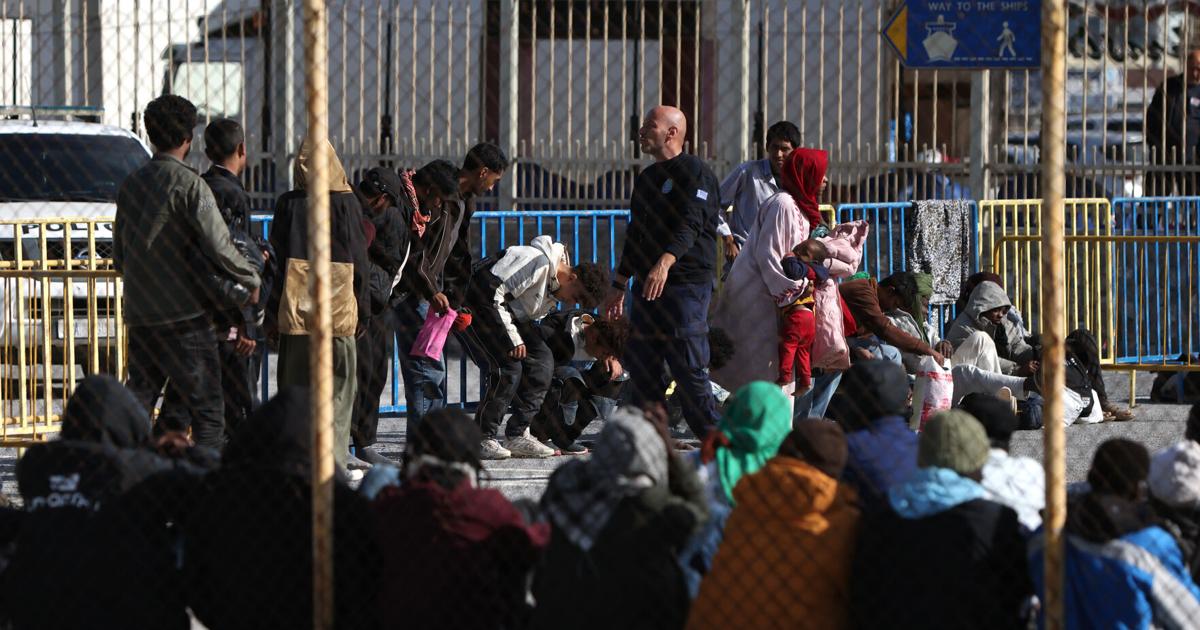
In Heraklion, the island’s capital, hundreds were bused to the port where a temporary accommodation centre was already full. Families sheltered outdoors on mats inside an indoor stadium. In Ierapetra, where a previous site was deemed unsuitable, authorities sent 11 tents and two prefabricated units.

Libyan corridor drives the surge
Most boats depart from eastern Libya, particularly around Tobruk and Derna, a crossing of roughly 300 kilometres to Gavdos and southern Crete. Plevris told SKAI television that Libyan coast guard patrols have largely stopped intercepting departures, a shift he linked to limited co-operation from Libyan authorities in recent days.
The route has grown rapidly in importance. More than 25,000 people have reached Crete since January, out of at least 41,000 who entered Greece by land and sea overall, according to Kathimerini. On November 9, 12 migrants were found dead aboard a vessel off southern Crete.
Local authorities scramble for shelter
Deputy regional governor for social policy Stelios Vorgias warned the situation had “spiralled out of control,” with almost 2,000 migrants stranded at Heraklion port exposed to cold and approaching gale-force winds. He said the municipality and prefecture were “responding out of a sense of humanity” to provide a temporary solution so that women and young children would not spend the night in the rain.
They are human beings, and human beings retain their human rights wherever they are and under any circumstances. We are absolutely committed to upholding this fundamental principle.
Mayor Alexis Kalokairinos, Heraklion
Transfer plan and EU context
Plevris said a ship would be stationed on Crete permanently from this week to carry migrants to reception facilities on the mainland, with placement determined by protection eligibility. The surge arrives less than six months after the EU’s revised migration and asylum framework became applicable.
Greece has accelerated returns of rejected asylum seekers this year and, alongside Austria, Denmark, Germany and the Netherlands, is pursuing a proposed deportation hub in Rwanda from next year. Human rights organisations have criticised the plan; the five countries say it complies with EU and international law.
Death toll rises in earlier Libya-to-Greece crossing
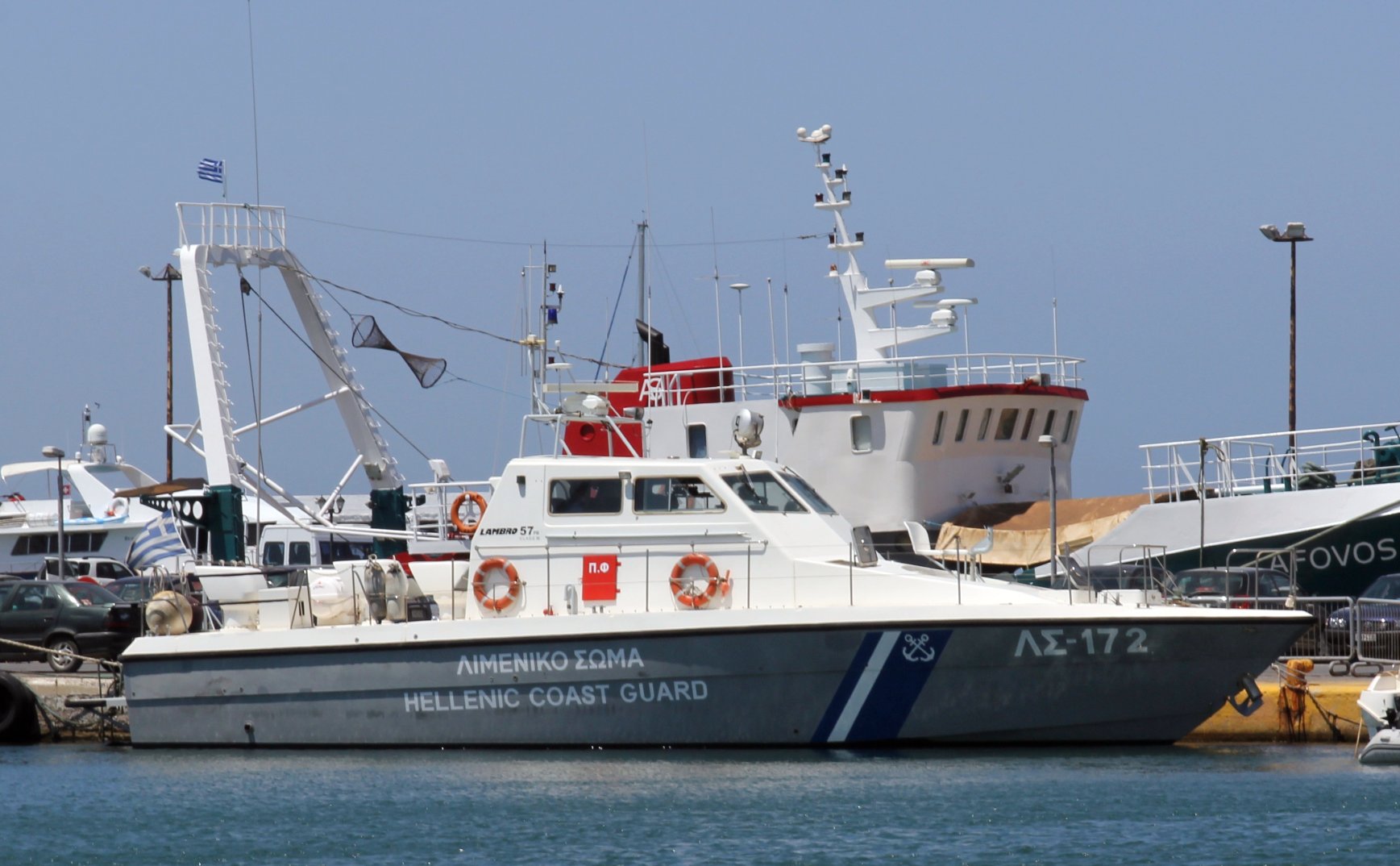
At least 22 people were found dead in two boats located about 15 nautical miles south-southwest of Kaloi Limenes in southern Crete, the Hellenic Coast Guard reported. The Coast Guard rescued 18 foreign nationals from one vessel. Officers recovered twelve bodies from a second boat during the same operation, which was coordinated by the Joint Rescue Coordination Centre.
A Frontex aircraft later spotted a third boat carrying about 40 people roughly 31 nautical miles southeast of Crete. Some 47 foreign nationals were rescued by a European force vessel and were expected to be taken to Kaloi Limenes. That brought the total rescued in the three operations to about 105, with twelve deaths recorded, according to the Coast Guard.
Sudanese and Bangladeshis lead arrivals as Libya patrols lapse
Minister Plevris told SKAI that people fleeing the war in Sudan were taking the eastern Libya route in growing numbers. He said Libyan coast guard interceptions had largely ceased.
Migration Minister Thanos Plevris, who assumed the Migration and Asylum portfolio in June 2025 after serving as Health Minister from 2021 to 2023, now faces the busiest 48-hour arrival period of 2026.
His recent diplomatic engagement with the Tripoli-based Government of National Unity in July 2025 preceded eastern Libya’s Government of National Stability declaring him persona non grata, a breakdown in cooperation he now links to the near-total halt in Libyan coast guard interceptions driving the current surge.
Large-scale arrivals now require the mobilisation of transport, medical personnel and temporary accommodation from elsewhere in Greece.

Russia-Africa Summit Highlights Trade Gaps and Military Limits
The third Russia-Africa summit convened in Moscow on October 28-29 with 48 African country representatives, 22 of whom...

About 2,000 Migrants Arrive in Crete by Boat Since Friday, Greek Officials Say
More than 2,000 migrants reached Crete by boat from eastern Libya in the 24 hours to Sunday, the...


Glampsite Owner Loses Court of Appeal Bid Over Neighbours’ Driveway Right
A Welsh glampsite owner lost her Court of Appeal bid to stop neighbours driving to their parking space,...