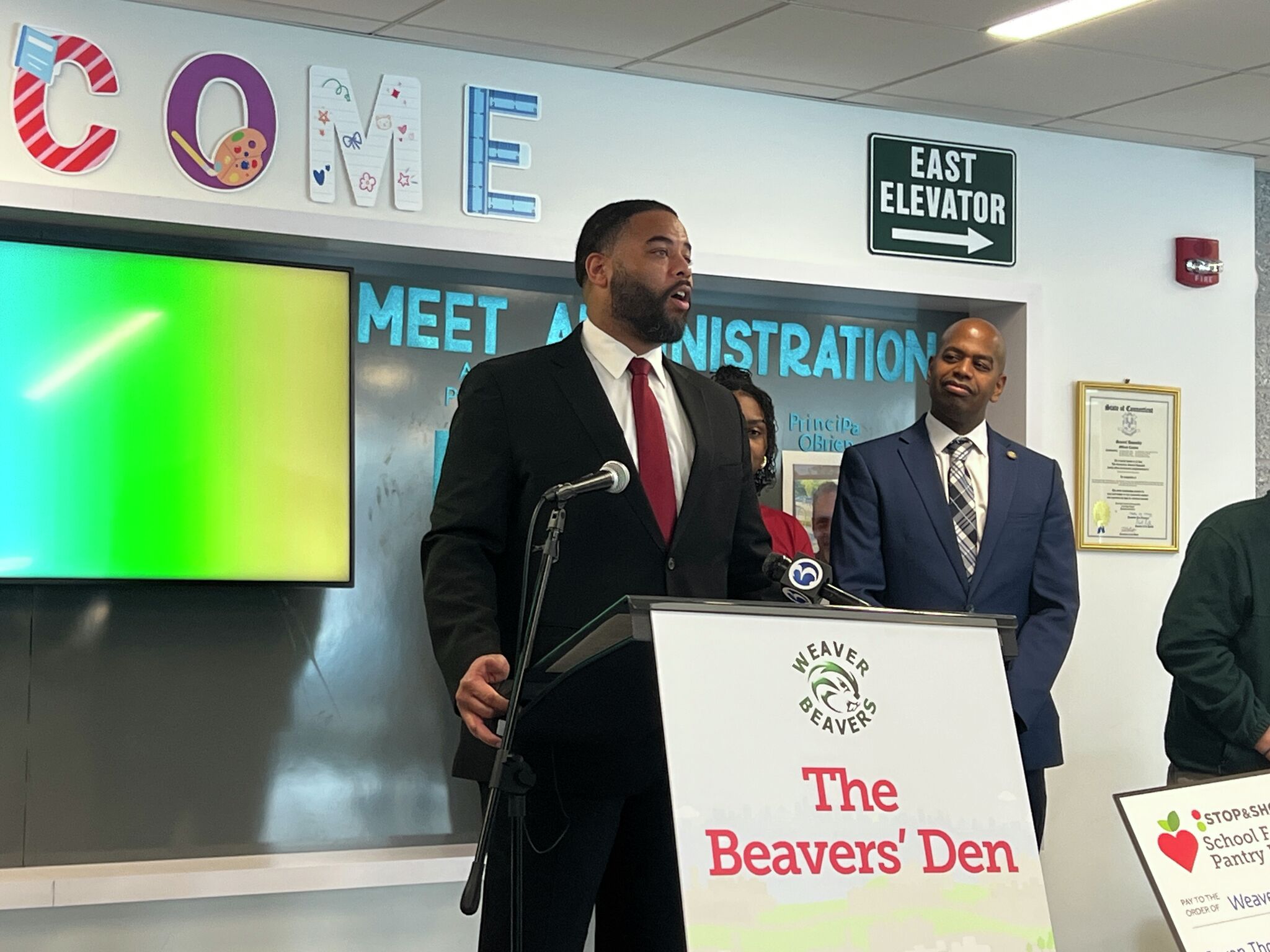
Hartford Public Schools reaches zero special education vacancies at 12 schools
Hartford Public Schools has successfully eliminated special education staff vacancies at 12 schools across the district, according to a press release from the school district. This development marks a step in the district’s efforts to address staffing shortages. The district’s special education vacancy rate has dropped from 25% to 9%.
The district identified several specific strategies used to achieve this reduction, including increased pay differentials, early recruitment efforts, and targeted hiring for roles that are traditionally difficult to fill. Additionally, the administration expanded certification and university pathways while strengthening candidate sourcing and internal coordination between human resources and special education teams.
While the progress at these 12 locations is notable, the district noted that total vacancies for special education staff currently stand at 13 full-time positions. Superintendent Andraé Townsel emphasized that filling these roles is about more than just administrative numbers.
“Hiring the special education educators that our schools require to meet the needs of students represents more than a staffing improvement. It means greater consistency and support for student learning and family support,” Townsel said.
The impact of these vacancies extends beyond the classroom and into the district’s operating budget. The school district stated that stabilizing internal staffing helps reduce the financial burden of relying on agency, temporary, or emergency staffing, which often incurs higher long-term costs.

For students, the primary benefit involves the consistent delivery of services mandated by their Individualized Education Programs (IEPs). When vacancies are filled, the district says there are fewer disruptions to the specialized support systems these students rely on for academic and developmental progress.
The challenge of maintaining a teacher pipeline
While higher wages served as a catalyst for recent hiring, educators within the district suggest that financial incentives are only one part of a sustainable solution. Deborah Butler, a special education educator at María C. Colón Sánchez Elementary School, noted the immediate impact of recent compensation changes while highlighting the need for long-term stability.
“When the salary increase came through, it felt like fireworks, and it told special educators that Hartford values the work we do,” Butler said. “But fireworks fade, and what keeps the momentum going is a strong pipeline of high-quality, certified educators for these roles. Higher pay gets great teachers in the door, but strong pathways into the profession help someone be ready to walk the path.”

To address this, the district is focusing on developing local talent and creating environments that encourage educators to remain at Hartford Public Schools long-term. This includes recruiting earlier and building stronger connections with professional certification pathways.
The district’s approach is being viewed as a potential model for other districts across the state. Daniel Pearson, executive director of Educators for Excellence-Connecticut, suggested that the district’s success stems from addressing specific, localized needs rather than applying a one-size-fits-all solution.
“Hartford’s success in reducing special education vacancies is providing a blueprint for other districts across the state to follow,” Pearson said. “Shortages are often concentrated in specific roles and schools, and higher pay for hard-to-staff schools and subjects is one of several approaches that are backed by research and aligned with what teachers want.”
The district’s human resources and special education teams worked in collaboration with school principals to facilitate these recent hires, a move the administration says is central to their ongoing recruitment and retention strategy.
Keep reading

SCAQMD Air Pollution Control Rules and Regulations Guide
Updating the Regulatory Blueprint for California Air Quality When it comes to the complex machinery of environmental oversight...

Jalen Brunson Makes Law & Order SVU Cameo as Detective Madison
Jalen Brunson Trades the Hardwood for the Precinct in SVU Cameo New York Knicks star Jalen Brunson made...

Justin Pearson accepts 9th District loss but vows to challenge map
The 9th District Results and the Future of Tennessee’s Political Map Democratic state Representative Justin J. Pearson has...
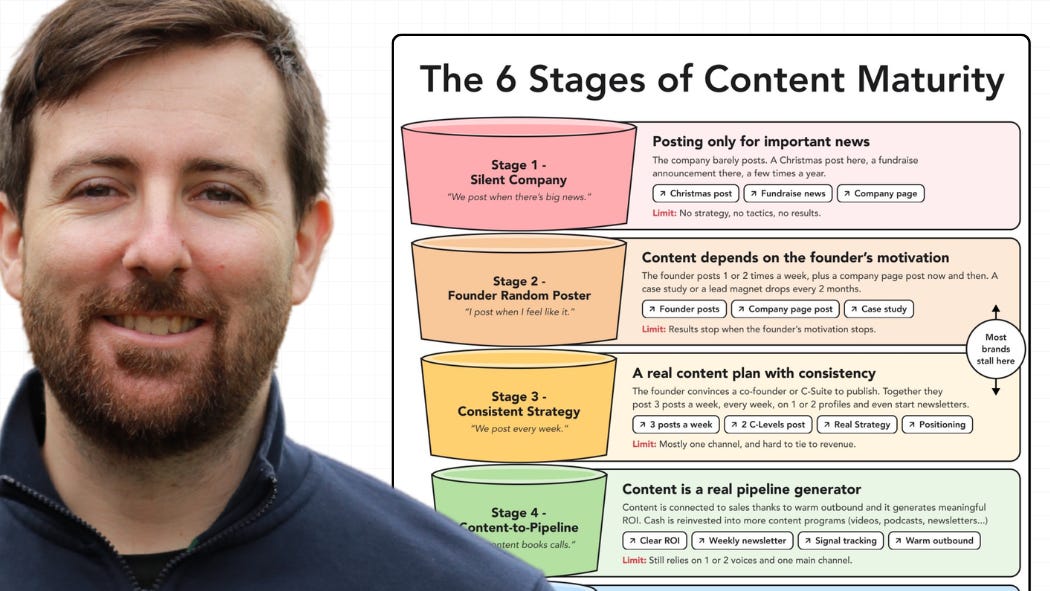
The 6 Stages of Content Maturity: How to Scale Your B2B Content Engine
Content maturity for B2B brands often stalls because companies rely on sporadic, founder-led updates rather than a systemic...