
Hawaii has suspended visitor statistics for Molokai and Lanai after a digital transition cut tourism survey participation to a fraction of its paper-era level.
The decline began March 1, 2025, when the Department of Agriculture and Biosecurity replaced mandatory paper agricultural declaration forms with the digital Akamai Arrival system. The tourism questions long bundled with the paper form were temporarily removed; although later restored, they now sit behind a separate, voluntary link that most travelers skip. Today, while 88% of passengers complete the Akamai Arrival declaration, only 23% continue to the tourism survey, The Garden Island reported.

The data gap is most visible on Hawaii’s smaller islands. Around February, DBEDT stopped publishing visitor figures for Molokai and Lanai because weighting the reduced survey results produced impossible estimates. The islands also lack direct mainland flights, making it harder to fill gaps with other data.
That has raised particular concern because Lanai is one of the few islands where residents have expressed support for attracting more visitors. Lanai’s community-driven Destination Management Action Plan notes that many of the island’s challenges stem from “underengagement” rather than overtourism.
Economist Paul Brewbaker called the disruption a “permanent gap year in economic time series continuity.” He faulted the Department of Agriculture & Biosecurity for implementing Akamai Arrival without adequately consulting the Hawaii Tourism Authority, DBEDT, or tourism data users.
Keith Vieira, principal of KV & Associates Hospitality Consulting, said the sharp decline in participation undermines data that guides marketing investments, tracks visitor behavior and measures campaign effectiveness. “It was part of our competitive advantage to have this information,” Vieira told The Garden Island.
He said credit card companies, airlines, hotel loyalty programs and platforms such as Expedia, Marriott and Hilton provide valuable insights but cannot replace direct surveys because their data is limited to their own ecosystems.
Jerry Gibson, president of the Hawai‘i Hotel Alliance, said incomplete data affects hotel operations and investment decisions, from renovations and product development to staffing and amenities. “We need data from every market and we need it on a continual and persistent basis,” Gibson told The Garden Island.
He favors “gamifying” the survey by offering visitors coupons, discounts or promotions from local businesses in exchange for completing it.
Chun said a key impediment is that the tourism survey isn’t mandatory, and the digital format lacks the captive audience of passengers on flights. Wakai said he does not think it is possible to require visitors to answer tourism questions. Vieira also opposes mandatory participation, saying it could damage goodwill and yield poor-quality responses.
He supports incentives but also suggests making the process more convenient for visitors often distracted at the gate. Gibson floated the idea of hiring a professional firm to gather and aggregate tourism data directly from airlines, hotels and other sources, similar to STR hotel-performance reports.
The Department of Agriculture and Biosecurity did not immediately respond to a request for comment from the Honolulu Star-Advertiser, though its agricultural declaration compliance rate has been characterized as a success.
- CNN: S&P 500 Sheds $5.6 Trillion; Ulin Warns AI Concentration Risk in 401(k)s
- Trinity University (Texas) Beats Washington University 1-0 on Hoover Goal
- Tech Outages Drive Cash Reliance Among Australians Amid Digital Payment Vulnerabilities (world-today-news.com)
- Median Net Worth Peaks at 75+ in the Fed's Survey, but the Lead Is Thin (daybreakwire.com)

CNN: S&P 500 Sheds $5.6 Trillion; Ulin Warns AI Concentration Risk in 401(k)s
The S&P 500 shed $5.6 trillion in market value this week and closed more than 10% below its...

Trinity University (Texas) Beats Washington University 1-0 on Hoover Goal
Washington University women’s soccer fell to Trinity University (Texas) 1-0 on Saturday in a match that produced no...

Cruise Lines Adopt Shore Power for EU 2030 Port Mandates; Ports Expand Infrastructure
Cruise lines are accelerating shore power adoption to meet European mandates requiring major ports to offer the technology...
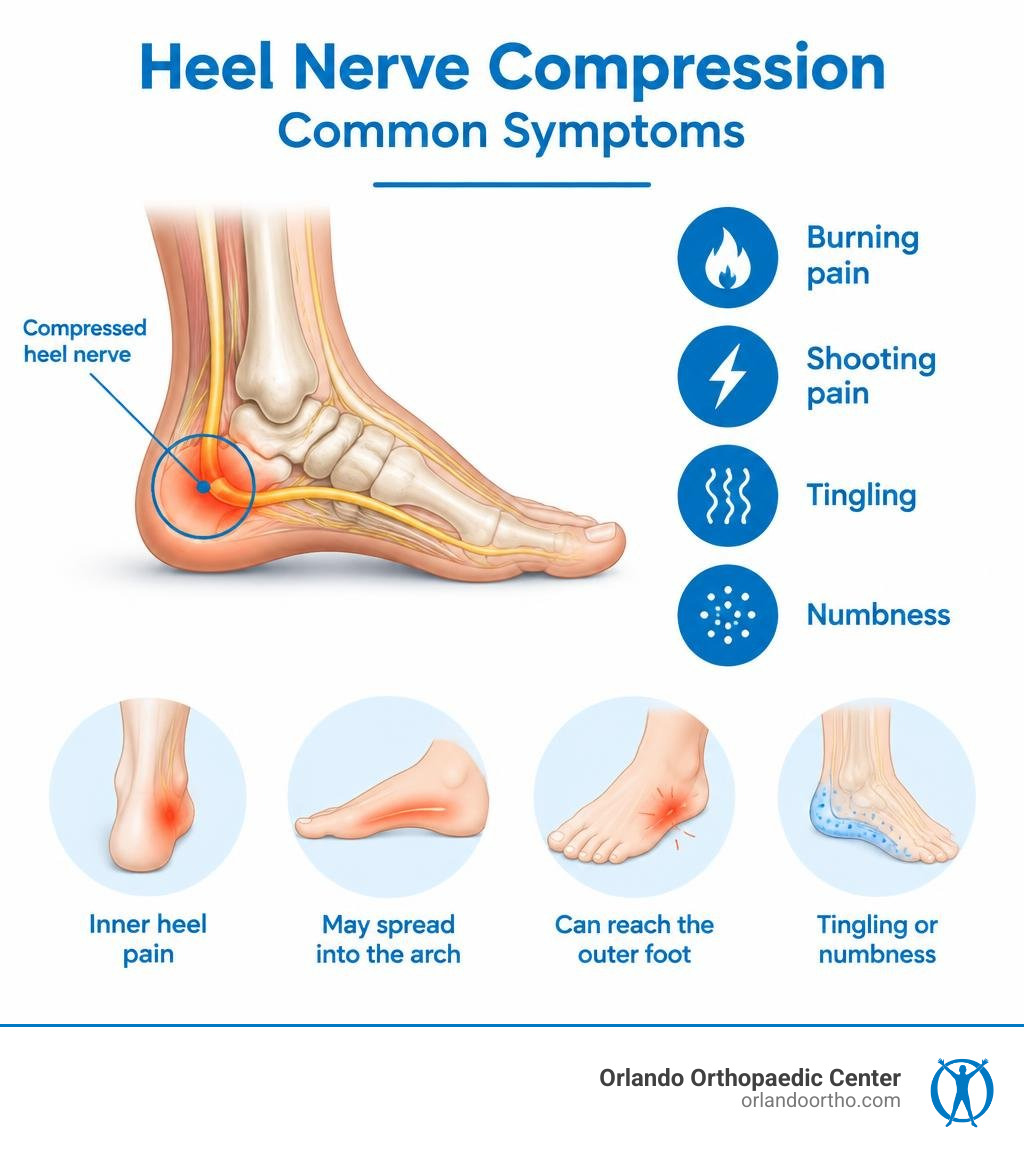
One in Five Chronic Heel Pain Cases Traced to Baxter’s Nerve
As many as one in five chronic heel pain cases trace to a pinched nerve known as Baxter’s...