
“You’re at an inflection point,” said Sukesh Aghara, director of the Nuclear and Chemical Engineering program at the University of Massachusetts Lowell, describing the convergence of rising global energy demand, decarbonization goals, and next-generation reactor development.
Massachusetts Governor Maura Healey’s administration partnered with UMass Lowell last fall to study the case for nuclear energy, an initiative Aghara is directing, The Boston Globe reported. The roadmap is exploring potential policies, collaborations, and workforce development programs, with conclusions expected next year.
Meanwhile, many environmentalists have changed camps, now considering the problems associated with climate change as more pressing.
The nuclear energy industry has built an impressive safety record over the past 40 years. More rigorous protocols and improved reactor designs have further lowered the risks, according to the Globe.
Researchers at MIT concluded a few years ago that replacing the nation’s 92 nuclear reactors then operating with coal, gas, and oil would result in more than 5,000 pollution-related deaths per year. When factoring in death rates due to accidents and pollution, only solar comes out safer than nuclear.
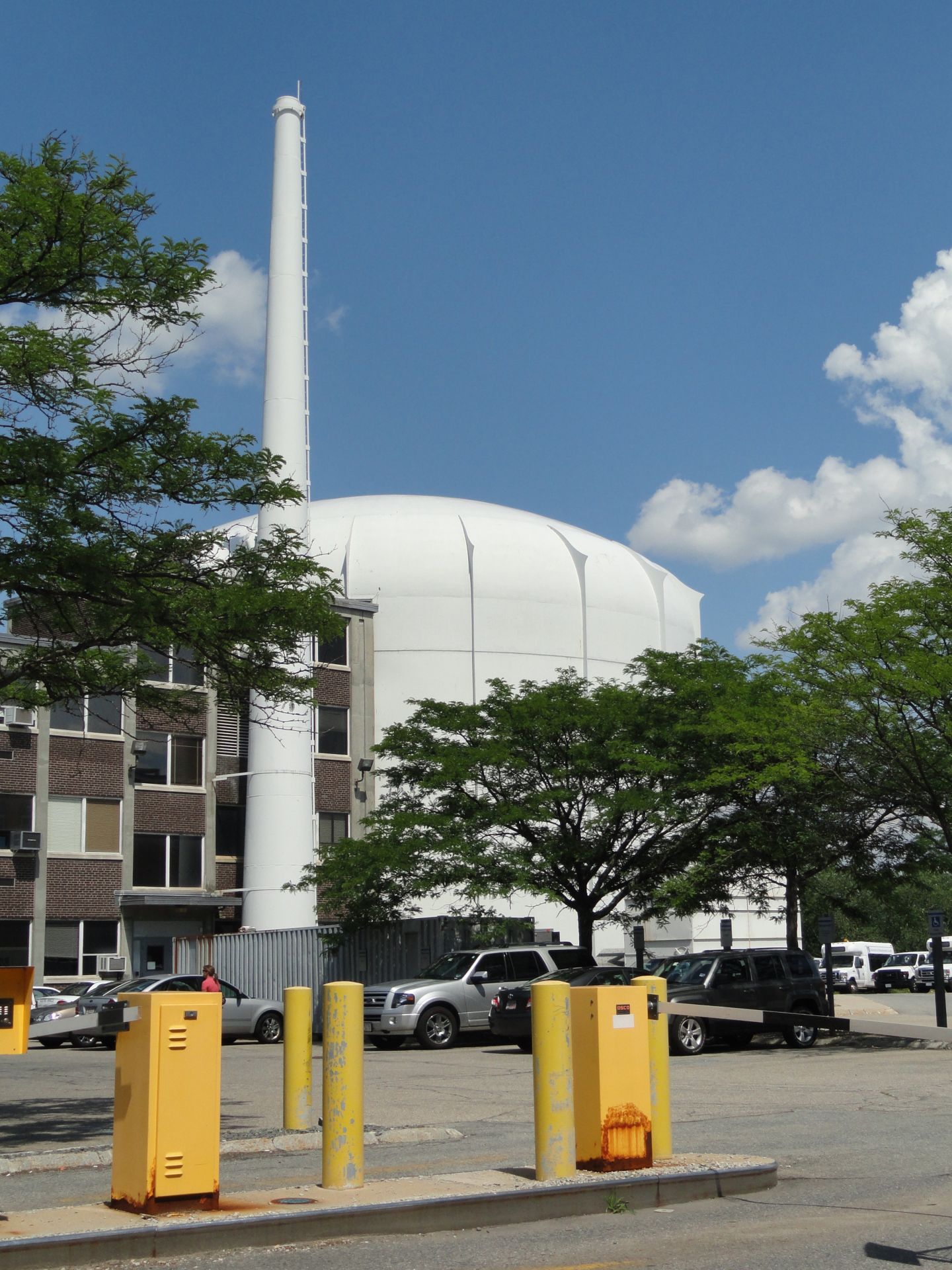
Debates continue over what to do with the old structure and the waste produced there. One idea floated for years: use Pilgrim to house several next-generation small modular reactors.
Community buy-in would be required, as it would for any community approached with the prospect of housing a new nuclear power plant.
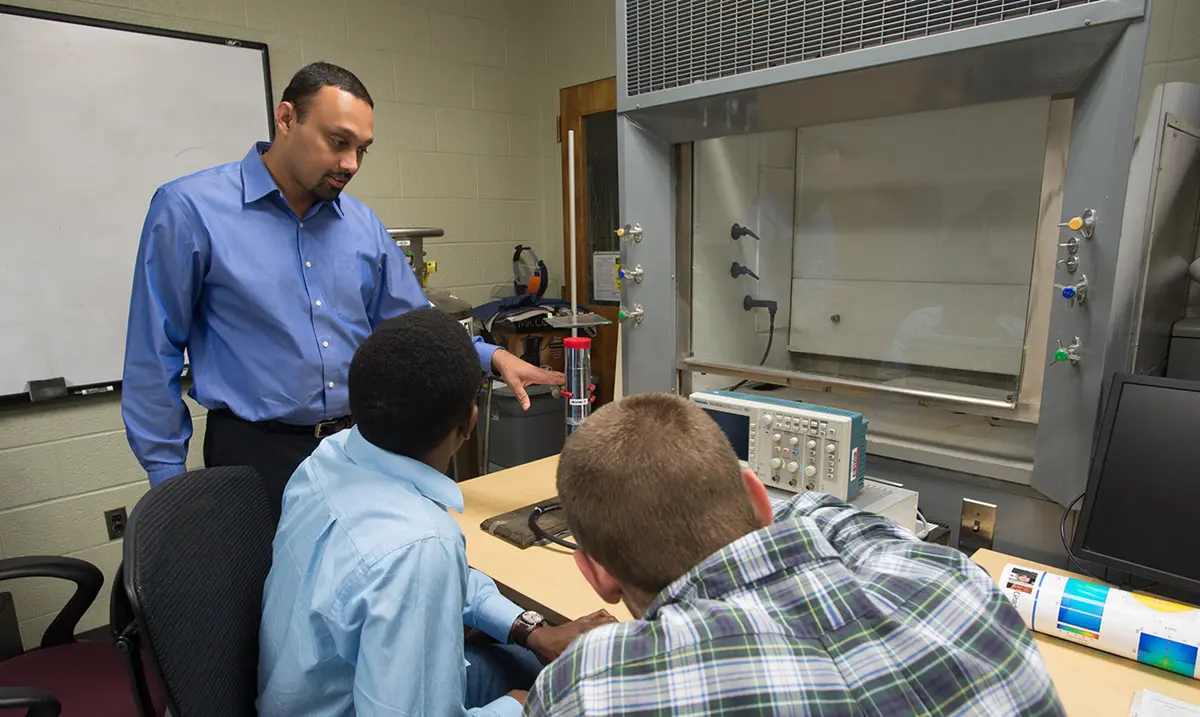
The other big question mark is cost. Given that, Agosta said he would first push for more solar panels with battery storage. “It’s just so easy.”
Energy experts also consider power density. New England’s two operating nuclear plants occupy about 1,400 acres combined, said Armond Cohen, executive director of the Clean Air Task Force. That’s like two times Boston in terms of land area. If you did it with wind, you’d be like 20 Bostons.”
The University of Massachusetts Lowell, classified as an R1 doctoral university with very high research spending and doctorate production, operates as the northernmost member of the UMass public university system with 1,110 faculty members and over 18,000 students. Its Francis College of Engineering currently offers one of the few accredited undergraduate nuclear engineering degrees available at a public university in the United States, a program directed by Sukesh Aghara.
The key for nuclear is economies of scale, constructing a bunch of reactors with a similar design.
Keep reading

CNN: S&P 500 Sheds $5.6 Trillion; Ulin Warns AI Concentration Risk in 401(k)s
The S&P 500 shed $5.6 trillion in market value this week and closed more than 10% below its...
Trinity University (Texas) Beats Washington University 1-0 on Hoover Goal
Washington University women’s soccer fell to Trinity University (Texas) 1-0 on Saturday in a match that produced no...
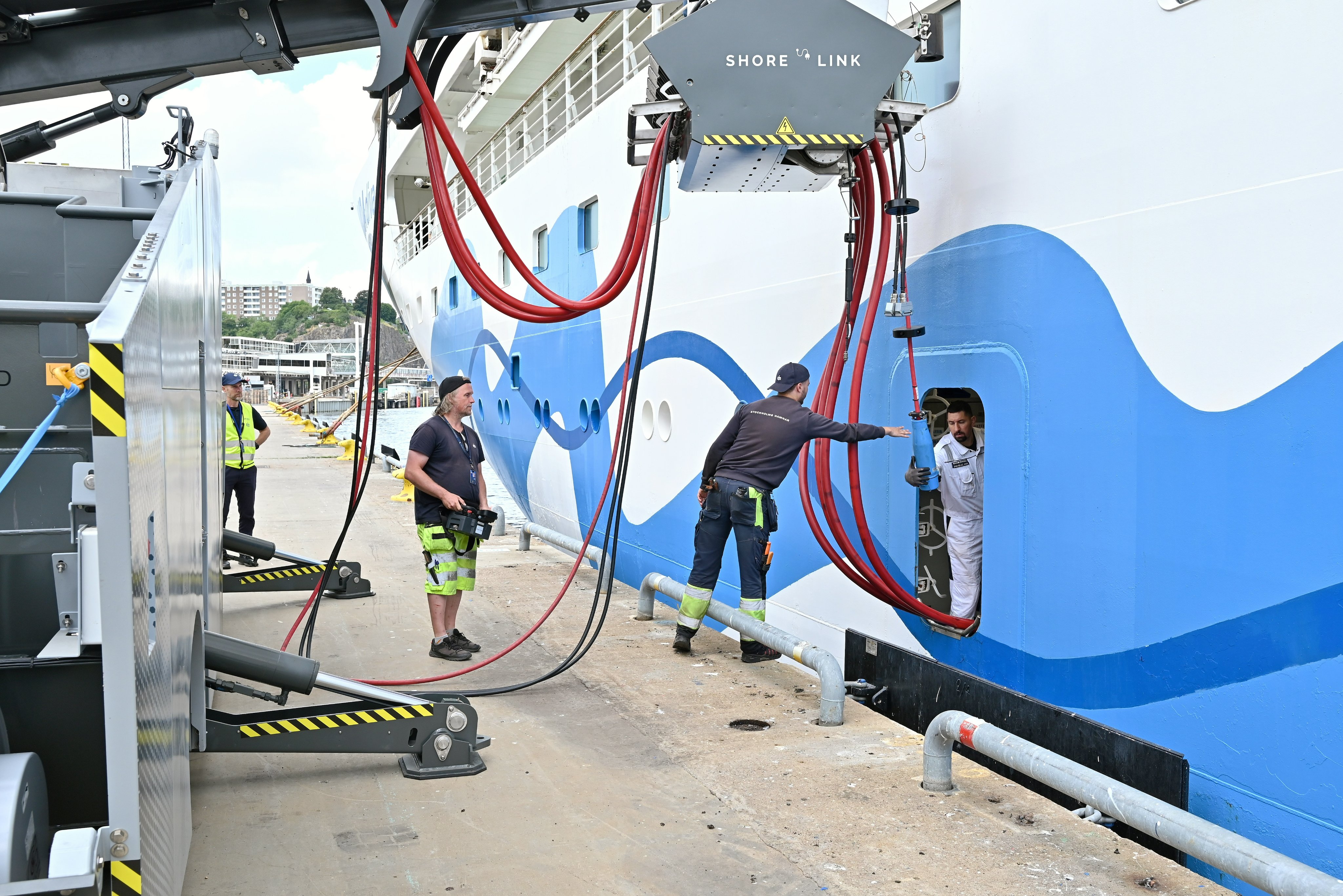
Cruise Lines Adopt Shore Power for EU 2030 Port Mandates; Ports Expand Infrastructure
Cruise lines are accelerating shore power adoption to meet European mandates requiring major ports to offer the technology...
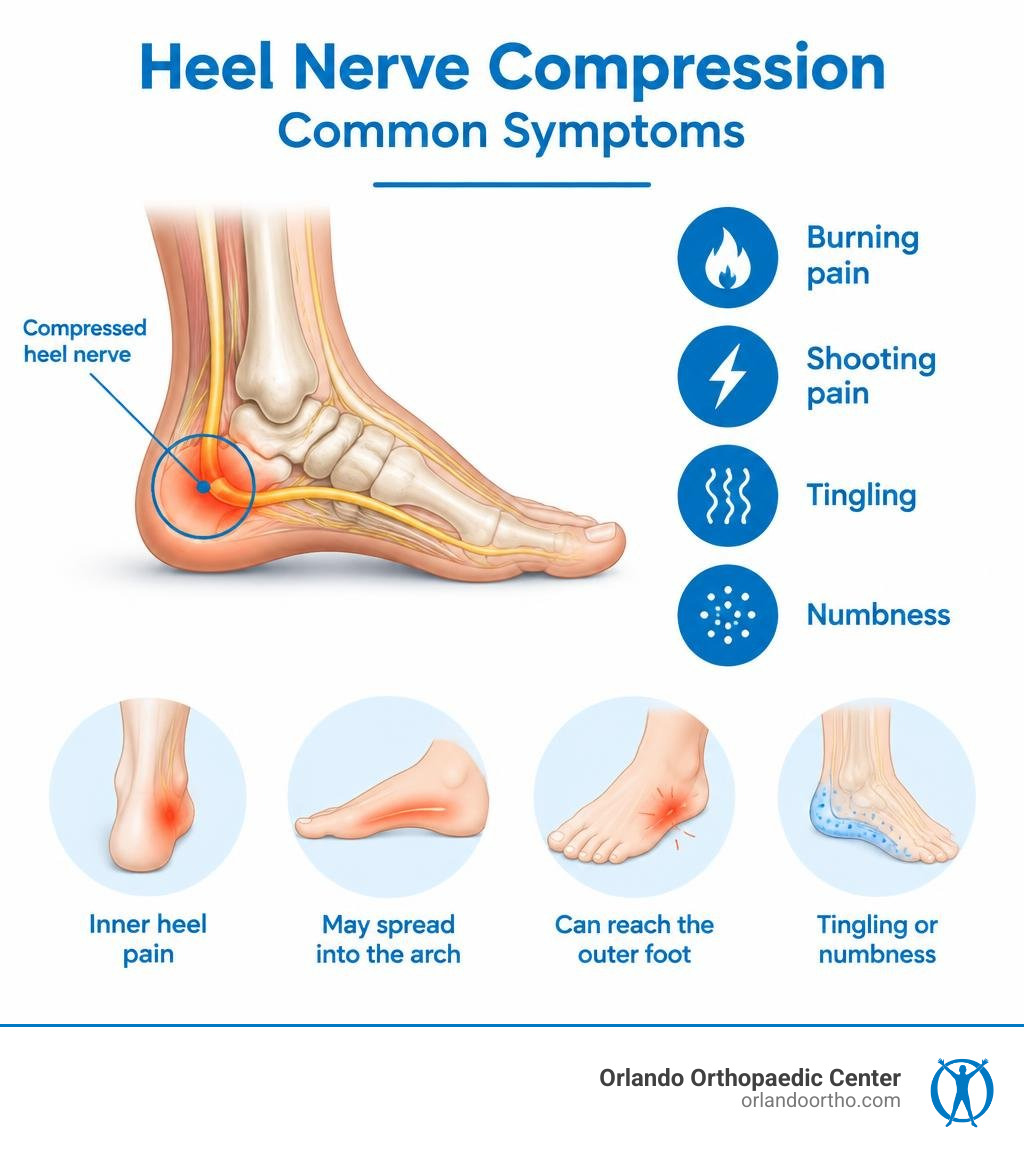
One in Five Chronic Heel Pain Cases Traced to Baxter’s Nerve
As many as one in five chronic heel pain cases trace to a pinched nerve known as Baxter’s...