“Every vaccination matters,” Katie Towns, director of the Springfield-Greene County Health Department, said in a community announcement after the United States lost its measles elimination status.
The change, confirmed by health officials this week, ends more than 25 years of elimination status that the country achieved in 2000. Sustained transmission across the nation drove the reversal, a development Towns called a disappointing setback for public health because the tools to prevent the disease already exist.
As of Nov. 12, 5,412 confirmed measles cases had been reported nationwide, with nine of those in southwest Missouri. Eleven percent of cases required hospitalization and ten deaths had been reported; 96 percent of cases involved people who had not received the MMR vaccine or whose vaccination status was unknown.
Adults born between 1957 and 1989 may need an additional MMR dose because the two-dose series was not standard practice during their childhood, the Health Department said. Children should generally receive their first dose at 12 to 15 months and a second at ages 4 to 6, while infants 6 to 11 months can get an early dose if traveling internationally or to an outbreak area.
The two-dose series is 97 percent effective and typically provides lifetime protection, according to the announcement. Missouri residents can check their vaccination records through Docket, and anyone eligible who is not fully vaccinated should contact a health care provider, pharmacy, or the Health Department.

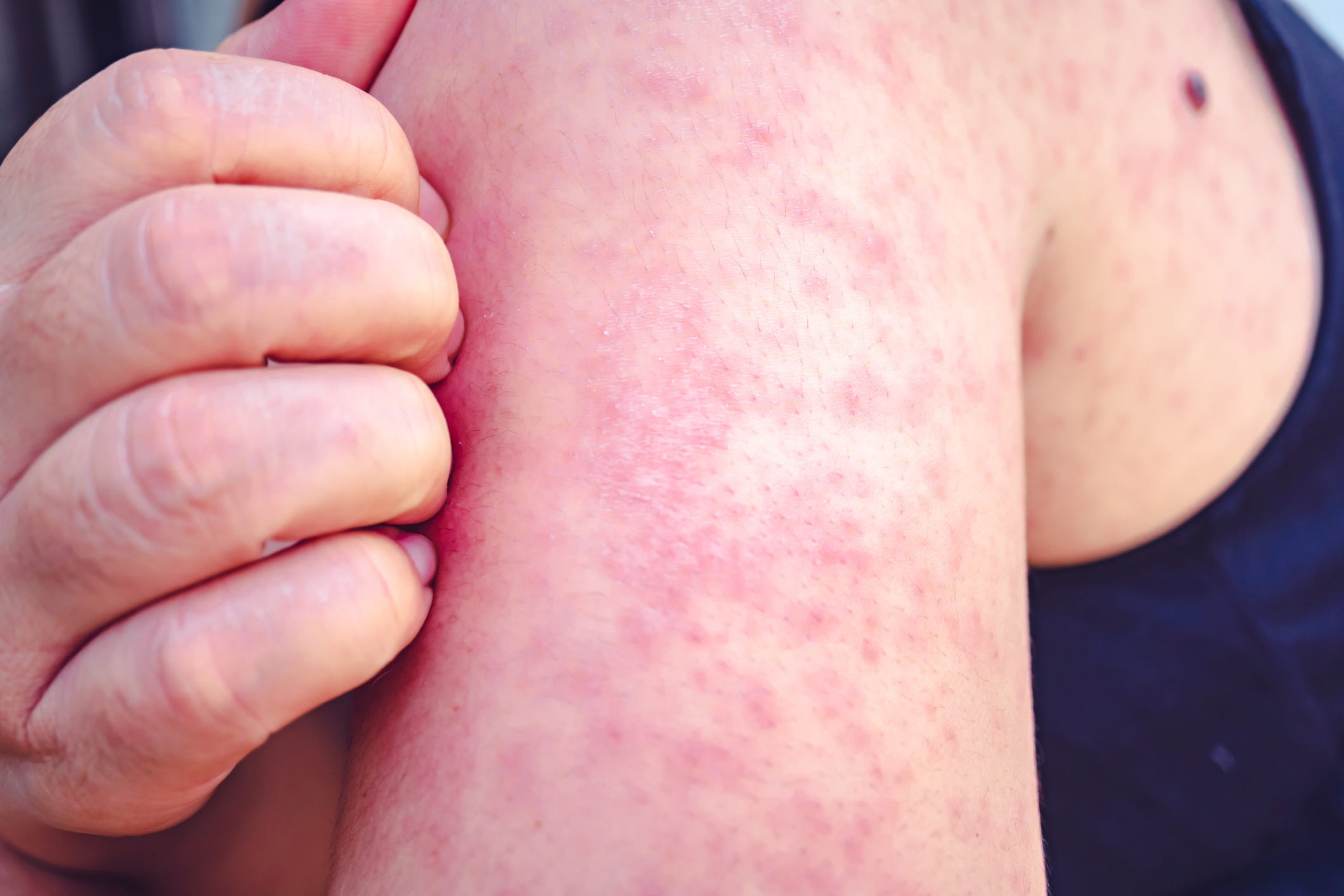
Measles spreads easily among unvaccinated groups. Early symptoms include high fever, cough, runny nose, and red eyes. Tiny white Koplik spots can appear inside the mouth two to three days after symptoms begin, followed by a rash that typically starts on the face and hairline three to five days in. Anyone who suspects they have measles should call a provider before going to a clinic to avoid exposing others.
“Measles is not a disease we have to accept as part of everyday life,” Towns said in the announcement.
The Health Department’s push comes as the region absorbs its share of a national surge that has already claimed lives and strained hospital capacity.
The United States has lost its measles elimination status, the Pan American Health Organization formally announced on Tuesday. PAHO, a part of the World Health Organization, made the decision after reviewing evidence and determining that the measles virus has been continuously… pic.twitter.com/f1s6VHkRzz
Keep reading

FRA Releases Amtrak South Side Facility Review, Opens Comment Period
Seven thousand residents live within 500 feet of the proposed Amtrak maintenance facility on Chicago's South Side, and...

Spotlight Delaware Highlights 5 Weekend Events Nov. 20–22, 2026 Across Three Counties
Spotlight Delaware highlights five events across the state for the weekend of Nov. 20–22, 2026, ranging from a...

The Scout Guide Charleston Volume 12 Launches at 40+ Lowcountry Locations
The Scout Guide Charleston released Volume 12 this week, dropping complimentary copies at more than 40 independent businesses...

Sirianni Stands Pat: Mannion Keeps Play Sheet, Milton Keeps Huddle vs Steelers
Nick Sirianni emerged from the bye week with a decision that defines where the Philadelphia Eagles stand: Sean...