
Helena Foulkes Takes Rhode Island Governor’s Office as David Morales Makes History in Providence
Rhode Island voters reshaped state politics on Tuesday, November 3, 2026, electing Democrat Helena Buonanno Foulkes as governor and propelling 28-year-old David Morales into the historic role of Providence's youngest mayor. The Associated Press called the gubernatorial race at roughly 8:35 p.m., concluding a fiercely contested election cycle that brought sweeping changes to executive leadership across the Ocean State.
Foulkes secured an overwhelming victory, defeating independent candidate Ken Block and Republican Aaron Guckian. Unofficial results showed Foulkes capturing 57% of the vote, followed by Block with 28% and Guckian with 13%. This general election triumph follows a bruising primary season in September, during which Foulkes trounced incumbent Governor Dan McKee—winning every single city and town in the state and sealing the first primary defeat for a sitting Rhode Island governor in 32 years.
From Corporate Executive to Statehouse Leadership
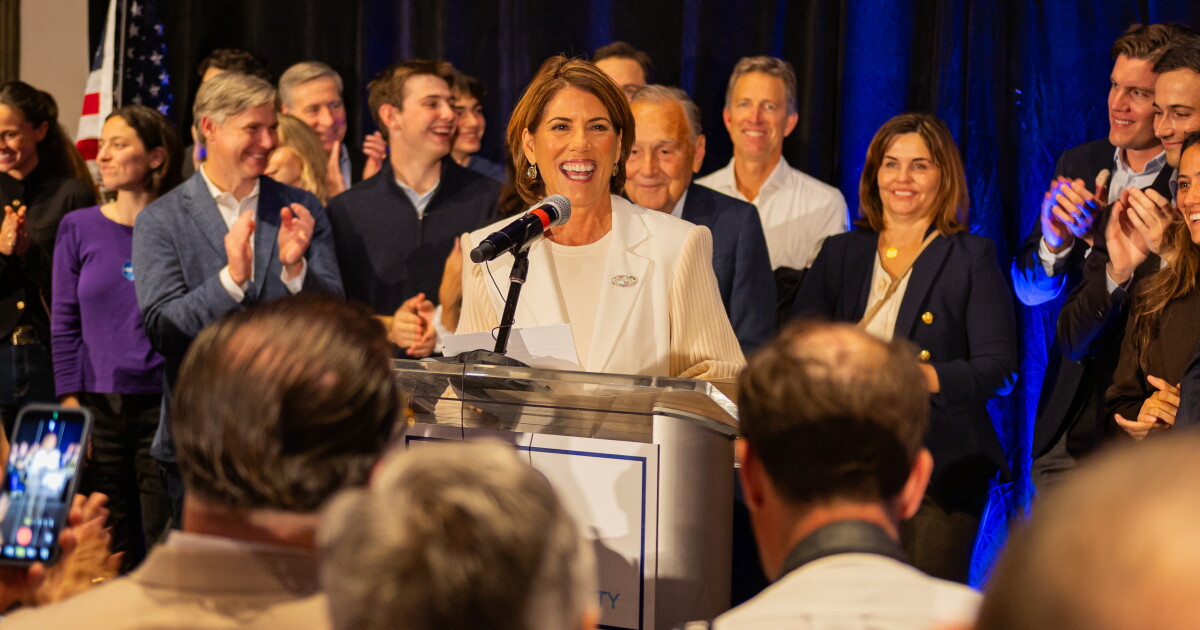
Stepping to the podium at the Graduate Hotel in downtown Providence on Tuesday night, Foulkes reflected on the mandate handed down by voters. Tonight, Rhode Island didn’t just pick a governor,
she told cheering supporters. You made a choice about what kind of state we want to be, and I am so honored and so humbled to have earned your trust.
Foulkes leaned heavily on her extensive corporate background throughout the campaign, frequently pointing to her tenure as the former president of CVS Pharmacy—a division of CVS Health where she managed an $80 billion enterprise and directed more than 200,000 employees. That same business resume, however, became a primary target for critics. Opponents seized on large legal settlements tied to opioid distributions during her corporate tenure. Foulkes countered those attacks by maintaining that she actively took steps to reduce the company’s involvement.
For independent candidate Ken Block, a tech entrepreneur making his third run for governor, the outcome marked another valiant effort that fell short. Speaking at a downtown Providence country music bar during his concession speech, Block addressed the stark financial disparity of the race. While the Foulkes campaign poured more than $6 million into television ads and heavily relied on backing from powerful labor organizations like the Laborers’ International Union, Block ran on a much leaner budget of roughly $400,000. Good ideas should get a fair hearing even when they don’t come with a multi-million dollar advertising budget,
Block told his supporters.
A Left-Wing Shift in Providence and Down-Ballot Stability
While the governor’s mansion shifted leadership, the capital city experienced an even sharper political pivot. David Morales sailed to victory over Dave Talan to become the next mayor of Providence. Morales, a democratic socialist who stunned incumbent Brett Smiley in the September Democratic primary by 5 percentage points, will take office as the youngest mayor in the city’s history. National media analysts have drawn parallels between Morales and New York City’s Zohran Mamdani, noting the high enthusiasm among younger voters that powered his campaign.
Morales’s rise introduces a distinct left-wing agenda to City Hall, bringing both high hopes for reform and notable anxiety among moderate business sectors. Among his stated priorities, Morales ran on a platform to enact rent caps in the city—a policy expected to face quick introduction by City Council leadership in January. He also backed Question 7, a controversial ballot measure aimed at divesting municipal funds from Israel and associated companies, and pledged not to renew the city’s contract for automated Flock license plate reading cameras when it expires in May 2027.
Meanwhile, other statewide contests largely maintained the political status quo. Democrat Kim Ahern defeated Republican Alan Gordon in the race for attorney general, succeeding the term-limited Peter Neronha. Ahern, 42, previously served as McKee’s deputy chief of staff and as deputy counsel for former governor Gina M. Raimondo, making history as the first openly LGBTQ+ person to hold statewide office in Rhode Island.
In the lieutenant governor’s race, Democratic incumbent Sabina Matos fended off a strong challenge from Republican military veteran and talk-radio host John Loughlin. Matos’s victory caps an impressive political rebound following a difficult primary season and her challenging run for Congress in 2023. Incumbent Democratic General Treasurer James A. Diossa defeated Republican Micholas Credle, and Secretary of State Gregg M. Amore won reelection unopposed. Rhode Island’s entire federal congressional delegation—including U.S. Representatives Seth Magaziner and Gabe Amo, alongside U.S. Senator Jack Reed—successfully defended their seats against challengers.
New México writers connect culture and history through literature
Roots in Oral Tradition and Landmark Texts New Mexico’s literary history stretches back generations through oral traditions, and...

Long, Hammerseng, Lincoln and Bailey Elected to Robbinsdale School Board
Caroline Long, Kath Hammerseng, Anthony Lincoln, and Madalyn Bailey secured the top four seats on the Robbinsdale Area...

Nevada election results delayed as long lines persist at polls
Nevada Polls Close as Late-Day Lines Hold Up Tabulation Across Counties Voters remained lined up at polling locations...

Volunteers Restore Historic Road of Remembrance Memorial in Boardman
Thirty-Nine Stones From Lexington and Concord Thirty-nine rocks, hand-picked in 1931 from within 500 feet of Revolutionary War...