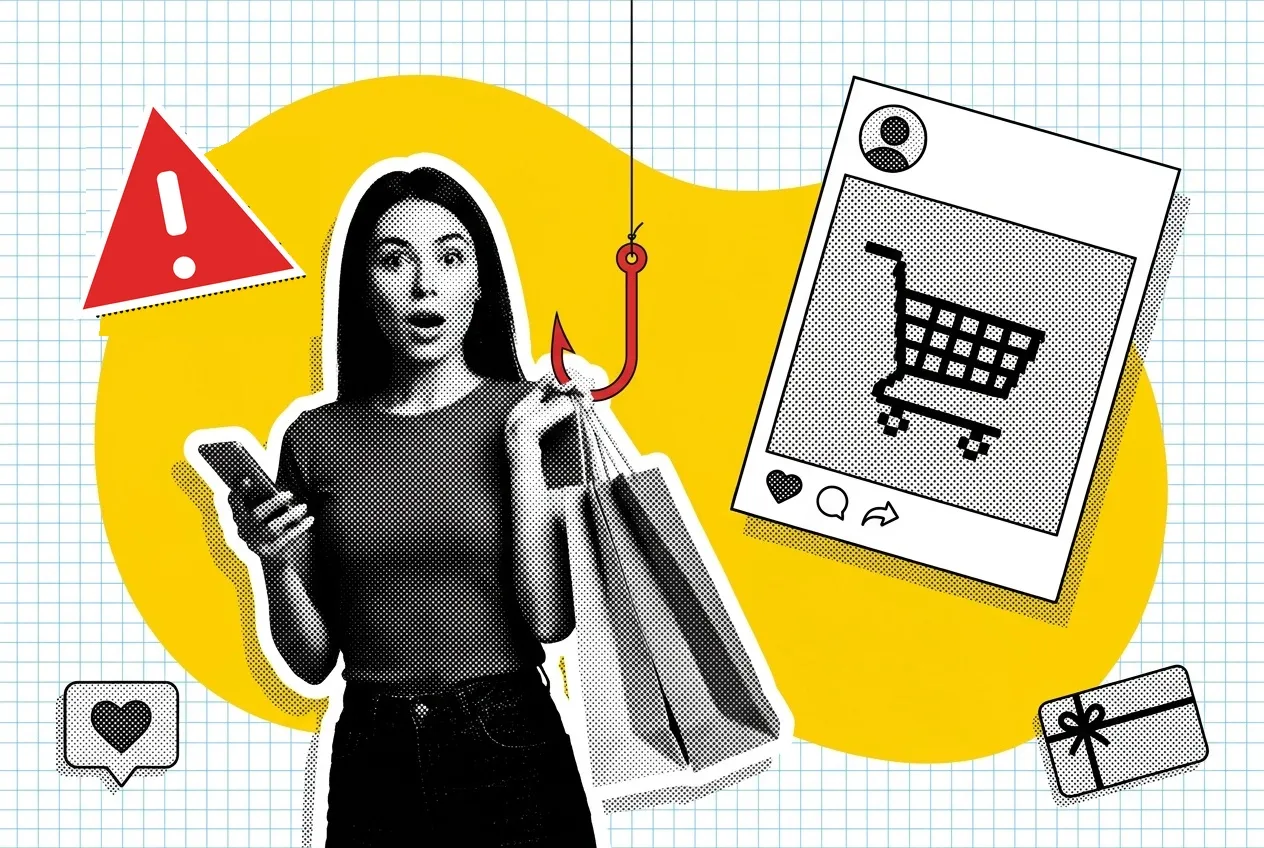
Holiday shopping scams are surging as consumers hunt for deals, with fraudsters using AI-generated storefronts, fake delivery texts, and social-media ads to steal money and personal data. The FTC says shoppers lost $15.9 billion to fraud in 2025, and porch pirates took an estimated 228 million packages worth $12.8 billion.
Black Friday falls on Nov. 27 this year, and retailers aren’t the only ones preparing. Scammers are building polished fake websites that mimic known brands, sending phishing texts that pretend to be from FedEx or UPS, and flooding social feeds with sponsored posts for products that don’t exist. The tactics aren’t new, but the tools have sharpened.
AI Erases Old Warning Signs
RBC’s senior vice-president of credit and fraud management, Amit Sadhu, told Global News that generative AI now produces storefronts, ads, and reviews without the typos or awkward phrasing that once tipped shoppers off. In an RBC poll, 72 per cent of Canadians said AI makes it nearly impossible to tell what’s real from what’s fake online.
“So what we have seen is that AI is erasing the old warning signs,” Sadhu said. More than half of Canadians surveyed said they regularly see fake retailers on social media, yet many still buy from unfamiliar brands without checking first.
Entrust’s senior fraud specialist manager, Simon Horswell, said: “In the case of some of the scams we see around this time of year, it’s more likely to coax you out of your money or your banking details.” Entrust’s annual fraud report found social engineering attempts rose 520 percent in 2026, the fastest-growing attack method in the report.
Fake Stores and Paid Search Ads
The FTC warns that scammers buy paid search ads that appear at the top of results, right beside legitimate retailers. The agency advises scrolling past the sponsored links to the organic results, which are ranked by relevance rather than ad spend. Before buying, search the seller’s name with the words “complaint” or “scam” and type the known web address directly into your browser.
Mass.gov’s consumer affairs office echoes that consumers reported losing $15.9 billion to fraud in 2025, much of it through fake online stores and social media ads offering popular brands at implausible discounts. The office recommends checking for a physical address, phone number, and clear return policy before ordering.
Delivery Texts Steal Credentials
Fake package notifications are the most reported type of text scam, according to the FTC.
The messages claim a delivery issue and include a link to a look-alike site that asks for personal information or a small “redelivery fee.” Mass.gov says to avoid clicking the link; instead, go to the carrier’s website or app and enter the tracking number manually. Suspicious texts can be forwarded to 7726 (SPAM) and reported at ReportFraud.ftc.gov.
USA Today notes that scammers are also exploiting recent tech outages at Microsoft, Apple, and some banks.
Thomas Hyslip, associate professor of cybercrime at the University of South Florida, said: “They’re using the news to their advantage to try to make sound like it’s urgent or to add some legitimacy.” Fraudsters send phishing messages asking users to reset passwords, spoofing calls or emails to appear as if they come from an airline or bank.

Porch Piracy and Payment Traps
The FBI estimates porch pirates stole roughly 228 million packages in 2025, costing consumers and businesses about $12.8 billion. Mass.gov recommends using tracking alerts, leaving delivery instructions to keep packages out of sight, and shipping to a workplace or secure locker when possible. If a package is stolen, contact the seller or carrier and file a police report.
On payment, the Washington Post reports that credit cards remain the safest option for online purchases. Person-to-person services like Zelle and Venmo lack the same purchase protections, and scammers pressure shoppers to move transactions outside a marketplace’s protected system.
“Financial institutions will never ask for CVVs or card expiration dates, inquire about personal information, ask to hide the purpose of the transaction or pressure the person to act quickly,” the Post’s source said.
Gift Card Payment Requests Signal Scams
A request to pay with gift cards is always a red flag — legitimate businesses don’t operate that way. Mass.gov advises checking gift cards for scratched PINs or damaged packaging before buying and keeping the receipt.

For donations, research the charity first and never give via gift card, wire transfer, or cryptocurrency. Seasonal job scams often involve a fake check the victim is asked to deposit and then partially return before starting work.
AARP’s Fraud Watch Network runs a free helpline at 877-908-3360 for anyone who suspects a scam. The organization lists online shopping scams, delivery scams, and gift card scams as the top three threats this season.
If You’ve Been Scammed
Act fast. Contact your bank or credit card company to dispute charges. Report the fraud to the FTC at ReportFraud.ftc.gov and, if it involves internet crime, to the FBI’s Internet Crime Complaint Center at IC3.gov.
Change any compromised passwords immediately, turn on two-factor authentication, and consider freezing your credit with all three bureaus — it’s free and prevents new accounts from being opened in your name. As the Washington Post’s source put it: “Money recovery depends on the payment method and circumstances, so it’s not guaranteed. But feeling embarrassed shouldn’t delay the call. Our job is to help you, not judge you.”
Chase’s Nicole Sanchez offered a simple rule: “Even taking 10 minutes” to check a retailer’s official website or app “can make a big difference in terms of falling for a scam.” The Identity Theft Resource Center’s Eva Velasquez adds: “Check your bank statements and your accounts, check your credit card accounts. Don’t just wait until the holidays are over because you’re afraid of how much you legitimately spent.”
Keep reading

Deborah Ann Woll Reprises Faye Role for Prime Video’s ‘God of War’ Series
Amazon’s “God of War” series has added Deborah Ann Woll as Faye, the late wife of Kratos and...

Steven Spielberg to Direct First Western With Jessie Buckley, Cillian Murphy and Paul Thomas Anderson
Steven Spielberg has found his western. The three-time Oscar winner will direct an untitled adaptation of Kevin Barry's...

The Great House Revival Airs Final Episodes Completing Hugh Wallace’s Last Series
The final two episodes of The Great House Revival will air on Sunday, 29 November, and 6 December...

The Odyssey Leads Critics Choice Awards Below-the-Line Shortlists With 11 Mentions; Dune: Part Two and La Bola Negra Follow With Eight
Universal's "The Odyssey" tops the 32nd Critics Choice Awards below-the-line shortlists with 11 mentions, the most of any...