
The Honolulu City Council votes Thursday on a resolution urging the federal government to hand back portions of the roughly 1,500-acre Bellows Air Force Station to the state of Hawaii — land the council argues has not served its original military purpose in nearly seven decades, Stars and Stripes reported. The five-member zoning committee voted unanimously last month to advance the resolution to the full nine-member council, where it will likely pass because committee members make up the majority. The council governs the entire island of Oahu.
Runways silent since 1958; beach cabins now fill the acreage
The resolution leans on a single, striking fact: the beachside air station’s last runways closed in 1958. What remains, the council maintains, is used primarily for “morale, welfare and recreation” — beachside cabins rented to service members, veterans and Defense Department employees.
That mismatch, the resolution argues, should trigger a federal review to determine whether the land is surplus. The century-old presidential executive order that set the property aside was “specifically for military training and readiness.”
The Honolulu City Council will consider a resolution Thursday urging the federal government to return portions of Bellows Air Force Station on Oahu to the state of Hawaii that are no longer used for military training.https://t.co/TmXvKvbdhr
From crown lands to a 1,510-acre military reservation
The resolution traces the property back to the Hawaiian Kingdom, when the acreage was designated crown lands under the monarchy. The monarchy was overthrown in 1893. The United States annexed the Republic of Hawaii five years later. In 1917, President Woodrow Wilson signed an executive order creating the 1,510-acre Waimanalo Military Reservation, renamed Bellows Field in 1933.
A 2021 Hawaii Military Land Use Master Plan found that only 409 acres were used by Bellows, while 1,072 acres were used by the Marine Corps as a training area, according to the resolution. The resolution does not specify how much land should be returned.
The council also cites a 1963 federal law requiring the return of surplus federal land to the state of Hawaii, and the 1993 Apology Resolution signed by President Bill Clinton, which acknowledged the U.S. government’s role in illegally overthrowing the Kingdom of Hawaii and noted the land was ceded “without the consent or the compensation to the Native Hawaiian people.” The resolution calls for any return of acreage to happen in consultation with the Native Hawaiian community, residents of Waimanalo on Oahu’s east side, and the state Department of Hawaiian Home Lands.
“Key installation for national defense,” Air Force says; decision rests in Washington
“The Air Force acknowledges the recent resolution regarding Bellows Air Force Station and deeply respects the historical, cultural, and environmental concerns raised by the community,” Pacific Air Forces said in a statement. “Bellows Air Force Station operates as a key installation for national defense, joint force readiness, and military family resiliency. We remain steadfast in our commitment to working collaboratively with the State of Hawaiʻi, Native Hawaiian Organizations (NHOs), and our neighbors in the Waimānalo community.”
The station sits about 7 miles south of Marine Corps Base Hawaii. Whether any Bellows land could be turned over to the state would be determined by the Office of the Secretary of the Air Force. Noelani Kalipi, a senior adviser with the Hawaii Coordination Cell in the Office of the Assistant Secretary of Defense for Energy, Installations and Environment, informed the zoning commission during its Oct. 22 meeting that she coordinates with all military departments on land use in Hawaii and looks for “collaborative pathways forward.”
Prime shoreline on an island where housing costs rank among the nation’s highest
Public pressure has grown in recent years for the U.S. military to shrink its footprint in Hawaii, particularly on Oahu, which also hosts Joint Base Pearl Harbor-Hickam and the Army’s Schofield Barracks among other installations. For Waimanalo residents and Native Hawaiian advocates, the 1,500 acres represent both a cultural claim rooted in the pre-overthrow crown lands and a practical question about who controls prime shoreline on an island where land is scarce and housing costs are among the nation’s highest.
Thursday’s vote is unlikely to move land by itself — the actual determination rests with federal officials in Washington — but it puts the city’s nine-member council on record demanding a formal surplus review of property whose runways have been silent since the Eisenhower administration.

Elder Patrick Kearon Dedicates Wichita Kansas Temple
Elder Patrick Kearon of the Quorum of the Twelve Apostles dedicated the Wichita Kansas Temple on Sunday, November...
OIG Audit Finds Iowa Failed Child Abuse Assessment Requirements
Thirty-five of 100 sampled reports of child abuse or neglect in Iowa failed to meet federal assessment requirements,...
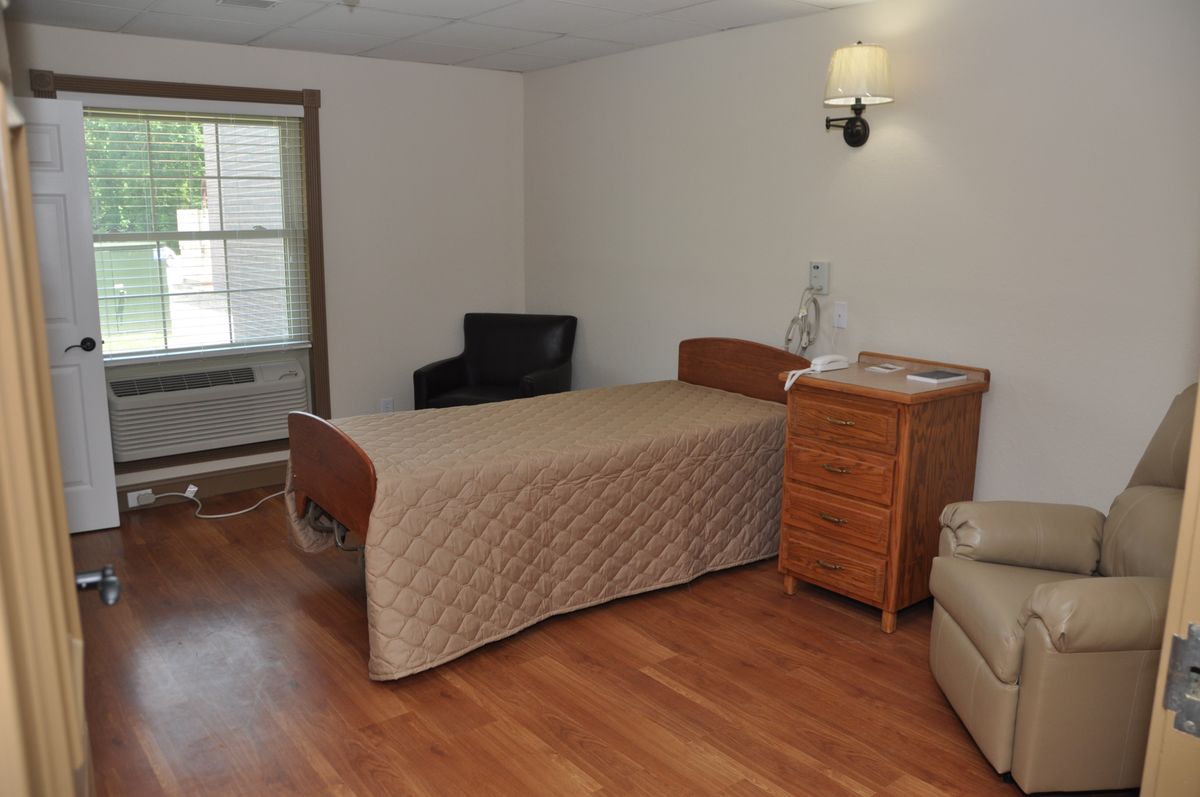
Maranatha Village Offers Comprehensive Senior Living in Springfield
For families weighing senior living options in southwest Missouri, the decision often comes down to a single question:...

How to Watch Indiana Fever basketball on Prime Video
To find Indiana Fever basketball on Prime Video, go to the Sports section, which appears in the top...