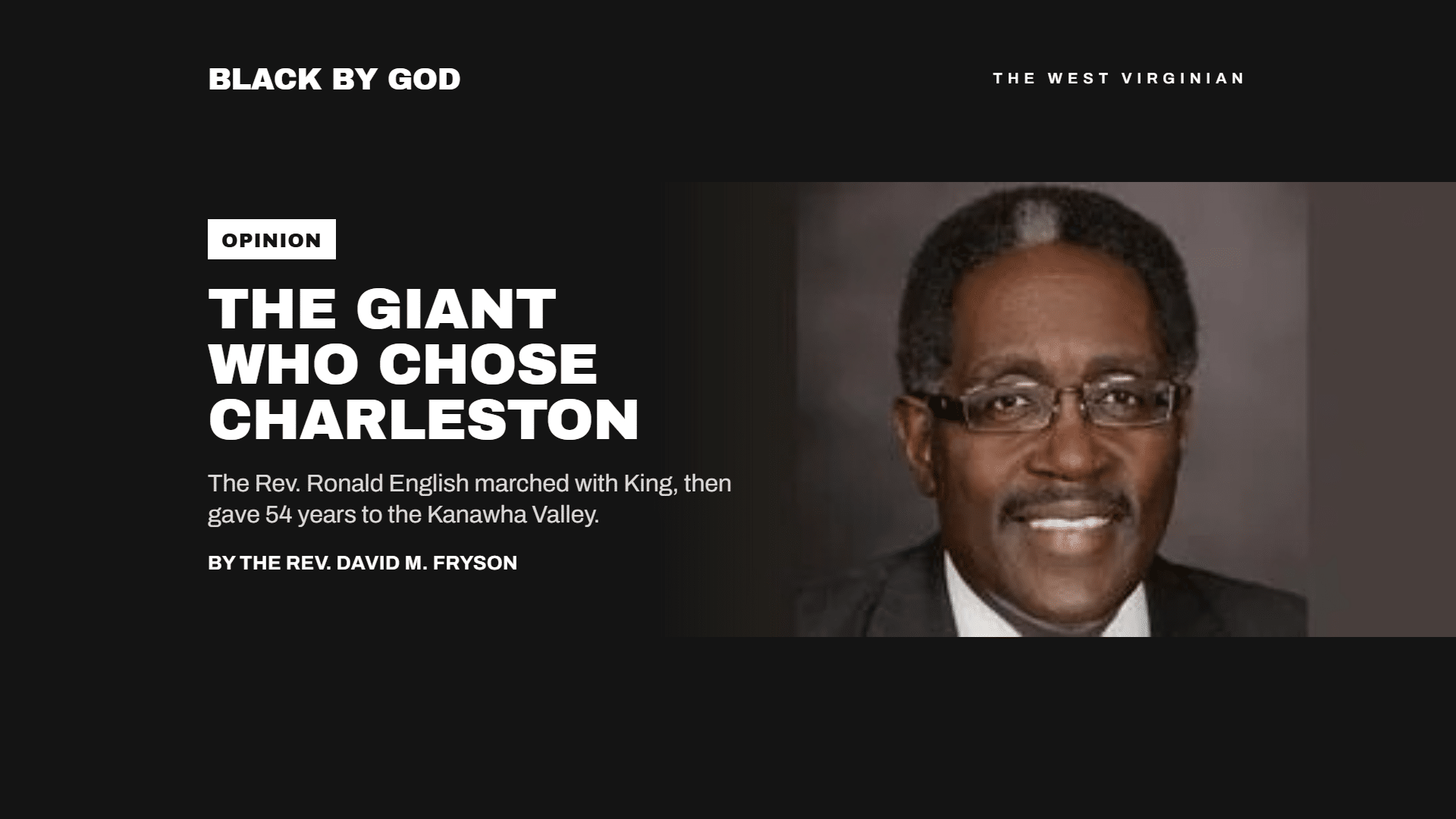
The Legacy of the Rev. Ronald English and the Search for Local Greatness
In an opinion piece for Black By God, the Rev. David M. Fryson argues that American culture often fails to recognize the transformative power of “quiet giants“—individuals whose greatness is defined by steady, local service rather than national fame. Writing about the recent death of the Rev. Ronald English at age 82, Fryson contends that while society tends to obsess over distant icons and viral figures, the true bedrock of community strength often lies in the neighbors walking right beside us.
The MAGA Mall’s President Ronald Solomon presented Civil Rights Attorney Leo 2.0 Terrell and Conservative Journalist David Webb with his company’s custom-made Club 47 USA caps at the Club 47 USA meeting in West Palm Beach last night. Present where Club 47 USA President Larry… pic.twitter.com/nh7r5CNOC4
The loss of English represents more than the passing of a local religious leader; it marks the departure of a living link to the most significant moments of the American Civil Rights Movement. According to Fryson, English possessed a pedigree that could have easily catapulted him to a permanent place in the national spotlight. Raised in the historic Ebenezer Baptist Church in Atlanta, English grew up in close proximity to the King family and graduated from Morehouse College. His connection to the movement was not merely academic; he served as a trusted young ministerial assistant to both Martin Luther King Jr. and Martin Luther King Sr., and he delivered the final prayer at the funeral of Dr. King in 1968.
Despite these credentials, English chose a path of proximity over prominence. In 1972, he moved to West Virginia to pastor Charleston’s First Baptist Church, a role he held for 54 years. As reported by wvgazettemail.com, Fryson notes that Martin Luther King Sr. had reportedly hoped his son would consider serving in West Virginia as a means of escaping the acute dangers faced by Civil Rights leaders in the South.
A Lifetime of Service in the Kanawha Valley
English’s tenure in Charleston was defined by his willingness to step into local friction rather than retreating from it. He arrived in the city during a tense period marked by a garbage workers’ strike and remained a steady presence during the 1974 Kanawha County textbook controversy. During that era, as the controversy threatened to divide the community along racial and cultural lines, Fryson writes that English did not fuel division; instead, he acted as a listener and a defender of the rights of Black writers to be heard.
His impact was both structural and personal. The Reverend was a charter member of the Religious Coalition for Community Renewal, which focused on building low-income housing in downtown Charleston, and he launched the city’s first Black Heritage Cultural Series. He also eventually led the Charleston NAACP, working alongside state leaders to navigate conversations regarding equity and unity during periods of national racial tension.
The human scale of his ministry is perhaps best illustrated by Fryson’s personal account of how English supported his family. After Fryson’s wife, Joy, survived a near-fatal brain aneurysm in her late teens, English provided more than spiritual guidance. He employed her as a secretary, helping her navigate the cognitive challenges and residual deficits that followed her surgery. This level of devotion highlights the “neighborhood-level” impact that Fryson argues is often overlooked by a culture looking for heroes on national stages.
“We live in a culture obsessed with distant icons… We wait until the giants leave us to finally look up and realize how tall they stood.”
While English’s influence was rooted in West Virginia, it eventually reached beyond state lines. Fryson recounts bringing English to speak at Quinnipiac University in Connecticut and SUNY Plattsburgh State University in New York. In both instances, students and faculty reportedly gravitated toward him as a living icon of the movement, proving that his local devotion carried a universal resonance.
Recognizing the Giants Among Us
The central tension in Fryson’s argument is the tragedy of how we define heroism. He suggests that by focusing exclusively on those who achieve national prominence—such as Booker T. Washington or Bishop TD Jakes—we risk ignoring the “quiet excellence” that sustains our immediate communities. The economic and social stability of places like Charleston relies heavily on the community organizers, pastors, teachers, and mentors who hold the social fabric together through decades of incremental work.
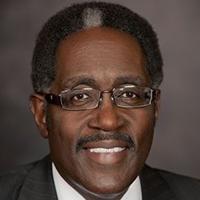
English often quoted a sentiment beloved by Dr. King: “When it is dark enough, you can see the stars.” For the residents of the Kanawha Valley, Fryson suggests that English was one of those stars, providing steady light through the local challenges of the 1970s and beyond. The call to action for the community is not merely to mourn a lost leader, but to shift the lens of inspiration toward the living history and the quiet giants who continue to serve in their own backyards.
Worth a look

Vehicle Crashes Into Lakewood Massage studio causing structural damage
A vehicle crashed into the Renew Massage Studio in the Denver metro area early Saturday morning, causing significant...
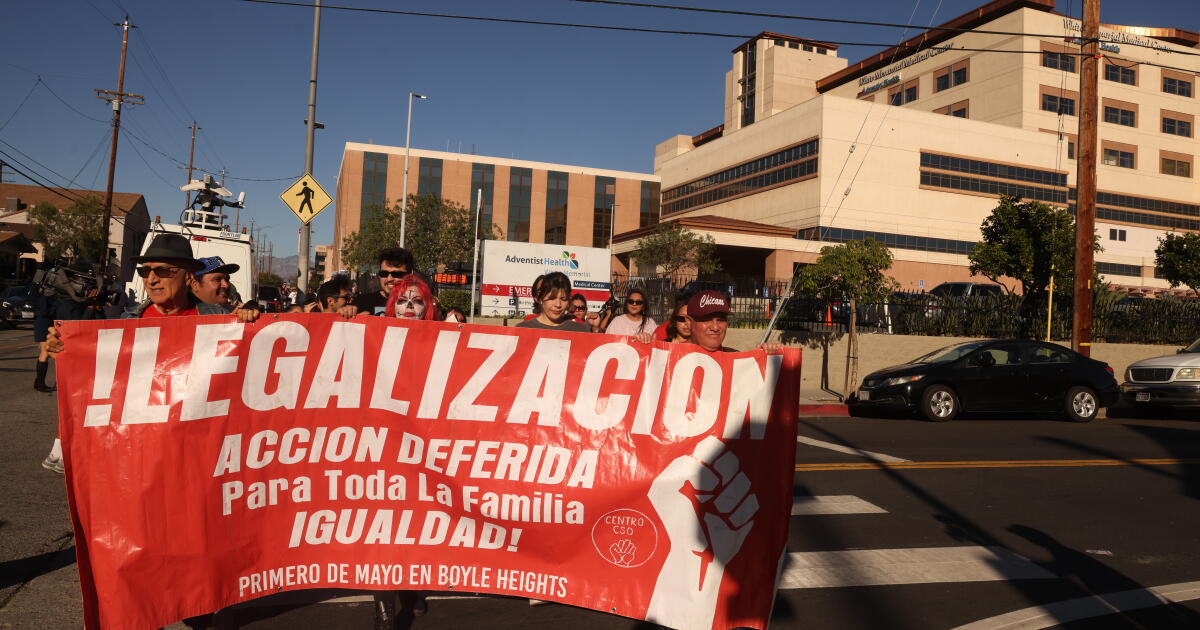
Two individuals were taken into custody by federal immigration officers late Friday evening during
Federal agents detain two people during protest at Boyle Heights hospital Two individuals were taken into custody by...

Priya Sundareshan Named Arizona Senate President as Democrats Secure Supermajority
Priya Sundareshan to lead Arizona Senate as Democrats secure supermajority Senator Priya Sundareshan of Tucson will serve as...

Arctic Climate Report October 2026: Record Warmth and High Precipitation
The Arctic ocean acted as a heating pad this October The Arctic is warming faster than almost any...