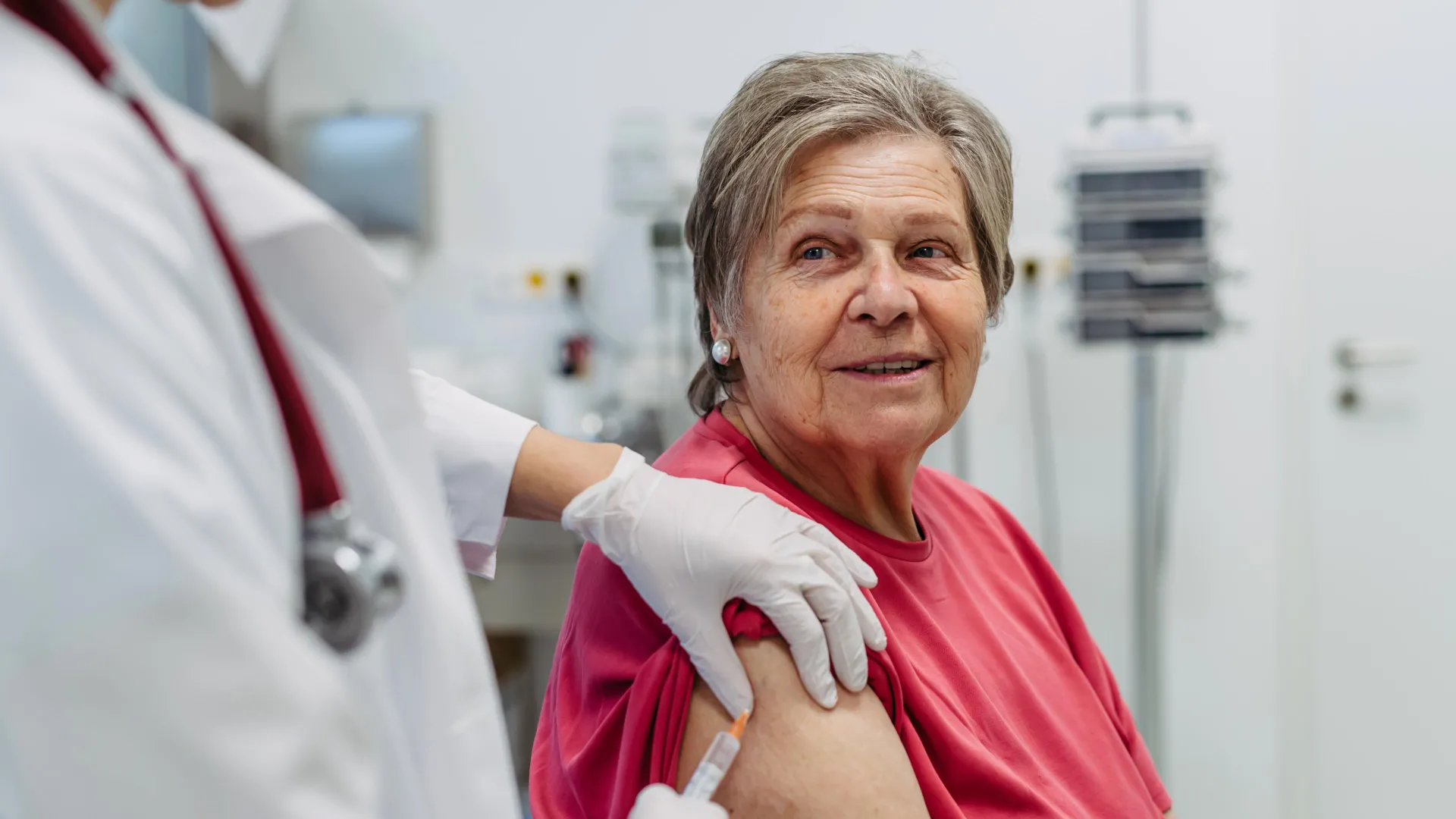
High-dose influenza vaccines may reduce Alzheimer’s risk by nearly 55%
A higher dose of the annual flu shot could offer older adults a significant, unexpected shield against cognitive decline. According to research published in the medical journal Neurology and reported by Science Daily, adults aged 65 and older who received high-dose influenza vaccines saw a nearly 55% reduction in their risk of developing Alzheimer’s disease. This figure represents a notable increase in protective association compared to the 40% reduction linked to standard-dose inactivated influenza vaccines found in previous studies.
Adult vaccination is associated with a 50% HIGHER risk of ALZHEIMER’S and a 38% HIGHER risk of DEMENTIA, according to the LARGEST vaccine–dementia study ever conducted. Among 13.3 MILLION people, the MORE doses of flu, pneumococcal, shingles, tetanus, diphtheria, and pertussis… pic.twitter.com/aMBCkPR2zE
The scale of the challenge facing the American healthcare system is immense. In 2025, more than 7 million Americans aged 65 and older were living with Alzheimer’s disease—roughly 1 in 9 people in that age group. With projections suggesting these numbers could more than double by 2050, researchers are looking for any practical lever to slow the progression of this public health crisis. The connection between the immune system and brain health is now moving from a theoretical curiosity to a measurable clinical observation.
The discovery didn’t start in a high-tech lab, but rather through an unexpected dialogue between a UTHealth Houston physician and local public health officials. Paul Schulz, MD, a professor of neurology at McGovern Medical School and director of the Neurocognitive Disorders Center at UTHealth Houston Neurosciences, noted that the investigation into different vaccine dosages was sparked by questions from the public health department regarding his team’s earlier findings.
The biological mechanism behind dosage differences
To understand why a “stronger” shot might matter, you have to look at how the aging immune system functions. As people age, their bodies become less efficient at recognizing and fighting off new pathogens. This vulnerability is exactly why the Centers for Disease Control and Prevention (CDC) recommends high-dose influenza vaccines for adults 65 and older. These specific formulations contain four times the amount of influenza antigen—the component that triggers the immune response—than a standard shot.
By analyzing data from nearly 200,000 men and women, the UTHealth Houston research team was able to compare outcomes between those who received the high-dose version and those who received the standard dose. The results revealed a clear distinction in risk reduction:
| Vaccine Type | Associated Alzheimer’s Risk Reduction |
|---|---|
| Standard-dose influenza vaccine | Approximately 40% |
| High-dose influenza vaccine | Nearly 55% |
The study also highlighted a demographic nuance: the reduction in risk appeared particularly pronounced among women. While the data shows a strong correlation, the researchers are quick to point out that this is an association, not a proven cause-and-effect relationship. We don’t yet know the exact biological mechanism—whether it involves how the immune system manages inflammation or how it interacts with the processes that lead to Alzheimer’s pathology.
Supply shortages and the reality of geriatric care
There is a practical, somewhat frustrating dimension to this news. While the high-dose vaccine shows superior potential for brain health, it isn’t always available. As the population of older Americans grows, the demand for these specific formulations often outstrips the supply. This means many seniors end up with a standard-dose vaccine instead of the high-dose version, a variable that the researchers used to their advantage to conduct this large-scale comparison.
“We started looking, and sure enough, we were able to put together thousands and thousands of people over the age of 65 who got the high- or low-dose vaccine,” said Schulz, who serves as the Rick McCord Professor in Neurology and Umphrey Family Professor in Neurodegenerative Diseases at McGovern Medical School.
This creates a complex landscape for public health planning. If the dosage of a common, existing vaccine can influence the trajectory of a disease as devastating as Alzheimer’s, then vaccine distribution becomes about much more than just preventing seasonal flu. It becomes a component of long-term neurological preservation.
However, some experts suggest caution in how these findings are communicated to the public. Because these results are observational, they cannot replace the need for rigorous clinical trials designed to prove that the vaccine itself is the direct driver of the risk reduction. There remains a possibility that other lifestyle or health factors common to people who seek out high-dose vaccines could be influencing the data.
For now, the research provides a compelling reason to continue investigating the intersection of immunology and neurodegeneration. The fact that a tool already widely used and specifically designed for the elderly might have these secondary benefits is a significant lead in the search for Alzheimer’s prevention. The next step for the scientific community is to move beyond association and attempt to uncover the “why” behind the numbers.

Locavore NXT in Bali tests zero-import dining and sustainability
The radical pursuit of zero imports in Bali In the heart of Ubud, a culinary experiment is testing...

PAGASA: Three Weather Systems to Bring Rains and Cloudy Skies Across PH on Sunday
Three weather systems bring rain and flood risks to the Philippines Residents across much of the Philippines should...

Bepirovirsen Shows Durable Functional Cure Rates in Chronic Hepatitis B Trials
Bepirovirsen maintains functional cure rates through week 96 in hepatitis B trials Patients treated with bepirovirsen for chronic...

Yogi Adityanath demands apology from SP leaders before Akhilesh Yadav visit
Ayodhya is bracing for a significant political and religious intersection on December 12, as Samajwadi Party (SP) chief...