
HF Sinclair plans to reach a final investment decision on the first phase of its Westline Connect pipeline project in the first quarter of 2027, Stillwater Associates reported.
The project, which was originally introduced as the “Go West” plan in October 2025, aims to expand the capacity of the Pioneer pipeline. This expansion could move an additional 35,000 barrels of product per day from Wyoming to North Salt Lake, potentially reshaping fuel markets from the Inland Northwest down to the West Coast.
While the company's Q3 2026 earnings call indicated that the project timeline has slipped by roughly one quarter compared to previous guidance, the infrastructure is large. If the project proceeds as planned, a start-up is expected in 2029.
The expansion centers on the Pioneer pipeline, which is jointly owned with Phillips 66 and operated by Phillips 66. According to Stillwater Associates, the project would increase daily capacity from approximately 60,000 barrels to 95,000 barrels.
Fuel security and local friction in Utah
The proposed route for the new Pioneer section involves traversing Summit County and Emigration Canyon. This has met with resistance from local residents who have expressed concerns regarding the protection of their drinking water.
In contrast to local pushback, the state of Utah has moved to fast-track pipeline permitting, framing the project as a matter of regional fuel security. The Rockies refining system currently relies on four primary hubs: Denver, Wyoming, Salt Lake City, and Billings.
Because the region sits on a surplus of cheap crude from basins like the Bakken and local Utah and Wyoming sources, the local market often faces a choice between being oversupplied or undersupplied. Currently, the Pioneer line is running at full capacity, leaving little room to move product west through Salt Lake City.
Shifting price dynamics in the Northwest
The arrival of 35,000 extra barrels a day could fundamentally alter the economic math for Salt Lake City. Currently, when the Rockies region faces a summer shortage, the marginal barrel is often expensive because it must be transported via rail or truck from the Gulf Coast.
Westline Connect could change that by providing a cheaper, local alternative to those railed-in Gulf barrels. This shift would likely lower prices for consumers in Salt Lake City and the Inland Northwest, though it may also place “rationalization pressure” on local refiners.
The impact on neighboring markets is large:
- Idaho and Eastern Washington: Lower Salt Lake City prices could flow to Boise, Pocatello, Pasco, and Spokane through the Northwest Products line.
- Las Vegas: The project provides the surplus volume necessary for Salt Lake City refiners to compete effectively in the Las Vegas market via the UNEV pipeline.
- California: Increased supply in the Southwest could reduce the need for California refineries to export gasoline and jet fuel to Southern California.
The regulatory deadline in Las Vegas
One critical variable for the region is a looming environmental deadline. Las Vegas is required to meet federal ozone standards by August 3, 2027. If the area fails to meet these requirements, it could be designated as “Severe Non-Attainment.”
Such a designation would necessitate the use of reformulated gasoline during the summer months. Under these federal air quality planning requirements, light gasoline components must be removed from the blend, which requires separate segregation and different manufacturing specifications.
The ability of Westline Connect to move specific fuel qualities into the Las Vegas market could become a vital component of how the region manages this transition.
Pressure on West Coast refineries
For California refiners, the project represents a growing competitive threat from the East. Los Angeles refineries currently use the conventional gasoline sent to Las Vegas as an outlet for blendstock that does not meet the strict California Air Resources Board (CARB) specifications.
If Westline Connect, alongside the previously announced Western Gateway project, successfully diverts more volume toward the Southwest, California refiners may find themselves with an excess of off-spec volumes. This could force them to export more components at lower netbacks to maintain balance.
By 2030, the West Coast may no longer function as an isolated “fuel island.” Instead, every new pipeline project appears to be tying West Coast prices and supply balances more tightly to the Midcontinent and the Gulf.
HF Sinclair expects to take its final investment decision on the first phase of the project in Q1 2027.

Alaska Judge Denies Peltola Campaign Request for Rejected Absentee Ballot List
“Not reasonable,” ruled a Superior Court judge on Wednesday regarding a request by Democratic U.S. Senate candidate Mary...

Nvidia CEO Jensen Huang Faces Potential Ouster Amid Alleged Affairs and Spy Scandal
Nvidia is preparing to remove CEO Jensen Huang following reports of extramarital relationships involving an executive and a...

Wyoming Athletics Launches Light Up Laradise Fan Experience
Wyoming Athletics will host a first-of-its-kind fan experience titled "Light Up Laradise" on Friday, Nov. 20, during a...
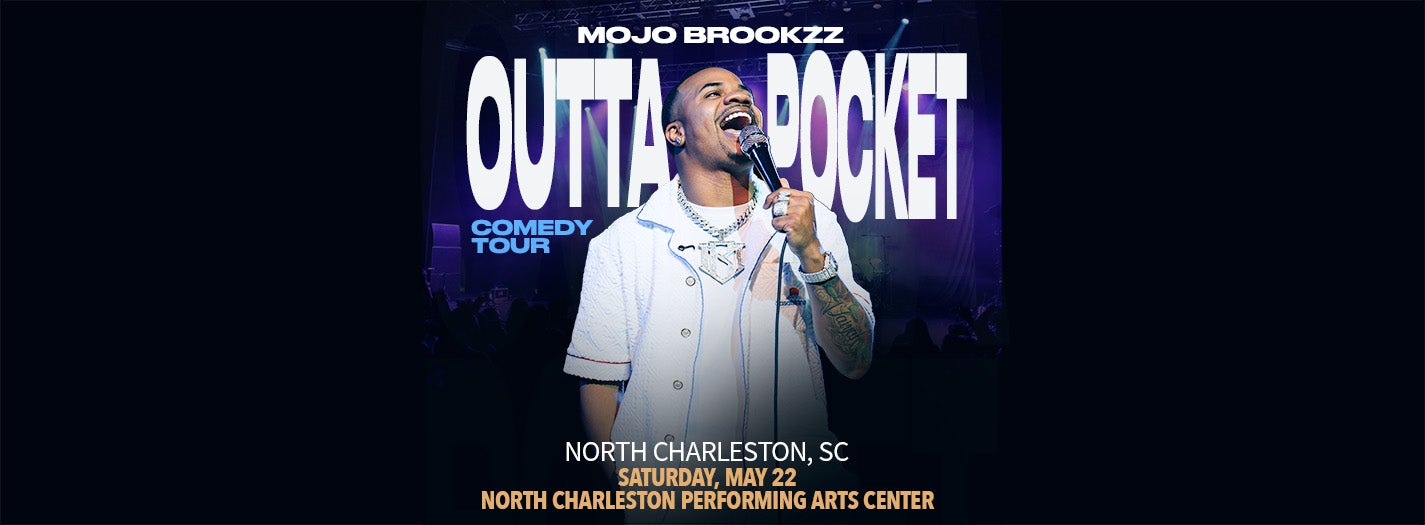
Mojo Brooks Brings ‘Outta Pocket’ Tour to North Charleston
Dyon “Mojo” Brooks is bringing his sold-out "Outta Pocket" tour to the North Charleston Coliseum & Performing Arts...