
A slow dopamine pathway shapes food preferences
Scientists have identified a specific dopamine pathway that explains how the brain learns to enjoy flavors that are initially unpleasant, such as bitter coffee, Science Daily reported.
While most dopamine activity is known for triggering rapid rewards within seconds of an encounter, this newly discovered system operates on a much slower timescale. It functions as a quiet conversation between the gut and the brain, allowing the body to learn about the benefits of food only after it has been consumed and digested.
The research, published November 4 in the journal Nature, suggests that this delayed signaling is what eventually turns a sharp, bitter taste into a sought-after morning ritual.
The gut-brain connection in action
Researchers at UC San Francisco focused on how nutrients like sugar and fat signal the brain through the digestive tract. By delivering nutrients directly into the stomachs of mice, the team was able to separate the physical sensation of tasting food from the actual nutritional reward received by the body.
The study, led by Zachary Knight, PhD, a professor of Physiology, revealed a prolonged dopamine response in a specific brain region known as the anterior basolateral amygdala, or BLA. This area is heavily involved in emotional processing and helps the brain form associations between specific experiences and their eventual consequences.
“We’ve shown that this slow dopamine system is what drives us to learn to like certain foods over time, and we can see where and how that happens,” said Zachary Knight, PhD.
To test the necessity of this pathway, the researchers interrupted it in mice. While the animals continued to eat normally, they lost the ability to learn that an unfamiliar flavor was linked to receiving calories, according to Science Daily.

In a separate experiment, the team artificially activated dopamine fibers in the BLA after mice tasted a calorie-free flavor. The animals subsequently developed a preference for that flavor, even though it provided no actual nutritional reward, effectively mimicking the natural learning signal.
Asymmetry in the human brain
The discovery extends beyond animal models to human biology. According to The Brighter Side of News, researchers reanalyzed data from studies involving human participants to see if a similar pattern emerged.
One analysis of PET scan data from 10 men who consumed either a milkshake or a noncaloric drink supported the idea of dopamine release in the BLA. Another study using fMRI technology observed increased activity in the same region in 38 adults after they consumed glucose.
A striking and unexpected finding in both mice and humans was that the dopamine response was not symmetrical. The response was stronger in the left side of the BLA than in the right. Knight noted that this imbalance is surprising, as brain networks responsible for essential functions like feeding are generally expected to work symmetrically.
Potential impacts on appetite and cravings
Understanding this pathway opens new doors for medical research, particularly regarding how we manage food cravings. The discovery has immediate relevance for the growing field of metabolic health and the use of GLP-1 medications.
These medications, which mimic hormones released by the gut, alter appetite and eating behavior. While Knight’s team did not specifically test GLP-1 drugs in this study, he suggested a potential hypothesis for their effectiveness.
If these medications reduce the dopamine signals generated when nutrients reach the digestive system, foods might gradually become less rewarding. This would mean the brain receives weaker signals reinforcing certain flavors, potentially making them less appealing over time.
Current weight management strategies often focus on making people feel less hungry or more full. However, this research suggests a different target: changing the brain’s learned preference for specific foods. By fine-tuning the steps between nutrient detection and brain learning, future treatments might help individuals develop different food preferences entirely.
The research leaves several questions unanswered, including why the left hemisphere of the BLA plays such a dominant role and whether the specific appeal of coffee is driven by this glucose-based pathway or by other factors like caffeine and aroma. Knight’s laboratory is currently investigating the causes of the observed brain asymmetry.

BNPB Identifies Three Companies Suspected of Burning Land in South Papua
Indonesia's National Disaster Mitigation Agency (BNPB) has identified three companies suspected of deliberately burning land in South Papua,...
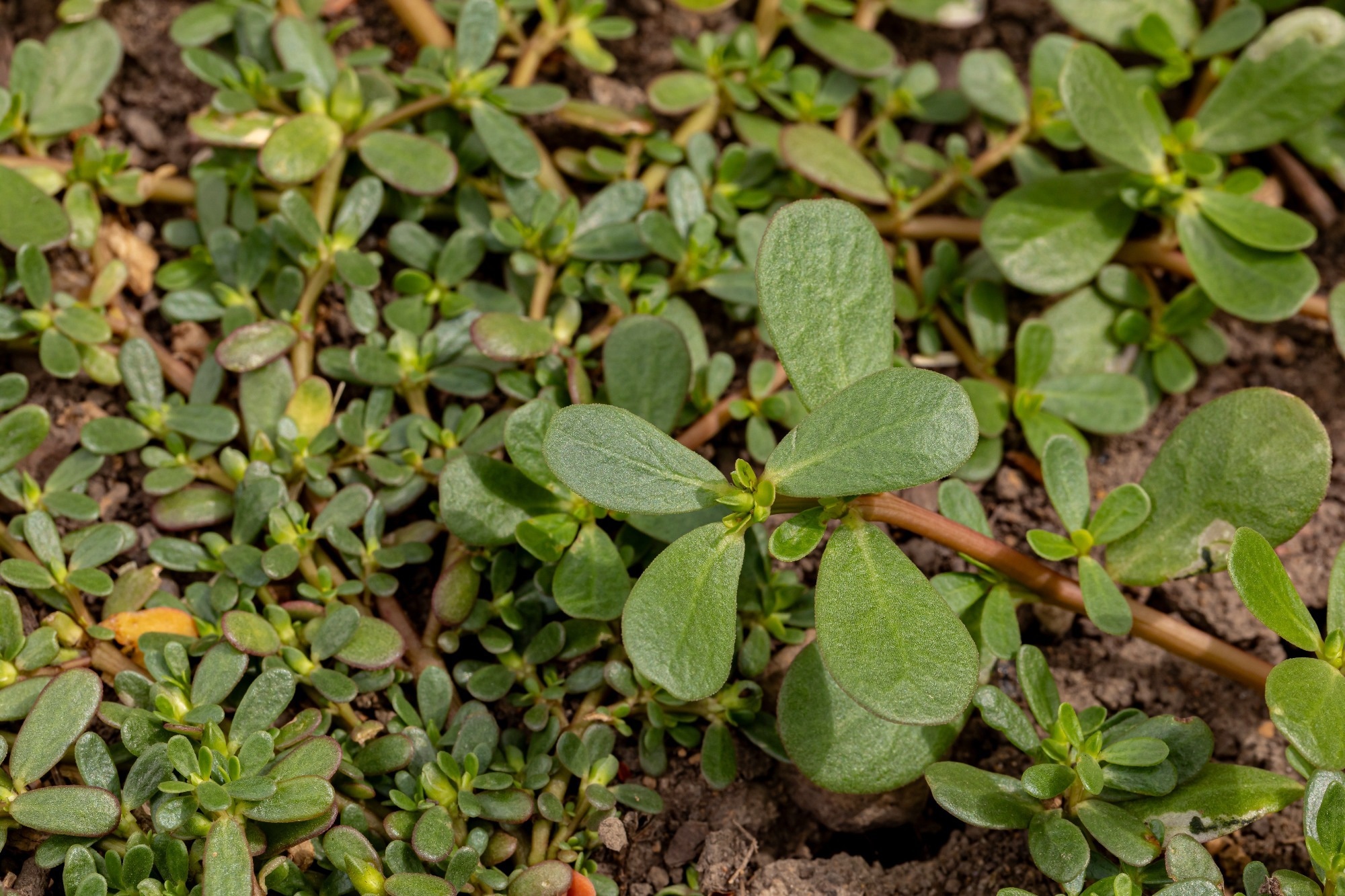
Purslane Nutritional Profile: Omega-3 Content, Health Benefits, and Safety
The nutritional potential of purslane Purslane, a succulent often dismissed as a common garden weed, is attracting scientific...
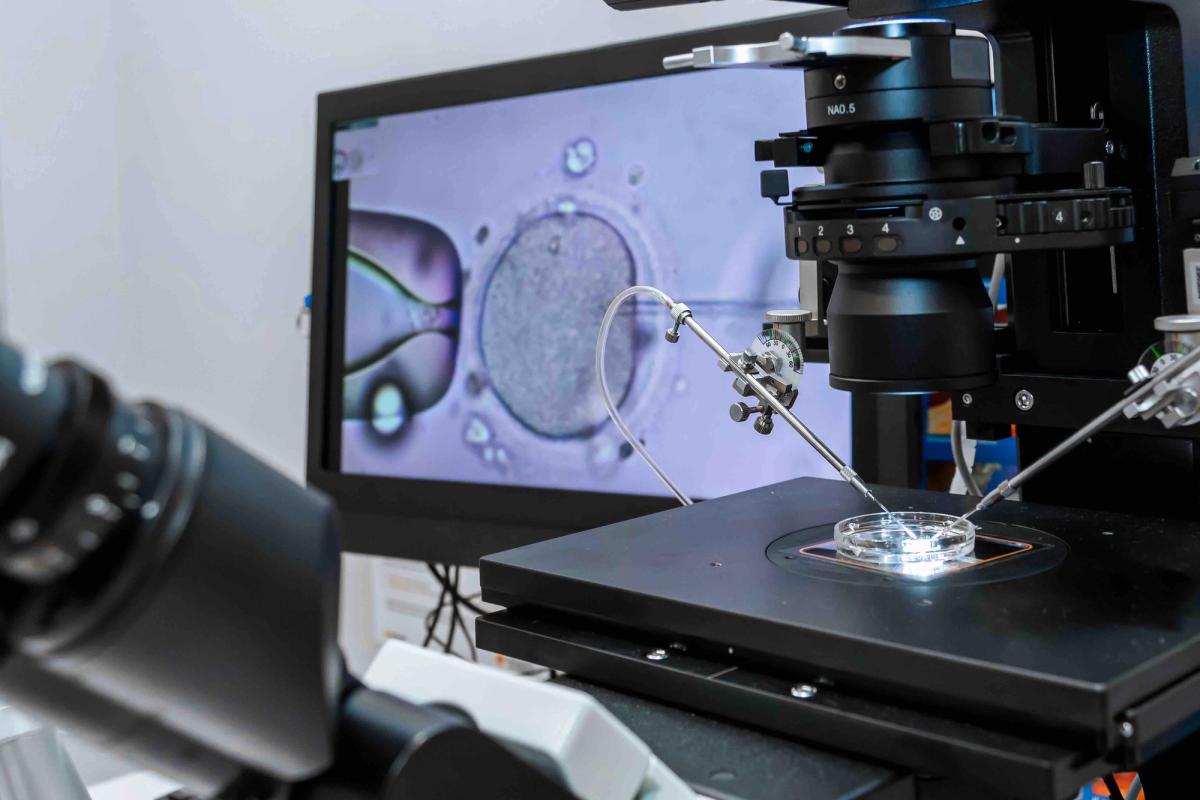
IVF Leads to Faster Live Births Than IUI for Unexplained Infertility
IVF achieves faster live births than IUI for unexplained infertility In vitro fertilization (IVF) leads to faster live...

Singh Advocates for Anti-Alarmin Therapy to Target COPD Inflammation
Biologic therapies face biological hurdles in COPD Clinical trials for asthma biologics have met with mixed results when...