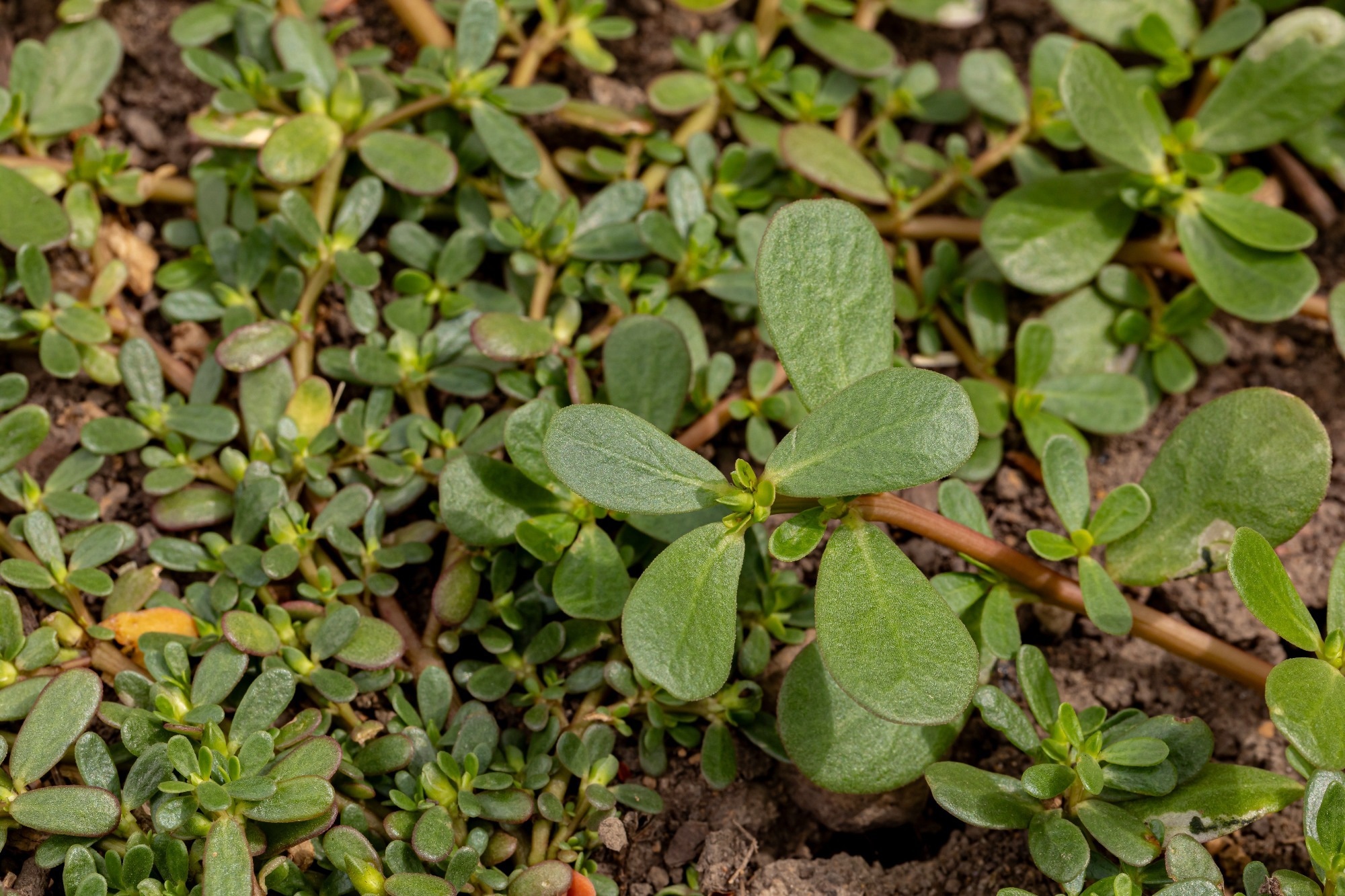
The nutritional potential of purslane
Purslane, a succulent often dismissed as a common garden weed, is attracting scientific scrutiny for its dense concentration of omega-3 fatty acids and antioxidants, News-Medical reported.
While traditionally used as a potherb across the Mediterranean, Asia, and Central Europe, new research is examining whether this resilient plant can offer meaningful metabolic benefits. The plant’s ability to thrive in poor soil and drought conditions makes it a compelling candidate for a sustainable, nutrient-dense food source.
However, the transition from a dietary green to a functional health supplement remains complicated by inconsistent clinical results and significant variability in how the plant grows.
Nutrient density versus growing conditions
The nutritional profile of Portulaca oleracea is heavily dependent on when and how it is harvested. For instance, research published in Antioxidants indicates that harvesting at 29 days after sowing can lead to higher levels of phenolic compounds and oleracein in the leaves. Yet, this timing does not maximize every nutrient; leaf tocopherols reached their peak at 52 days, according to the study.
This variability creates a challenge for anyone looking to standardize the plant’s health benefits. A study found that while leaves contain a higher proportion of α-linolenic acid (ALA) compared to stems, the absolute amount of nutrients per serving depends entirely on the specific cultivar and environmental conditions.
In laboratory assays, purslane has shown higher levels of ALA, α-tocopherol, ascorbic acid, and glutathione than spinach leaves. But researchers caution that these findings should not be generalized across all growing environments.
ALA content in purslane may influence heart health
One of the primary drivers of interest in purslane is its ALA content. Fresh leaves provide approximately 300-400 mg of ALA per 100 g, a high concentration for a leafy vegetable. While small amounts of the longer-chain fatty acid eicosapentaenoic acid (EPA) have been reported, the ALA content is much higher.
The impact on heart health remains a subject of debate. Animal studies suggest that purslane extracts might influence vascular inflammation and cholesterol levels, but human evidence is less definitive. Some small clinical trials have noted improvements in blood pressure or lipid measurements, while others found no change at all.
Because of these mixed results, researchers note that current findings do not establish that eating purslane can prevent atherosclerosis or specific cardiovascular events.
Purslane extracts show conflicting effects on blood sugar
The most complex area of study involves how purslane interacts with blood sugar and insulin. In controlled laboratory settings using cultured cells, an 80% ethanolic extract was shown to increase glucose uptake by promoting the translocation of the glucose transporter type 4 (GLUT4). This mechanism helps move glucose from the bloodstream into the cells.
Despite these promising cellular models, human trials have produced conflicting data:
| Study Type/Population | Reported Outcome |
|---|---|
| Adults with type 2 diabetes (12-week trial) | Reported lower HbA1c levels with oral extract |
| Seed trial (5-week duration) | Reported a slight reduction in fasting glucose without improving insulin resistance |
| People with nonalcoholic fatty liver disease | Found no improvement in fasting glucose or insulin resistance |
The discrepancy in these results makes it difficult to draw a straight line between consumption and disease management. Clinical studies on purslane seed supplementation in women with type 2 diabetes have reported opposing changes in the hormone glucagon-like peptide-1 (GLP-1), leaving its consistent effect on metabolic signaling unclear.
High oxalate levels pose risks for kidney stones
For those considering adding purslane to their diet, the plant’s chemical makeup presents a specific risk for certain groups. Purslane leaves contain significant levels of oxalates, with reported concentrations between 671-869 mg per 100 g of fresh weight. For individuals susceptible to calcium oxalate kidney stones, high dietary intake could be problematic.
There is also a critical distinction between eating the vegetable and taking concentrated supplements. While the plant is safe as a food, researchers warn that safety at concentrated supplement doses has not been fully established through toxicological evaluation. How the plant is prepared—whether eaten raw in a salad or cooked—can alter the levels of its bioactive phenolic compounds.
Current research continues to focus on distinguishing the effects of consuming the whole vegetable from the effects of concentrated extracts or seed powders, as the two may behave very differently in the human body.
The scientific community continues to weigh the plant’s high nutrient density against the inconclusive evidence regarding its ability to treat chronic metabolic diseases.
Worth a look

IVF Leads to Faster Live Births Than IUI for Unexplained Infertility
IVF achieves faster live births than IUI for unexplained infertility In vitro fertilization (IVF) leads to faster live...
Singh Advocates for Anti-Alarmin Therapy to Target COPD Inflammation
Biologic therapies face biological hurdles in COPD Clinical trials for asthma biologics have met with mixed results when...

Two Teachers Found Dead in Suspected Suicide Pact on Diwali
Two schoolteachers were found dead in their home on Diwali, just 78 days after they remarried, in what...
WFIRM Studies Colorectal Cancer Chemotherapy Response in Space
Microgravity tests colorectal cancer drug response Researchers are using the microgravity environment of the International Space Station to...