
Half of U.S. adults say food prices are straining their budgets, the CNBC and SurveyMonkey Quarterly Money Survey found in polling conducted Sept. 28 to Sept. 30, 2026.
The survey of 982 adults, weighted to Census demographics with a modeled error estimate of plus or minus 4.0 percentage points, cites a median after-tax household income of $76,060 in 2025, according to the Census Bureau. At that income, the standard 10% to 15% food budget rule translates to $634 to $951 a month — a ceiling many households now hit before the cart is full.
CNBC reported three practical levers consumers are pulling: zero-based budgeting apps, cash-back and coupon stacks, and wholesale memberships paired with the right rewards cards.
The Bottom Line:
- Median after-tax income of $76,060 supports a $634–$951 monthly food budget.
- Wholesale clubs deliver 27% annual savings on bulk buying per LendingTree 2025 data; Costco Executive and Sam’s Club Plus memberships pay for themselves at roughly $5,000 in eligible annual spend.
- Top no-annual-fee grocery cards — Capital One Savor (3% at supermarkets, excluding Walmart/Target) and Citi Strata (3X ThankYou points at supermarkets) — are highlighted for grocery savings.
Budgeting First: Zero-Based Allocation
YNAB — You Need a Budget — uses a zero-based system where every dollar is assigned a job before the month begins. The app costs $109 annually after a 34-day trial, or $14.99 monthly, with college students eligible for 12 months free. It syncs bank, credit-card and investment accounts and encrypts data in accredited data centers with third-party audits.
Reviewing two to three months of past grocery receipts sets the baseline. Households that track against that baseline consistently underspend the 15% guideline by 2 to 3 percentage points, CNBC Select’s analysis found.
Digital Coupons and Cash-Back Layers
Ibotta’s browser extension and app let users activate offers before shopping, then scan receipts or link loyalty cards. Average users earn $10 to $20 monthly; heavy users report up to $300. Redemption starts at $20 via bank deposit, PayPal or gift cards.
The mechanics are simple but the stack matters: combine a store sale, a manufacturer coupon clipped in the app, and a rewards-card purchase, and the effective discount on a single SKU can exceed 40%.
Wholesale Math: Membership Fees vs. Unit Savings
LendingTree’s 2025 report quantified the bulk premium: 27% per year versus smaller quantities. Costco’s Executive tier costs $130 and returns 2% on eligible purchases up to $1,250 annually. Sam’s Club Plus is $120 for 2% cash back and free shipping over $50. Both break even at $5,000 in eligible annual spend.
For Walmart loyalists, Walmart+ runs $98 annually or $12.95 monthly, with discounted plans for SNAP, WIC and Medicaid recipients. Pair it with the Walmart MoneyCard — $5.94 monthly fee waived with a $1,000 monthly load — for 3% back on Walmart.com and app, 2% at fuel stations, 1% in stores, capped at $75 yearly.
Rewards Cards: The No-Fee Contenders
Capital One Savor Cash Rewards offers unlimited 3% at grocery stores — explicitly excluding superstores like Walmart and Target — plus 3% on dining, entertainment and streaming, 8% on Capital One Entertainment, and 5% on Capital One Travel. A $200 bonus posts after $500 spend in three months. Variable APR ranges 18.74% to 28.74%.
Citi Strata carries no annual fee and lets cardholders pick one 3X category from five options (default streaming). Supermarkets, gas and EV charging, and select transit earn 3X ThankYou points baseline; restaurants 2X; travel via Citi Travel 5X. Intro 0% APR on purchases and balance transfers for 15 months, then 18.74% to 28.74% variable.
Amazon Prime Visa delivers 5% back at Amazon.com, Amazon Fresh and Whole Foods for Prime members, but the Prime fee is a separate hurdle.
Paying in full is non-negotiable.
Ibotta, the Denver-based mobile technology company behind the cash-back app and browser extension highlighted above, was founded in 2011 and launched its app in 2012. By 2023 it had paid more than $1.5 billion in cash rewards to over 50 million consumers since inception.
In April 2022 the company launched the Ibotta Performance Network, a pay-per-sale platform that now reaches over 200 million consumers through retailers such as Walmart, Dollar General and Instacart. Ibotta went public on the New York Stock Exchange in April 2024, the largest technology IPO in Colorado history.
What the Survey Signals for Retail
Disclaimer: The information provided in this article is for educational and market analysis purposes only and does not constitute financial, investment, or legal advice. Always consult with a certified financial professional before making investment decisions.
Keep reading
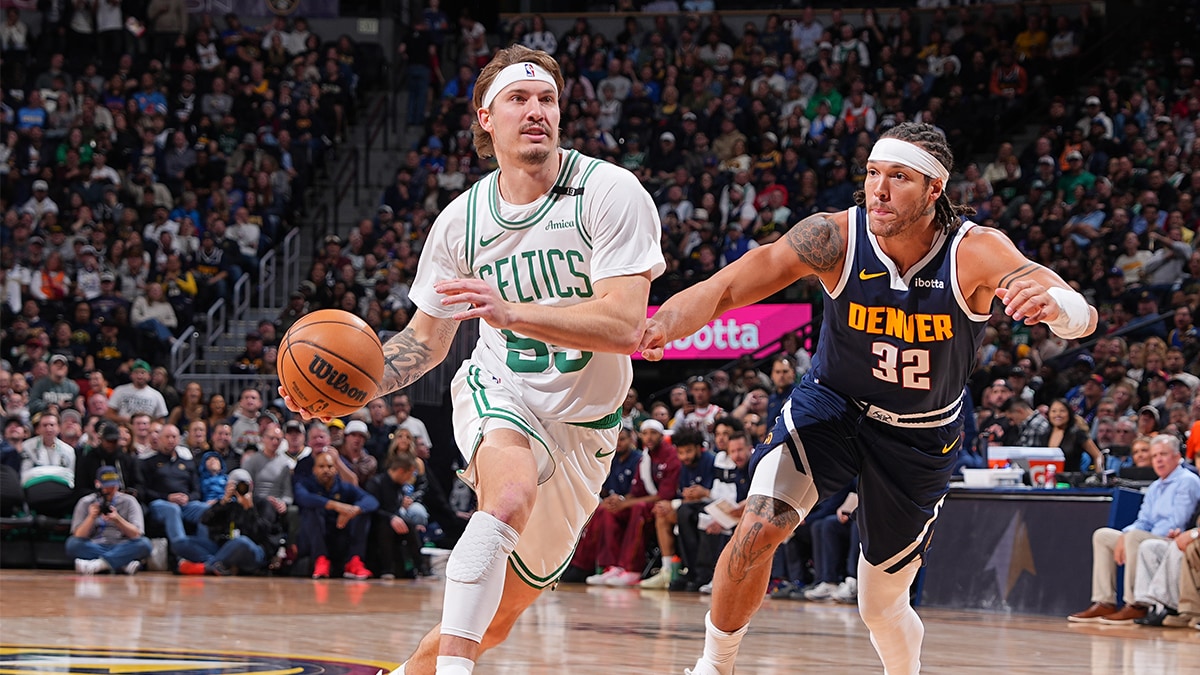
Nuggets Overcome 17-Point Deficit, Beat Celtics 105-101 on Murray Free Throw, Tatum Technical
Denver scored the final five points to overcome a 17-point deficit and beat Boston 105-101. The loss snapped...

Kansas Highway Patrol Superintendent Urges Lawmakers to Regulate License Plate Readers
The superintendent of the Kansas Highway Patrol wants state lawmakers to regulate automated license plate readers during the...

Alaska Finishes Ballot Count, Peltola Beats Sullivan 50.1% to 45.8%
Alaska finished counting its outstanding ballots Wednesday evening, confirming Democrat Mary Peltola's victory over Republican Senator Dan Sullivan...

Ellington Man Pleads Guilty to Fentanyl Trafficking, Gun Charges
"He drove away at a high rate of speed after witnessing the traffic stop," federal officials said. Jose...