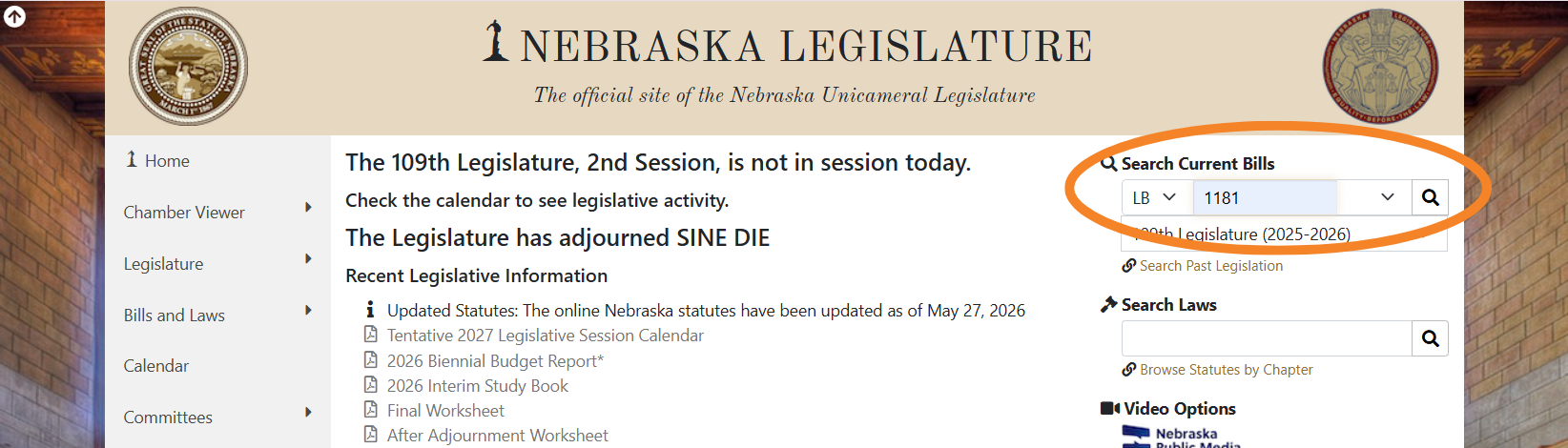
Submitting online comments for legislative bills offers citizens a direct route to the official record without requiring a trip to the Capitol or a public speaking appearance.
Deadlines and Submission Requirements for Online Testimony
Comments must be submitted directly through the Legislature’s website before 8:00 a.m. on the morning of a bill’s scheduled hearing. Each submission is capped at a maximum of 500 words. When filling out the digital form, participants must supply their first and last name, home address, email address, and specific legislative district.
To ensure the comment officially enters the Legislative Record, the system requires a mandatory email verification step. A verification link arrives automatically via email after form submission, and users must complete this confirmation by 8:00 a.m. on the day of the hearing. Individuals who cannot locate their verification message are advised to inspect their spam or junk folders, or alternatively, contact the Clerk’s office for assistance.
Senators Review Public Comments During Legislative Floor Debates
Once a committee hearing concludes, the committee chair announces the total tally of online comments submitted as proponents (in support), opponents, and neutrals. These submissions constitute public records with no expectation of privacy.
After a bill has advanced out of committee, an individual’s first name, last name, and chosen stance become publicly accessible via the Legislature’s website. Senators and their staff review these written submissions and may quote them when debating that legislative bill on the floor of the legislature.
Structuring Effective Comments and Protecting Personal Well-Being
There are several practical strategies for drafting testimony. Writers are encouraged to concentrate on the main points they want decision-makers to remember rather than attempting to cover an entire personal narrative. Clear, straightforward language works best, while direct criticism of individual senators or extraneous references to unrelated bills should be avoided.
Because engaging with public policy can occasionally evoke strong emotions, the guidelines emphasize self-care. Contributors are advised to monitor their emotional well-being while writing, take breaks as necessary, and omit details that feel too overwhelming to share.

LaNorris Sellers Leads No. 23 South Carolina Past Texas A&M 17-9
South Carolina Extends Win Streak No. 23 South Carolina secured its fourth straight victory on Saturday, outlasting Texas...

Nashville SC breaks MLS regular season points record over Messi’s Miami
No one in the history of Major League Soccer has ever put together a regular season quite like...

Fargo, Waterloo and Cedar Rapids Tie for USHL Lead at 24 Points
Three Teams Share the Summit at 24 Points The United States Hockey League reached a crowded crossroad Saturday...

This Victorian cottage is on charming Narragansett Terrace, with spectacular western views over
Historic Riverside Waterfront Property Sells for $1.35 Million in East Providence “This Victorian cottage is on charming Narragansett...