
To get an accurate read on election night, you should wait until at least 7:30 p.m. ET when early votes from Florida begin to arrive. While exit polls provide insight into voter motivations, they are not a reliable predictor of the final winner due to challenges like low response rates.
As the nation prepares to head to the polls, the temptation to refresh results every few minutes will be high. However, the most meaningful data won’t arrive in a sudden burst of early evening adrenaline. According to NPR, the first real clues for the night’s direction typically emerge around 7:30 p.m. ET, once Florida’s early voting data starts hitting the boards.
David Wasserman, a senior elections analyst at the Cook Political Report, suggests that the window between 7 p.m. and 8 p.m. ET is when the narrative begins to take shape. By 8 p.m., larger batches of votes from critical states like Texas and Ohio should offer a much clearer view of the battle for Senate control.
Exit polls offer context but not certainty
There is a common misconception that the exit polls released by major networks are a shortcut to knowing the winner. In reality, they serve a different purpose. While they are excellent at showing which issues—such as the economy or social safety nets—are driving people to the polls, they are statistically volatile.
The firm SSRS, which conducts exit polling for major television networks, utilizes a method that combines Election Day interviews with pre-election surveys. This process is susceptible to the same hurdles that plague traditional polling, most notably declining response rates. Because of these variables, relying on them too early can lead to false conclusions.
“We really have to wait for the hard results to be able to draw inferences on what’s happening,” Wasserman said.
The stakes of these inaccuracies are high. Misinterpreting an early exit poll can create a sense of momentum that doesn’t exist, or conversely, mask a shift in voter sentiment that is actually occurring in real-time. The “hard results”—the actual tallied votes—remain the only definitive metric.
House races serve as early indicators
While the national conversation often centers on the presidency and the Senate, the House of Representatives may actually provide the most immediate signals of a political shift. Certain districts act as bellwethers, reflecting broader national trends before they manifest in the larger, more complex statewide races.
Wasserman is specifically tracking several high-stakes contests that could signal whether the night is a standard partisan split or something more transformative. For instance, in Virginia, the outcome in the 5th District could be a massive tell. If Democrat Tom Perriello unseats Republican John McGuire, it wouldn’t just be a localized win; it could signal a broader movement.

Wasserman noted that such a result could mean Democrats aren’t just having a good night, but could be “riding a wave big enough to reshape the political map.” He described the potential for such a shift with a stark warning: “batten down the hatches because this could be a tsunami.”
Other key races to monitor include:
- Kentucky’s 6th Congressional District (KY-06): A close race in the Lexington area that could provide an early national snapshot.
- Florida’s 22nd and 14th Districts (FL-22, FL-14): Both are toss-ups; a sweep by Democrats here would signal a very strong night for the party.
- South Carolina’s 1st Congressional District (SC-01): An open seat involving Republican Nancy Mace that may be influenced by the concurrent Senate contest.
- Virginia’s 2nd District (VA-02): A win for Republican Jen Kiggans would represent a better-than-expected outcome for the GOP.
The shifting voter landscape
The underlying tension of this election involves how both major parties are attempting to hold onto specific demographics. For Republicans, the challenge lies in maintaining the coalition that supported Donald Trump in 2024, particularly voters who were drawn to promises of a stronger economy and fewer foreign conflicts.
However, the data suggests a possible fracture. Many independents who previously supported Trump’s economic and foreign policy stances are now reportedly giving him low marks on those very issues. This shift is creating an opening for Democrats to gain an advantage in key swing areas.
Interestingly, the Republican strategy is not monolithic. Some Republican candidates are actively distancing themselves from Trump, attempting to frame their specific races as a choice between themselves and the Democrat, rather than a referendum on the president’s performance. This internal tension within the party could play a decisive role in how the House and Senate margins eventually settle.
As the polls close across different time zones, the central question remains: is the electorate responding to specific policy promises, or is the night being driven by a broader, more systemic shift in voter loyalty?
Worth a look

Southern Maine businesses embrace Nordic cuisine and lifestyle
Portland and Saco businesses embrace Nordic cuisine and lifestyle A growing number of restaurants and specialty shops across...

Trump and Beshear Clash Over Kentucky’s Key Congressional Race
Kentucky’s 6th District race serves as an early bellwether for the national election "Hello Kentucky, special place. I...

Children’s Mercy cuts 115 jobs and moves 473 staff to outside partner
Children's Mercy eliminates 115 jobs and transitions hundreds more to outside partner Children's Mercy is cutting 115 positions...
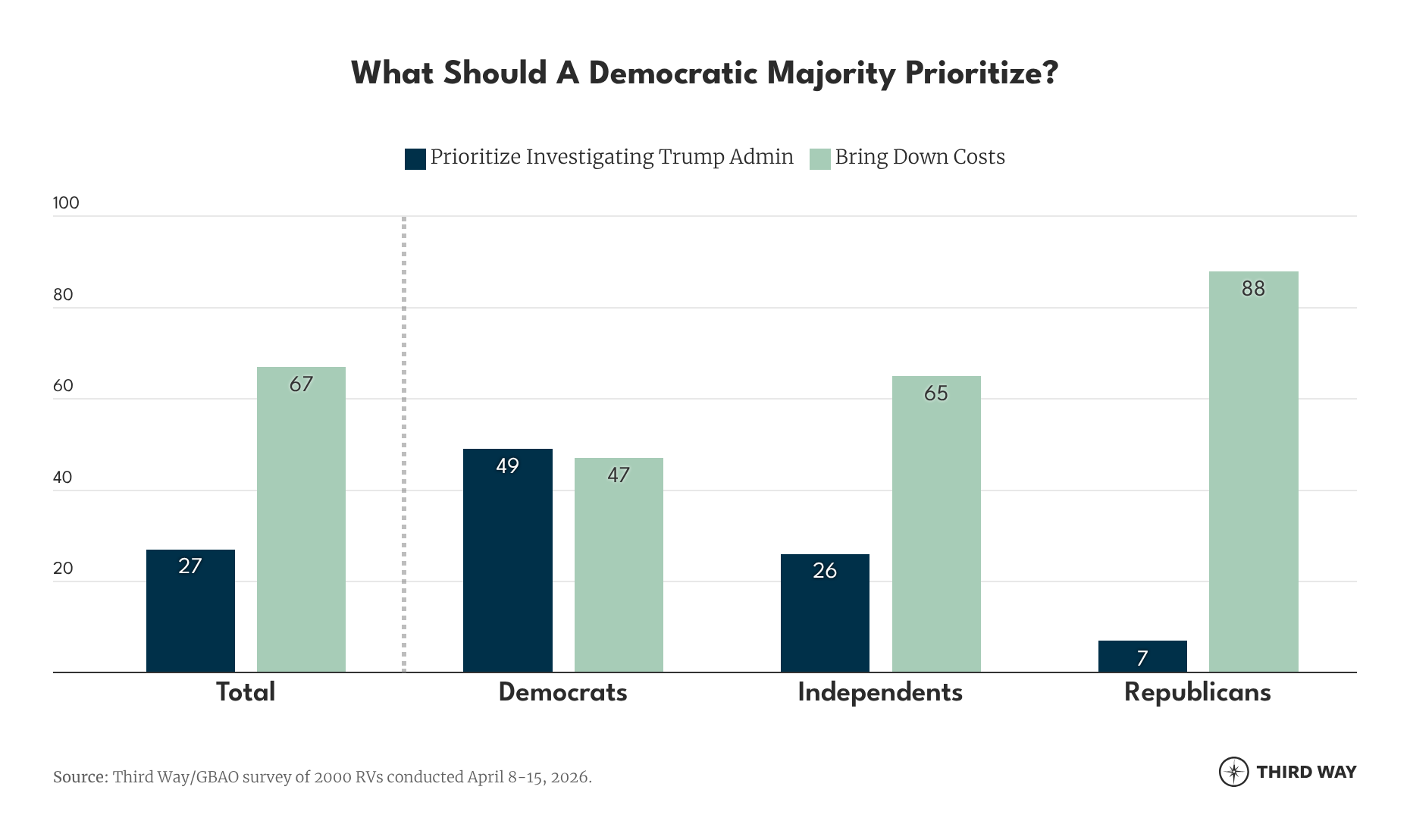
Democratic Priorities if They Retake the House of Representatives
If Democrats retake control of the House of Representatives, party leaders intend to prioritize a legislative agenda focused...