
Lincoln Educational Services faces class action lawsuit over student enrollment metrics
Lincoln Educational Services Corporation (NASDAQ: LINC) is facing a securities class action lawsuit following a significant drop in its share price, Morningstar reported. The legal action, initiated by the national shareholders rights firm Hagens Berman, seeks to represent investors who purchased or acquired LINC securities between May 11, 2026, and August 9, 2026.
The investigation centers on whether the company misled the market regarding its “student starts”—a key metric used to measure enrollment and growth. The legal scrutiny follows an August 10, 2026, announcement of the company’s second-quarter results, which revealed a much slower rate of student enrollment than previously suggested by management. That single announcement caused the company’s shares to plummet by $10.22, a 24.9% decline that wiped out more than $300 million in market capitalization in one day.

The discrepancy between the company’s optimistic projections and its actual performance creates a significant gap for investors. In May, the company’s narrative was one of aggressive expansion. During the Q1 2026 earnings call on May 11, management reported that a 19.5% growth in student starts had exceeded expectations. This led the company to increase its full-year guidance for student start growth to a range between 10% and 14%. At the time, leadership emphasized “continuing momentum” and “strong, sustained demand” in their business operations, a sentiment that initially drove shares up by $4.75, or 10.6%, that same day.
However, the reality reported in August told a different story. The Q2 2026 earnings revealed that student starts grew by only 1%. While management noted during the call that they expected second-quarter growth to moderate to approximately half the rate of the first quarter, the 1% figure stood in stark contrast to the “strong, sustained demand” described just three months prior.
The discrepancy in enrollment data
The core of the legal challenge rests on the propriety of the statements made by Lincoln Educational regarding these enrollment figures. For investors, these metrics are not just numbers; they are the primary indicators of the company’s health and future revenue potential. When a company’s guidance suggests double-digit growth and the actual result is nearly flat, the resulting volatility can be devastating for those holding the stock.
The lawsuit is currently looking for lead plaintiffs to represent the class of investors who suffered substantial losses. According to the firm’s investigation, the focus remains on whether the company intentionally misstated its growth trajectory to maintain investor confidence.
“We’re focused on whether Lincoln Educational may have intentionally misled investors about its student start metrics,” said Reed Kathrein, the Hagens Berman partner leading the firm’s investigation.
The financial fallout for shareholders is substantial. The sudden loss of $300 million in market value highlights the high stakes of accuracy in corporate reporting. Beyond the immediate loss of capital, such volatility can impact the broader educational services sector by creating skepticism regarding how enrollment metrics are reported across the industry.
For those looking to participate in the legal process, there are specific upcoming deadlines. The deadline to serve as a lead plaintiff in this matter is November 10, 2026. The firm is also encouraging whistleblowers—individuals with non-public information regarding the company’s operations—to come forward. Under the SEC Whistleblower program, individuals providing original information may be eligible for rewards in successful recoveries.
The investigation is currently focused on the period between the May earnings report and the August disclosure. Investors who believe they have suffered losses due to the company’s statements regarding student start growth are being encouraged to submit their claims through the firm’s official channels at www.hbsslaw.com/cases/linc.
As the legal proceedings move forward, the central question remains whether the shift from 19.5% growth to 1% growth was a predictable market fluctuation or the result of inaccurate guidance provided to the public.
Related reading

Trump and Beshear Clash Over Kentucky’s Key Congressional Race
Kentucky’s 6th District race serves as an early bellwether for the national election "Hello Kentucky, special place. I...
Children’s Mercy cuts 115 jobs and moves 473 staff to outside partner
Children's Mercy eliminates 115 jobs and transitions hundreds more to outside partner Children's Mercy is cutting 115 positions...
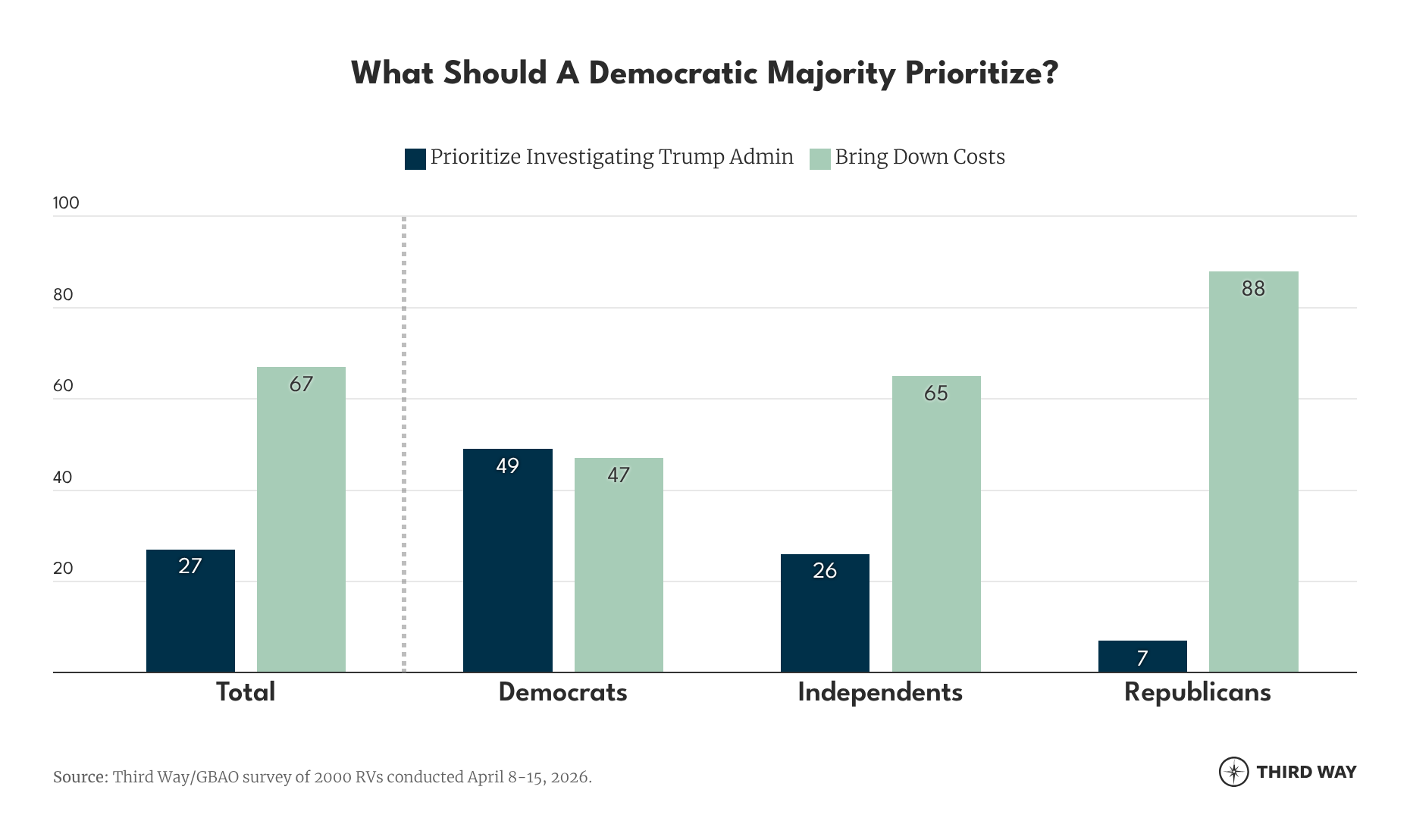
Democratic Priorities if They Retake the House of Representatives
If Democrats retake control of the House of Representatives, party leaders intend to prioritize a legislative agenda focused...

Springfield College Athletics Announces 2026 Student-Athlete Honors
Springfield College Honors Student-Athletes Through Fall Award Cycle Kaelin Cerasuolo was recognized for her performance in field hockey...