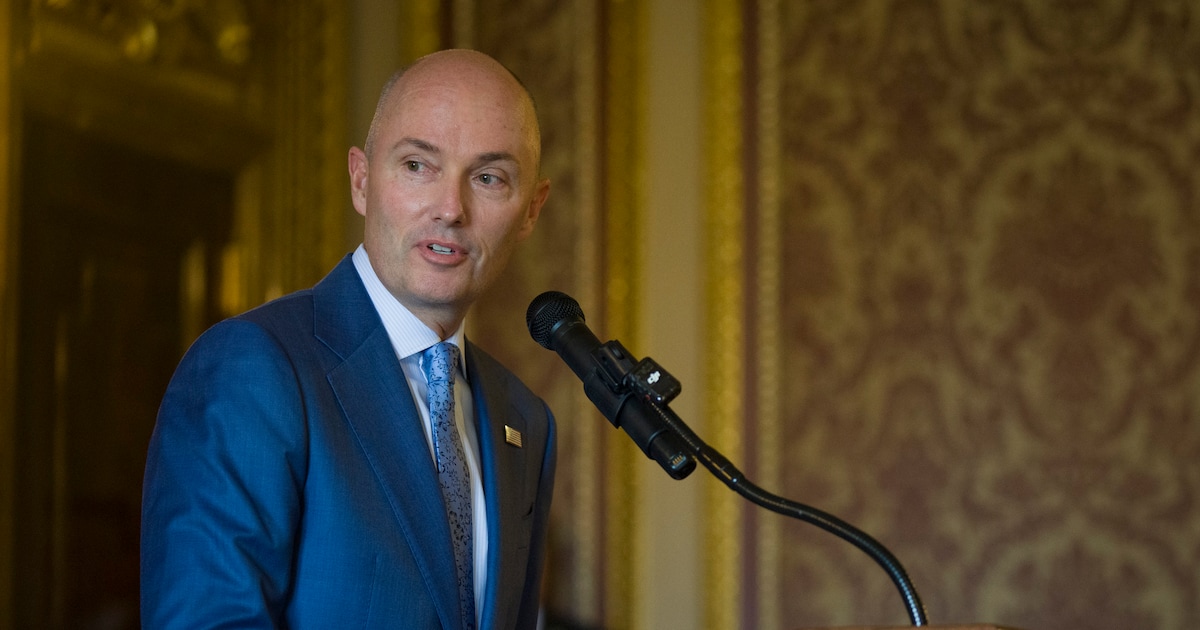
Governor Spencer Cox may have more political influence in the upcoming legislative session than he has had in years.
As Republican seats in the Utah House are expected to fall below the two-thirds threshold, the era of a guaranteed, veto-proof supermajority appears to be ending.
The shift in power, reported by the Salt Lake Tribune, follows unofficial election returns showing a dozen GOP incumbents facing challengers and Democrats leading in several open races. This change fundamentally alters the math of the state’s executive-legislative relationship.
Since 1998, the Utah GOP has maintained an uninterrupted supermajority capable of overriding any gubernatorial veto. Losing that math means Cox’s ability to block legislation is no longer a mere suggestion; it becomes a definitive stop sign.
The math of a veto
The constitutional power to veto checks the Legislature, but its effectiveness relies on the numbers in the House and Senate. To overturn a governor’s decision, two-thirds of the members in both chambers must vote to do so.

In 2022, the supermajority proved its strength when it successfully resurrected a bill to ban transgender girls from playing on school sports teams. Governor Cox had blocked the measure, but the Legislature reconvened and used 56 Republican votes in the House and 18 in the Senate to override him.
Without that two-thirds cushion, such a reversal becomes much harder to achieve. This reality could force a different kind of political engagement between the two branches.
“If the governor chose to play hardball with the Legislature in a backroom discussion,” said Adam Brown, a political science professor at Brigham Young University, “and tell them, ‘If you pass this bill without making these changes, I will veto it,’ they’ve got to take that a little more seriously.”
Brown suggested that the governor’s threat of a veto might become a more fruitful tool for shaping policy before bills even reach his desk.
Restoring the balance
For years, some observers have felt the Legislature has moved to consolidate power at the expense of the executive branch. Derek Miller, who served as former Governor Gary Herbert’s chief of staff, noted that some lawmakers have sought to act as a “super governor” by controlling education policy and other executive decisions.
The loss of the supermajority might serve as a corrective measure. Miller expressed hope that a more balanced Legislature would lead to increased transparency and accountability.
Former Governor Gary Herbert also suggested that losing the veto-proof status gives legislative leaders more reason to collaborate with the governor’s office. He noted that some recent legislative losses may stem from voters feeling that laws are being passed without sufficient, transparent deliberation.

The historical data on vetoes in Utah shows they are a relatively rare occurrence. Since Cox took office in 2021, he has vetoed 20 bills out of nearly 3,400 passed. The 2022 sports ban remains the only instance where the Legislature successfully reversed one of his vetoes.
| Metric | Stat/Detail |
|---|---|
| Total bills vetoed by Cox since 2021 | 20 |
| Budget line items rejected in 2018 | 10 |
A seat at the table
For Democrats, the breaking of the Republican supermajority offers more than just a defensive tool; it offers a path to influence. Frank Pignanelli, who led House Democrats from 1991 to 1996, recalled a time when Norm Bangerter had to negotiate with the minority party to sustain a veto.
Pignanelli described how Bangerter once sought help from Democrats to avoid a veto override, eventually agreeing to a recycling task force to secure the necessary votes. This dynamic allowed the minority party to exert influence that was otherwise unavailable.
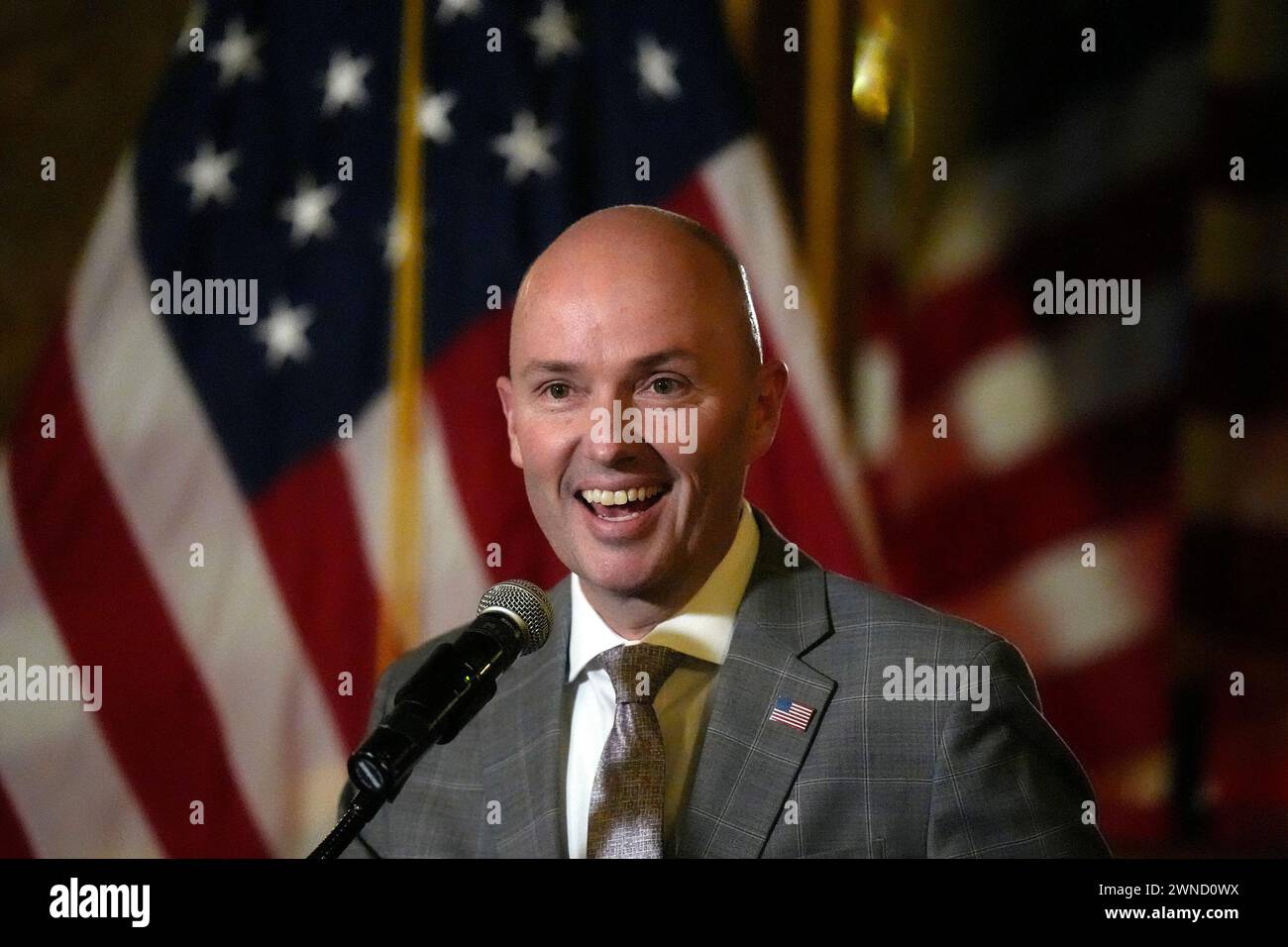
Current House Minority Leader Angela Romero believes the expanded Democratic caucus could facilitate better collaboration between branches. She expressed hope that the results would encourage both parties to move away from divisive culture war issues and toward improving the quality of life for Utahns.
Whether this shift leads to more stable policy depends on the situational politics of the next session. While a veto acts as a “brake” rather than a “gas pedal,” as Brown noted, the ability to stop a bill entirely is a power Cox has not held with such certainty in decades.
Cox has stated he is not running for reelection in 2028, leaving the long-term impact of this power shift to the legislators and leaders who follow him.
Keep reading

Fishermen Rescue Royal Caribbean Crew Member After Going Overboard
Three fishermen spotted a man floating on his back in the ocean about 20 miles offshore near Catalina...

Seahawks Beat Cardinals 17-3 as Charbonnet Shows Physical Growth
Seahawks defense holds Cardinals to three points The Seattle Seahawks allowed only three points during the entire game...

Miss Manners Addresses Bride’s Dispute Over Wedding Aesthetic Similarities
A dispute over wedding etiquette and creative boundaries has surfaced in a recent column for Miss Manners, where...

Social Security Benefit Cuts Loom in 2032 as Trust Fund Depletion Approaches
The federal safety net supporting millions of Americans is facing a structural reckoning that will hit retirement income...