
Hundreds of community infrastructure initiatives across New Mexico are facing a sudden fiscal cliff as the state prepares to enforce a strict “use-it-or-lose-it” mandate.
As of November 3, the New Mexico Department of Finance and Administration identified 291 inactive capital outlay projects that are currently at risk of losing their state-allocated funding.
This inventory represents a total of $98.1 million in taxpayer dollars earmarked for local, tribal, and nonprofit development. With the new legislative policy slated to take effect on January 1, project sponsors have a shrinking window to demonstrate actual progress or forfeit their standing entirely. The situation serves as the first major trial for the state’s aggressive push to clear its books of dormant capital projects.
The Risk to Local Infrastructure
The financial stakes extend well beyond simple accounting. These stalled projects encompass a wide range of essential services, including critical wastewater infrastructure, road improvements, and necessary equipment acquisitions. Should these projects be stripped of their funding, the impact will be felt most acutely by residents who have been waiting for these improvements to break ground.
The list of at-risk projects is broad, spanning various jurisdictions and organizational types. Among the entities now scrambling to show activity are local governments, tribal authorities, and various nonprofit organizations throughout the state. As reported by the Santa Fe New Mexican, this oversight effort is designed to prevent capital from sitting idle while communities remain in need of functional, completed infrastructure.
The state has not yet disclosed exactly how many of these 291 projects are likely to be defunded, leaving many local sponsors in a state of uncertainty as the new year approaches. The policy functions as a firm deadline for bureaucracy; projects that have historically lingered in the planning phase without moving into construction are now the primary targets of the Department of Finance and Administration’s fiscal management oversight.
The Mechanics of the Deadline
While the state prepares for this January 1 transition, other administrative business continues in the capital. For instance, the New Mexico Public Education Commission has scheduled charter school contract renewal hearings for November 19-20 in Santa Fe, as noted by Deming Headlight. These meetings, which offer both in-person and virtual participation, highlight the continued legislative and commission-level activity occurring alongside the broader push to audit state spending.
| Metric | Status as of Nov. 3, 2026 |
|---|---|
| Total Inactive Projects | 291 |
| Total Capital Outlay at Risk | $98.1 Million |
The core of the issue is the transition from a passive oversight model to an active one. Historically, capital outlay appropriations could remain on the books for extended periods with minimal movement. This new policy forces a change in behavior, requiring sponsors to provide concrete evidence of progress—such as finalized contracts or active construction phases—to retain their funding.

The Economic Stakes of Inactivity
For those in rural or tribal areas, the loss of this funding could mean the permanent cancellation of projects that are vital to local health and safety, such as the construction of an interchange on Interstate 25 or essential rural water system upgrades.
The state government maintains that these funds must be deployed efficiently to provide actual value to citizens. By identifying projects that have sat idle, the Department of Finance and Administration is attempting to maximize the impact of the state’s capital budget. For the residents, businesses, and local leaders involved, the next few weeks will determine whether long-planned improvements proceed or fall victim to the new fiscal reality.
Whether this policy will lead to a surge in project completion or a wave of funding rescissions is unclear. Local sponsors are being urged to audit their own status immediately to determine if their projects appear on the state’s inventory. The final outcome for these 291 projects will be decided when the calendar turns to January 1.
Texas Cannabis Bills Advance Further Than Ever, but Senate Hurdles Remain
Sarah Todd, director of the Texas Cannabis Policy Center, felt a wave of optimism for an adult-use cannabis...
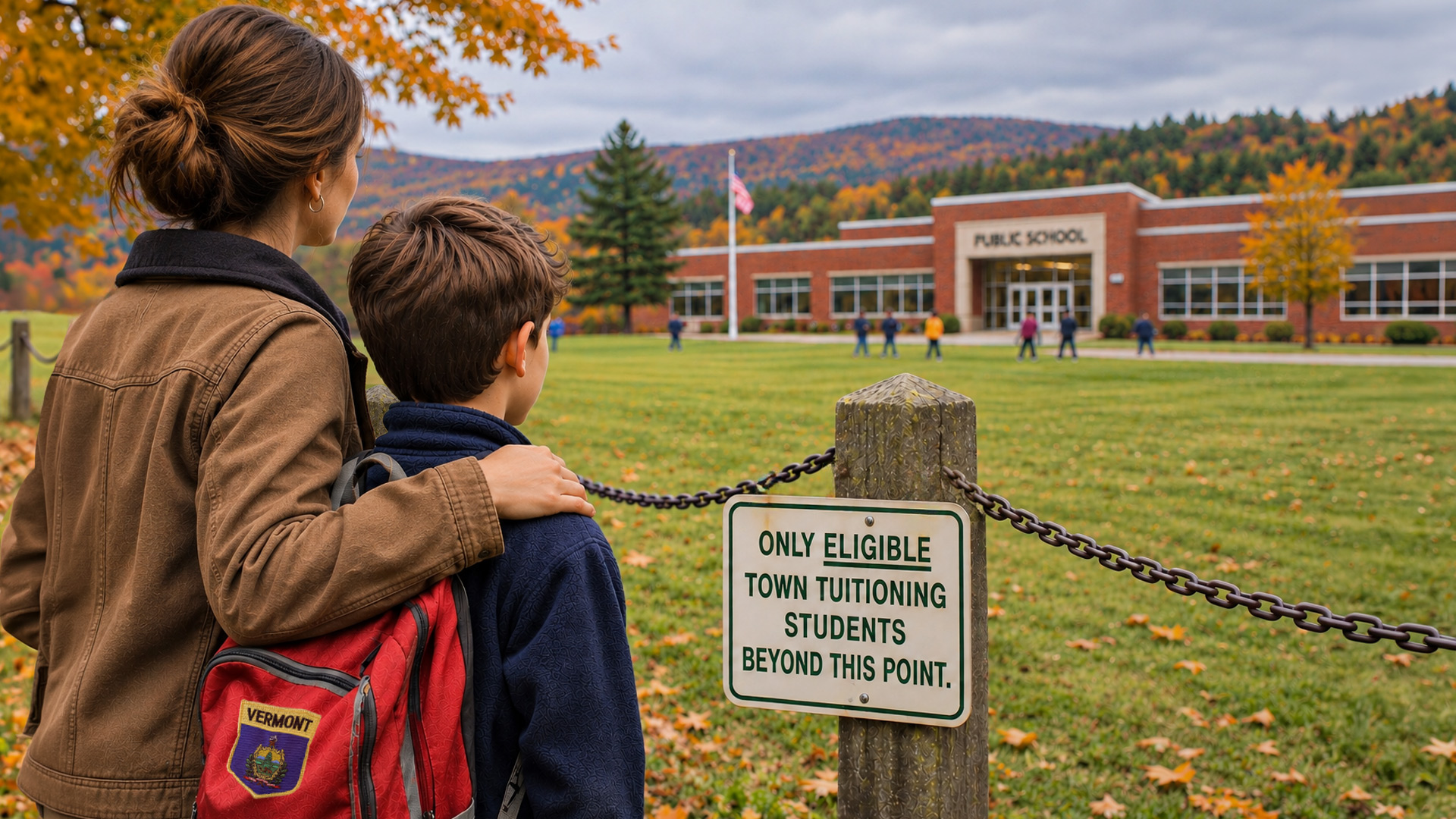
Five Vermont Families Sue State Over Exclusion from Town Tuitioning Program
“We aren’t asking the state to fund our children going to the fanciest private school in the state,”...
Theodora “Teddy” Heleotes Jensen, Salt Lake City Greek Community Fixture, Dies at 79
Theodora "Teddy" Heleotes Jensen, a fixture of Salt Lake City's Greek community for nearly eight decades, died November...

USF Defeats Tennessee State 98-71 Behind Wilson’s 22 Points and Strong Second Half
Sonny Wilson scored 22 points to lead South Florida to a 98-71 second-half surge over Tennessee State on...