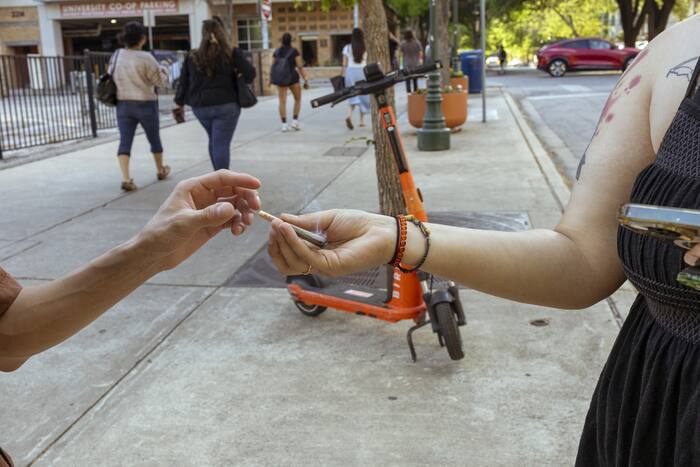
Sarah Todd, director of the Texas Cannabis Policy Center, felt a wave of optimism for an adult-use cannabis market in Texas after witnessing a projected blue wave on Election Night.
The director of the Texas Cannabis Policy Center told The Texas Tribune she went from confident to stunned on election night. Patrick is out. In his place, Todd said, “we’re going to be having a lot different conversations than we’ve ever had in the past.”
Lawmakers filed at least a dozen cannabis bills last week. Three would legalize, tax and regulate adult-use marijuana — the furthest the issue has ever advanced before a session even starts. But the bills land on a minefield.
Texas already hosts a sprawling, semi-legal hemp industry that a new federal rule is about to criminalize, a medical program fighting for oxygen, and a Senate where Republican votes are still the math that matters.
“There are Republican Senators that believe in cannabis law reform, and it remains to be seen what the environment in the Senate is going to be,” Todd said.

The $8 billion market about to vanish
Texas doesn’t have a recreational market. It has a hemp loophole. The 2018 Farm Bill legalized hemp with no more than 0.3% delta-9 THC. Entrepreneurs rushed in. The Department of State Health Services now lists about 14,000 licensed retail stores selling consumable hemp, generating roughly $300 million a year in state tax revenue, The Texas Tribune reported.
That industry — valued around $8 billion in Texas alone — faces a federal executioner next month. A funding deal passed by Congress bans hemp-derived products containing more than 0.4 milligrams of THC. Combined with new DSHS rules enforcing a 0.3% total THC limit that effectively bans smokable hemp — often half a store’s inventory — the legal high market is staring at a shutdown.
“We’re going to start working with lawmakers to repeal all of this nonsense immediately,” Lukas Gilkey, chief executive of Hometown Hero, told The Texas Tribune.
Today, Texas Democrats filed two bills to legalize recreational marijuana for everyone 21 and older, allowing possession of up to two ounces, home cultivation of 12 plants, and licensed retail sales. https://t.co/iSsq4hBMEz
Drug policy experts see the collapse as an argument for a regulated alternative. “Texas could also consider creating a more comprehensive legal cannabis market, as 24 other states have done, and allow smokable cannabis through that channel,” Katharine Neill Harris, a drug policy fellow at Rice University’s Baker Institute for Public Policy, said previously.
Three tribes, one plant
The bills from Reps. Joe Moody, D-El Paso, and John Bucy, D-Austin — both titled the Texas Regulation of Cannabis Act — sketch the outlines. Adults 21 and older could possess two ounces of cannabis and 15 grams of concentrate. Home grow: up to 12 plants. Local governments couldn’t ban businesses outright. The Texas Department of Licensing and Regulation would run the show.
Taxes are steep: 20% at retail plus sales tax, and a separate 15% on grower-to-retailer transfers. Revenue would flow to public schools, veterans’ assistance, addiction treatment and local regulation.
Todd called the bills a start but warned they repeat other states’ mistakes. “We don’t want this to look like other states,” she said, criticizing the tax burden on retailers and growers. “I think every other state that’s gone before us has made some pretty serious mistakes that have really hampered retail, specifically with overtaxation and overregulation.”
The real puzzle is coexistence. Medical license holders — Texas Original, goodblend — have clashed with hemp operators over uneven regulation. Nico Richardson welcomed the midterm results as a chance to expand the Compassionate Use Program. “As we approach the 2027 legislative session, strong safety standards for all THC products and expanded access to well-regulated medical cannabis should remain priorities,” he said.
Jervonne Singletary, spokesperson for goodblend, laid out the operational gaps. “Who will test these products and make sure consumers can trust what is on the label? What standards will apply to how cannabis is grown and manufactured? What rules make sense around packaging and advertising? And just as importantly, how do we make sure patients continue to have a medical program that works for them?” said Jervonne Singletary, a spokesperson for the Austin medical marijuana company goodblend.
Todd points to Minnesota as a model with adult-use retailers, lower-potency hemp products over the counter, and a separate high-strength medical track, saying she believes decriminalization can pass this time in tandem with an adult-use bill.
The next deadline is January
“I think that we have a real chance of getting the plant to the people,” Todd said. “We have a really big opportunity here in Texas to do it a little bit differently and to do it really sensibly.”
Related reading
Seattle Council Set to Vote on Budget Adding Millions, Fiscal Guardrails Bill Fails
The Seattle Times reported. The council’s two-day amendment marathon produced a 2,835-page agenda packet of changes that found...
Breakfast with Santa Returns to Ford Wyoming Center Dec. 12
Santa Claus is scheduled to arrive at the Ford Wyoming Center on Saturday, December 12 for the return...
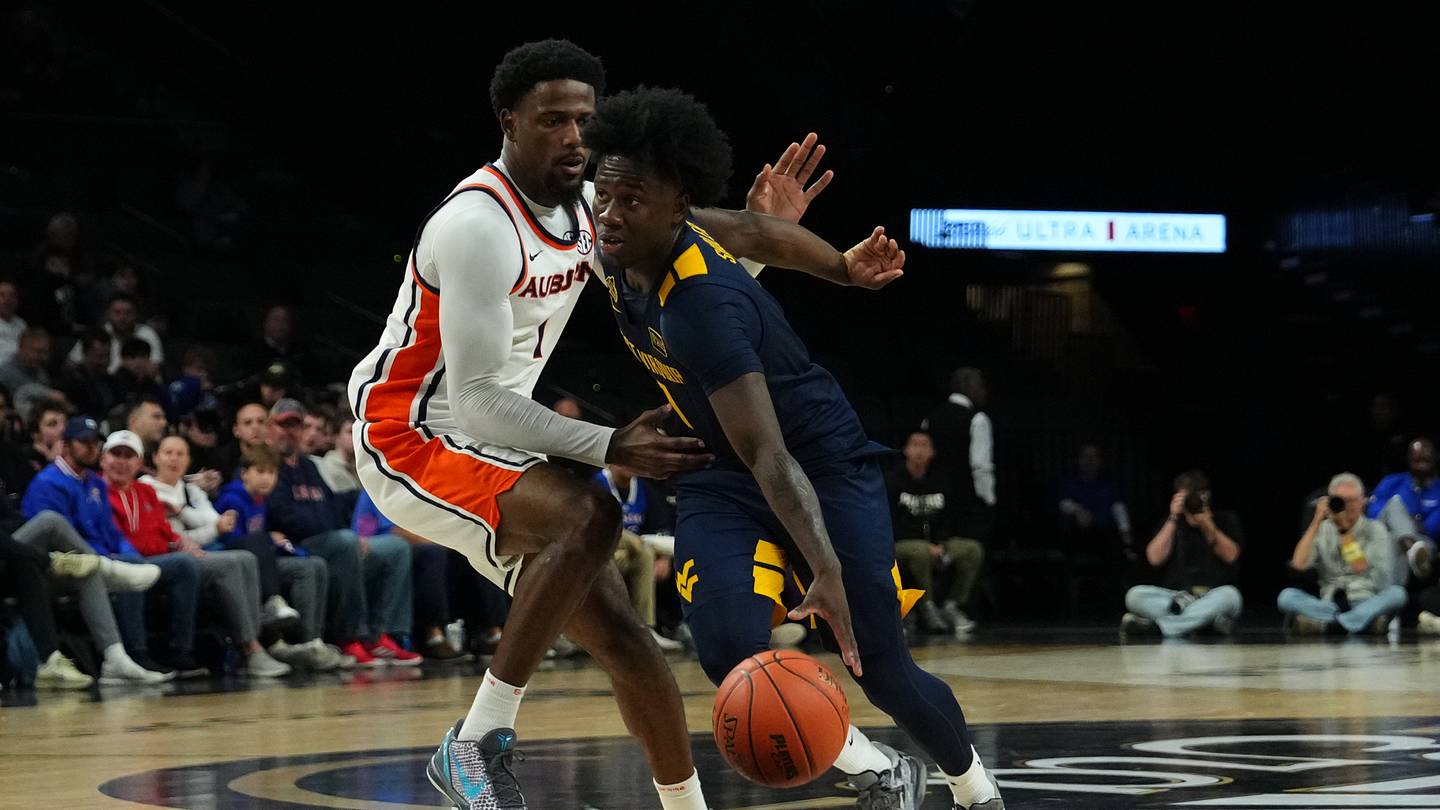
West Virginia Mountaineers Beat Auburn Tigers 76-70 in Players Era Tournament Opener
The West Virginia Mountaineers beat the Auburn Tigers 76-70 early Wednesday to win their opening-round game at the...

Del. Marty Martinez to Propose Virginia Home Rule Act to Change Dillon’s Rule
Virginia lawmakers are preparing to revisit a 19th-century legal doctrine that has long forced localities to ask Richmond...