A Huntsville Sailor Returns Home After a Historic Deployment
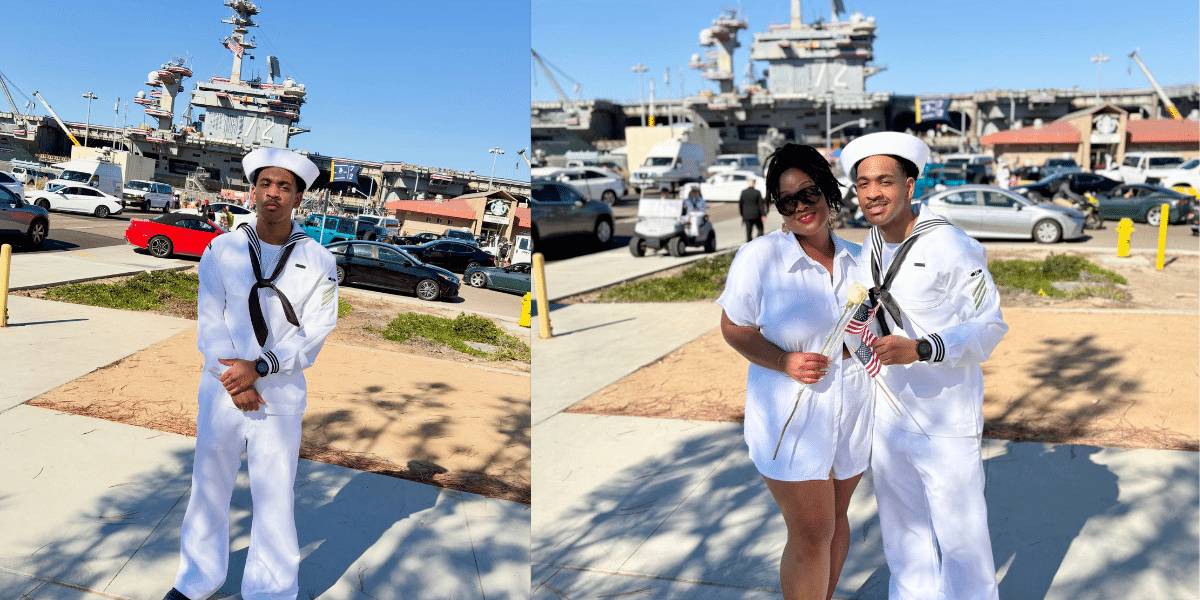
After more than 10 months away, Huntsville native Ahmad Mohammed finally stepped back onto Alabama soil on November 4, marking the end of a grueling deployment that saw him serving in some of the most challenging conditions the U.S. Navy has faced in decades. For his mother, Angel Okafor, the reunion at the airport was the culmination of nearly a year of uncertainty, prayer, and long-distance support, as 256 Today reported.
The USS Abraham Lincoln, the carrier where Mohammed served, officially returned to its homeport in San Diego on October 8. Okafor, herself a Navy veteran, was there to greet her son when the ship first pulled into port, but the November 4 arrival in Huntsville represented the first time he had truly returned home to his community. As she waited for his flight, the reality of his extended absence—and the nature of his work in an active combat zone—weighed heavily on the family.
The Reality of a 286-Day Deployment
Mohammed’s deployment was not a standard tour of duty. According to reporting from WAFF, the USS Abraham Lincoln spent 286 consecutive days at sea without a single port visit, making it the second-longest deployment for a U.S. aircraft carrier since the Vietnam War. This extended timeline was designed to support U.S. military operations against Iran, keeping the crew at a high state of readiness in a volatile region.
A U. S. Navy Sailor was injured aboard USS Abraham Lincoln (CVN 72) while the aircraft carrier was conducting flight operations in the Arabian Sea on March 25. The injury is not combat-related nor life threatening. The Sailor has been transported ashore for additional medical…
The operational tempo took a toll that went beyond simple fatigue. The Associated Press noted that the deployment drew significant attention to the stress experienced by the crew, including reports of food and hygiene supply shortages caused by the delay of resupply missions during active combat operations. WAFF further reported that the intense conditions led to broader concerns regarding the crew’s wellbeing, with at least eight reported suicide attempts during the mission.
Despite these challenges, Mohammed’s family focused on the personal connection that kept them going. Okafor described how she kept photographs of her son on the wall throughout his absence, often going days without hearing his voice due to communication blackouts required for operational security. When contact was possible, she said, her son remained remarkably resilient.
“He kept everything very positive and uplifted in his letters and his emails,” Okafor told WAFF. “I’m just going to hug on him and love on him and just enjoy him the whole time he’s on leave.”
Recognizing the Combat Mission
The scale of the carrier’s mission was officially acknowledged just before the ship returned to San Diego. On October 7, Defense Secretary Pete Hegseth presented the Presidential Unit Citation to the USS Abraham Lincoln and its accompanying ships in recognition of their combat operations. This high-level recognition underscores the intensity of the environment in which sailors like Mohammed operated, a reality that often felt abstract to those waiting back in Alabama.
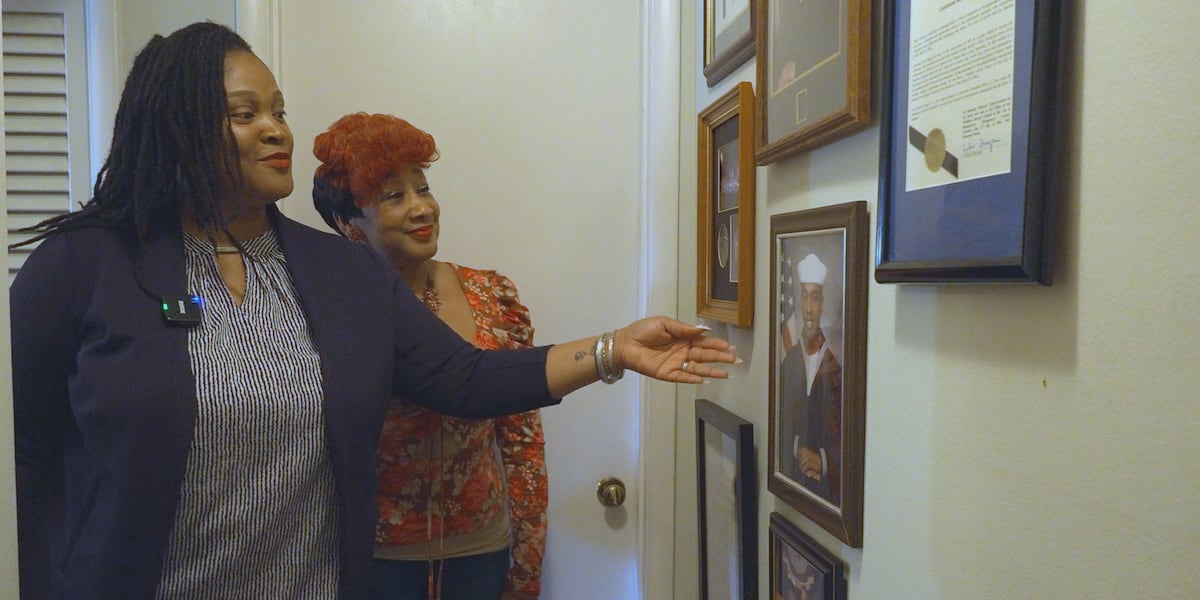
For Mohammed’s grandmother, Theresa, the news of the award and the nature of the mission were difficult to reconcile with the grandson she affectionately calls “my pumpkin.” She told WAFF that she leaned on her faith to navigate the fear of having a family member in a war zone, praying daily for his safe return.
Looking Ahead to Leave
With his homecoming complete, Mohammed now enters a period of transition. He has approximately one month of leave before he is scheduled to report back for duty. For Okafor, this time is about reclaiming the simple, everyday moments that were lost to the deployment—home-cooked meals, time with friends, and the relief of having her son back in the Huntsville community.
The return of the USS Abraham Lincoln marks the end of a historic and demanding chapter for its crew, but for the families in Huntsville, the focus remains on the immediate joy of reunion and the process of adjusting to life after a year of separation. As the crew of the Lincoln begins their own period of recovery and shore-based operations, the broader questions regarding the sustainability of such extended, high-tempo deployments continue to be a subject of discussion within the military and the public alike.
Keep reading

Sun Valley Museum of Art to hold guided writing workshop with Martha Williams
Art Sparks: A Writing Workshop at the Sun Valley Museum of Art The Sun Valley Museum of Art...

Why Jon Ossoff Is a Potential 2028 Democratic Presidential Contender
Following a difficult 2026 midterm cycle for the Republican Party, Senator Jon Ossoff of Georgia has emerged as...
Retiring in Wilmington, NC: Cost of Living and Rising Insurance Risks
The Rising Cost of Coastal Retirement in Wilmington Retiring in Wilmington, North Carolina, offers a familiar allure: a...

Cardinals Reject Denver Broncos Trade Interest in Trey McBride
The Broncos’ Bold Inquiry for Trey McBride The Denver Broncos are currently sitting at 6-2, comfortably leading the...