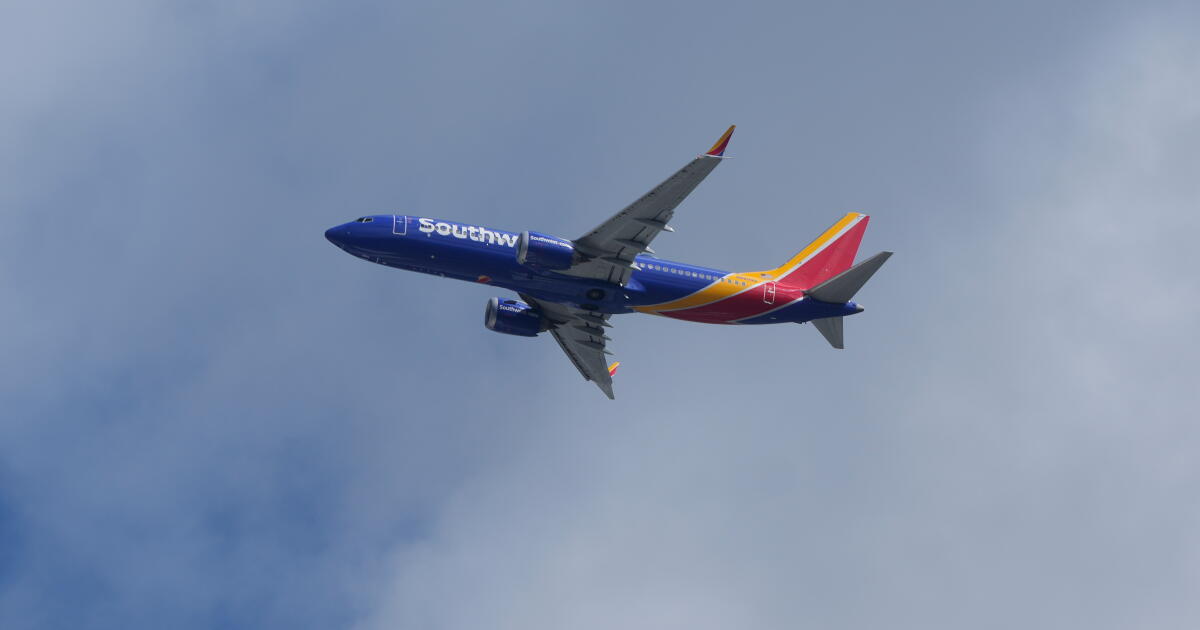
Southwest Flight 3396 Diverts to LAX After Engine Issue
Southwest Airlines Flight 3396 declared a general emergency shortly after departing from John Wayne Airport in Santa Ana on Friday morning, forcing an unscheduled landing at Los Angeles International Airport. The flight, which was originally bound for San José Mineta International Airport, stopped its climb at approximately 20,000 feet before rerouting to the coast.
Air traffic data from FlightAware confirms the aircraft began broadcasting the 7700 squawk code—the universal signal for an in-flight emergency—shortly after its 11:30 a.m. takeoff. The flight remained in the air for just under an hour before touching down safely on Runway 25L at LAX at approximately 12:25 p.m., according to official statements from the airport and the Federal Aviation Administration.
Maintenance Indications Trigger Emergency Protocols
The decision to divert was prompted by technical warnings received by the flight crew. In a statement provided to the media, Southwest Airlines confirmed that the pilots received an “engine-related maintenance indication” while the aircraft was in transit. This specific alert requires flight crews to follow standard safety protocols that prioritize immediate landing at the nearest suitable airport, regardless of the flight’s original destination.
The Los Angeles Times reported that the flight landed without incident, and there were no reports of injuries to passengers or crew. The FAA is currently reviewing the circumstances of the flight, as is standard procedure for any incident involving a declared emergency and subsequent diversion.
Operational Context and Safety Standards
While an emergency declaration is a serious event, it serves as a functional tool within the National Airspace System to ensure that air traffic controllers provide priority handling to aircraft experiencing technical difficulties. When a pilot “squawks 7700,” it alerts all ground controllers to provide clear paths and emergency services, a mechanism designed to minimize the time an aircraft remains in the air during a maintenance event.

For passengers, such events highlight the redundancy built into modern commercial aviation. Airlines are required to maintain strict adherence to maintenance logs, and pilots are trained to favor conservative decision-making when an engine indication light illuminates. While the inconvenience of an unscheduled landing is significant for those traveling between Orange County and San Jose, the primary objective of both the crew and the airline remains the preservation of the flight’s safety envelope.
The situation remains a developing story as maintenance teams at LAX evaluate the aircraft. Further updates regarding the nature of the specific maintenance indication or the status of the affected aircraft are expected to be released as the FAA and Southwest Airlines conclude their respective reviews of the incident.
Worth a look

Sun Valley Museum of Art to hold guided writing workshop with Martha Williams
Art Sparks: A Writing Workshop at the Sun Valley Museum of Art The Sun Valley Museum of Art...

Why Jon Ossoff Is a Potential 2028 Democratic Presidential Contender
Following a difficult 2026 midterm cycle for the Republican Party, Senator Jon Ossoff of Georgia has emerged as...
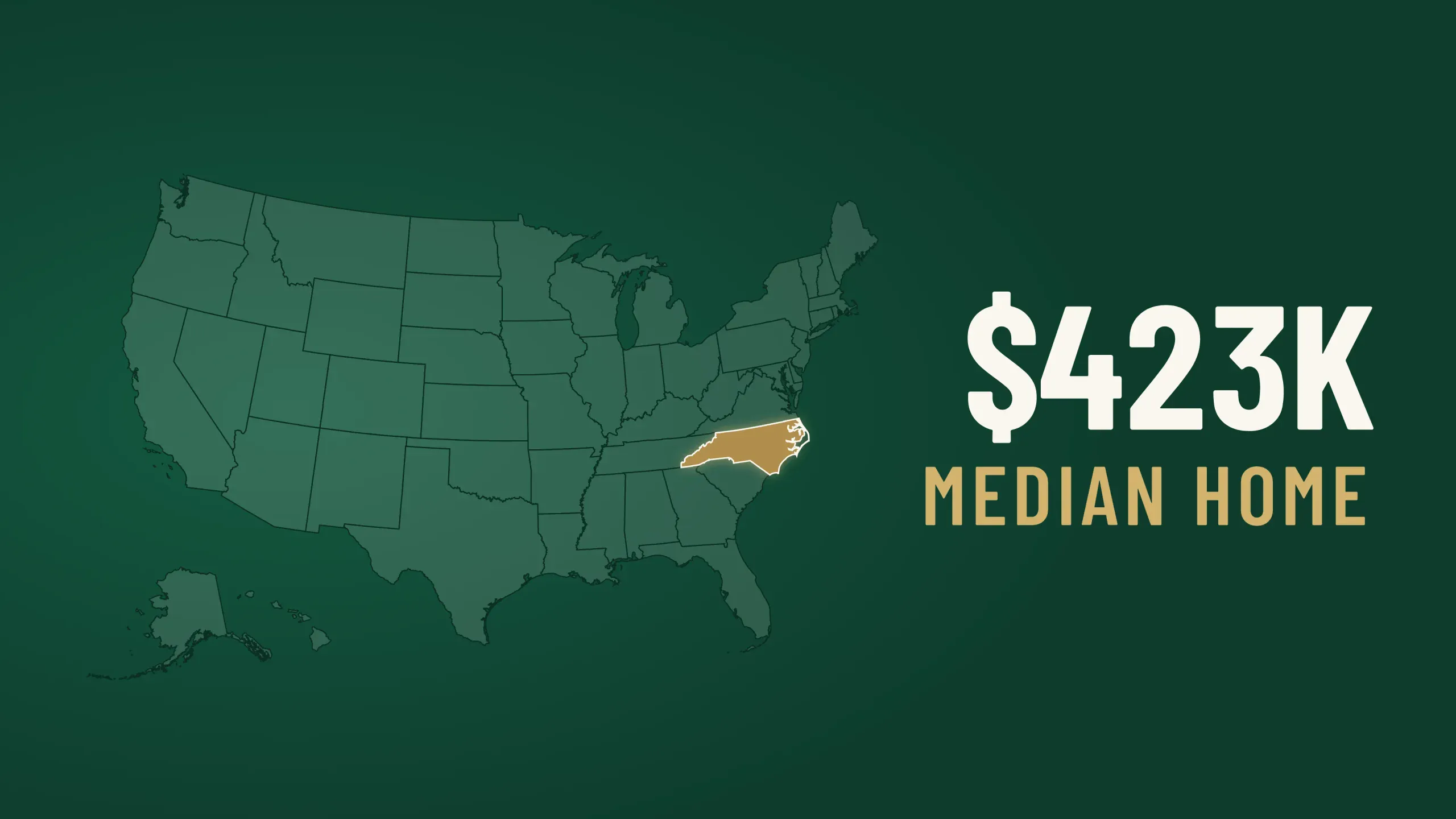
Retiring in Wilmington, NC: Cost of Living and Rising Insurance Risks
The Rising Cost of Coastal Retirement in Wilmington Retiring in Wilmington, North Carolina, offers a familiar allure: a...

Cardinals Reject Denver Broncos Trade Interest in Trey McBride
The Broncos’ Bold Inquiry for Trey McBride The Denver Broncos are currently sitting at 6-2, comfortably leading the...