
Ian Diamondstone Outlines Vermont Priorities for Windham-4 District
“These people are not stealing jobs, they are making our economy function,” Green Mountain Peace and Justice Party candidate Ian Diamondstone stated during his campaign to serve as House Rep. for the Windham-4 District, emphasizing a political platform centered on housing, education, prison reform, and support for small businesses.
Diamondstone campaigns outside the traditional two-party structure, arguing that both major political parties historically represent war and fail to meet everyday human needs. Drawing on personal experiences as an international organic spice company owner, a single parent of three for over two decades, and a caretaker for his mother, Diamondstone’s platform targets the economic pressures facing rural Vermonters dealing with low wages and high living costs.
Rural Advocacy and Immigration Stance
His rural advocacy includes working with the non-partisan coalition Rural Vermont Rising, participating in actions such as a demonstration at the Immigration and Customs Enforcement data center in Williston. Diamondstone defends immigrant labor as vital to the state’s economic infrastructure while criticizing the Vermont State House for neglecting rural communities, closing small schoolhouses, and imposing strict regulations on forestry operations and farmland owners.

To revitalize rural economies, Diamondstone champions vocational education, entrepreneur apprenticeships, and direct subsidies for small-scale local enterprises ranging from agriculture to crafting. He also raises concerns over corporate involvement in local development, pointing to affordable housing projects that bypass local contractors in favor of out-of-region building firms.
Diamondstone Proposes Redirecting Prison Spending Toward Rehabilitation
Addressing the Vermont prison system constitutes another pillar of his campaign. Diamondstone notes that approximately 1,600 people remain incarcerated in the state, with roughly one-third held without trial and another thirty percent having already served their minimum sentences. Highlighting the state expenditure of $100,000 to $134,000 annually per inmate, he advocates redirecting these funds toward rehabilitation, mental health care, and public education funding.
Worth a look

Singapore to Raise Retirement Age to 65 and Re-employment Age to 70 by 2029
On October 26, 2026, in Singapore, the Tripartite Workgroup on Senior Employment released a sweeping blueprint to address...
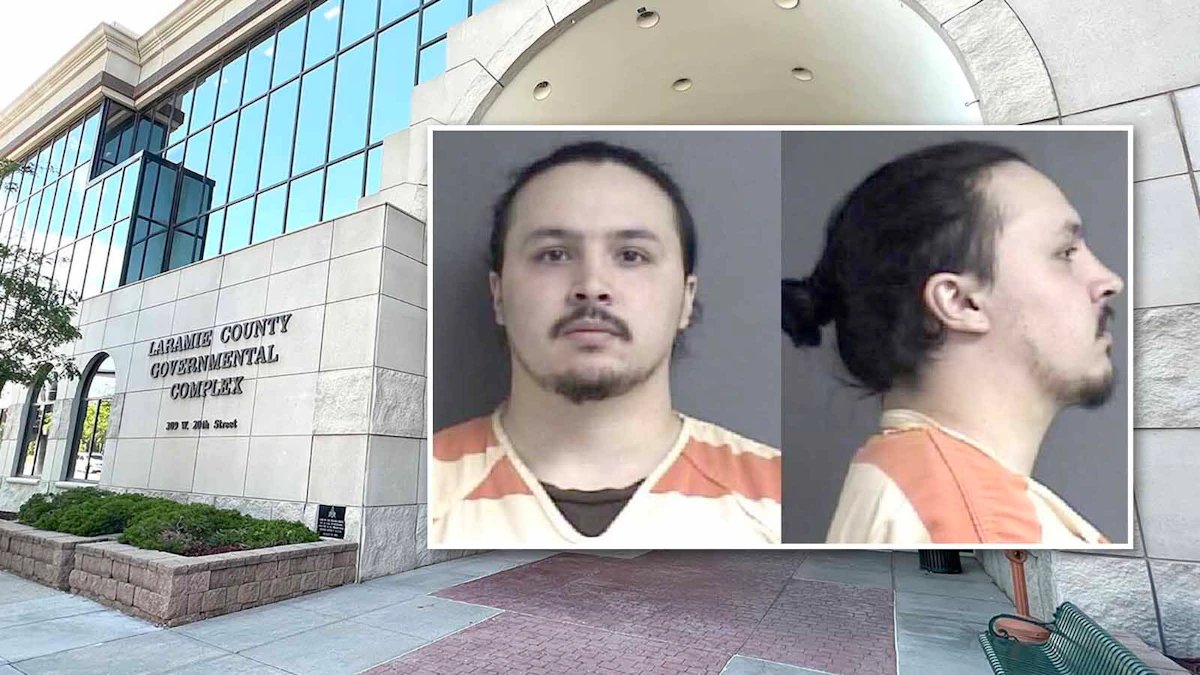
Cheyenne Man on Trial for Murder of 4-Month-Old Son Admits to Covering for Wife
On Tuesday in Laramie County District Court, 24-year-old Joseph Hanson told a jury he felt ashamed for shielding...

Brewers Watch Party Ticket Prices Surge to $270 for Game 4
Resale Prices Explode for American Family Field Watch Party Single resale tickets on StubHub for the watch party...

Four Candidates Vie for West Virginia House District 12 Seat in General Election
Four Candidates Chase West Virginia District 12 Seat in November 3 General Election Four candidates are actively campaigning...