
The International Criminal Court will open the trial of former Philippine President Rodrigo Duterte on November 30 in The Hague, its spokesperson Oriane Maillet confirmed Tuesday. Judges will first verify that Duterte understands the charges — crimes against humanity of murder and attempted murder — and ask him to enter a plea.
The ICC will try former Philippine President Rodrigo Duterte starting Nov. 30 for alleged murders during his mayoral and presidential terms from 2011 to 2019.
The proceedings mark the first time a former Asian head of state has faced trial at the ICC. Duterte was arrested on March 12, 2025, and Trial Chamber III ruled on October 8, 2026, that he is fit to stand trial, Philippine News Agency reported.
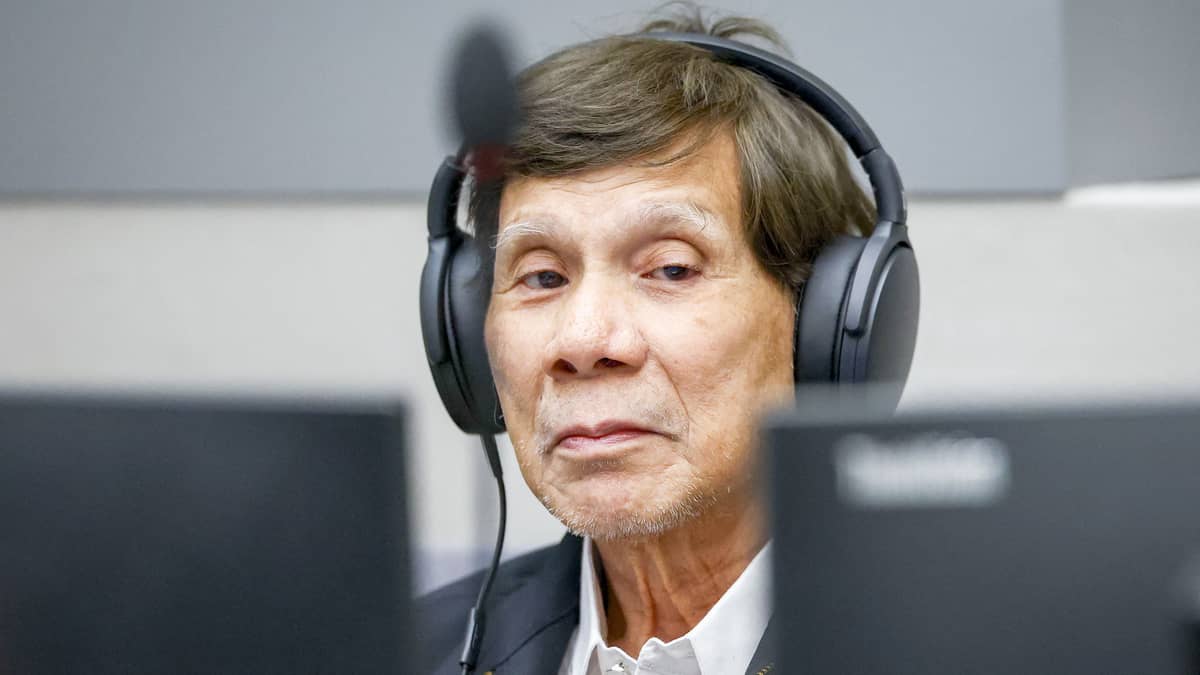
Charges cover killings from 2011 to 2019
Duterte faces three counts of crimes against humanity covering killings between November 1, 2011, and March 16, 2019. The Pre-Trial Chamber I unanimously confirmed the charges on April 23, 2026, finding “substantial grounds to believe that Mr. Duterte is criminally responsible for the crimes,” according to RAPPLER.
The alleged crimes span two periods: murders or attempted murders in or around Davao City during Duterte’s mayoral term from November 1, 2011, to June 30, 2016, and killings anywhere in the Philippines during his presidency from June 30, 2016, to March 16, 2019, ASTIG: Philippine News & Reviews reported. The charges encompass drug-war killings in Davao, deaths of alleged high-value targets during his presidency, and killings linked to police anti-drug operations nationwide.
Witnesses, victims and protective measures
The prosecution anticipates calling about 100 witnesses over the course of the trial, with the first five expected to testify before the court’s winter recess begins December 18, Maillet told Philippine News Agency. More than 500 victims have been authorized to participate through three common legal representatives.
Prosecutors have requested protective measures for 55 witnesses, including pseudonyms, voice and facial distortion, and closed sessions for 22 of them, the Daily Tribune reported. Defense lead counsel Peter Haynes opposed the closed-door testimony in a November 23 filing, arguing that “the proposed use of fully closed sessions, for so much of the evidence in this case, is not proportionate to the rights on which it infringes” and would violate Duterte’s right to a public trial under Article 67(1) of the Rome Statute.
The Common Legal Representatives of Victims — Gilbert Andres, Joel Butuyan and Paolina Massidda — backed the prosecution’s request in a November 19 filing, stating that “the pseudonym would prevent the formal identification of the witness in the proceedings, while closed session testimony would prevent the disclosure of the substantive and contextual details capable of revealing [REDACTED] identity.”
They cited “objectively justifiable risks” given the “particular political and social context” of the case, United News Ph reported.
📅 The trial of Rodrigo Roa #Duterte, for crimes against humanity allegedly committed in the #Philippines, is scheduled to open before the #ICC on 30 November 2026. Learn more➡️ https://t.co/vZmgW1yj4w pic.twitter.com/FlMGTdws34
Victim participation disputed
Sixteen of the 539 authorized victims could lose standing after Trial Chamber III’s October 9 ruling on the charged period’s scope. The chamber allowed Incidents 50 to 56 in the trial brief but rejected Incident 57 as outside the period, ASTIG: Philippine News & Reviews reported. The victims’ lawyers argue neither Pre-Trial Chamber I nor Trial Chamber III has withdrawn anyone’s authorization and asked the court to maintain the January 2026 participation framework.
Jurisdiction after withdrawal
The Philippines notified the United Nations of its withdrawal from the Rome Statute on March 14, 2018, effective March 16, 2019 — shortly after prosecutors opened a preliminary examination. Under the court’s rules, withdrawal does not erase accountability retroactively for crimes committed while the country was a member, Streamline feed reported.

US sanctions loom
Washington has pledged to dismantle the court “brick by brick” and imposed measures against individual judges and the tribunal itself, raising concerns among legal observers that Duterte’s trial could be among the last major proceedings of its kind, Streamline feed reported, citing SBS News.
The trial will resume on January 11, 2027, after the winter break. Hearings on opening day begin at 10 a.m. in The Hague (5 p.m. Philippine time), with a 30-minute delay on the ICC livestream, RAPPLER reported.
Keep reading

Cornell Researchers Engineer Ancient Viral Protein to Boost Cancer Immunity in Mice
Cornell researchers have engineered an ancient viral protein to produce extracellular vesicles that carry cancer antigens across long...


Karthigai Deepam Lit at Temple, Not Disputed Pillar, Despite Supreme Court Order
The ceremonial lamp for Karthigai Deepam was lit at the Arulmigu Uchipillayar Temple on Thiruparankundram hill Tuesday, not...

Tampa General COO Cites GLP-1 Use, Evidence Gaps at Oncology Summit
About 12% of U.S. adults now take a GLP-1 drug, and oncology leaders say patients are arriving for...