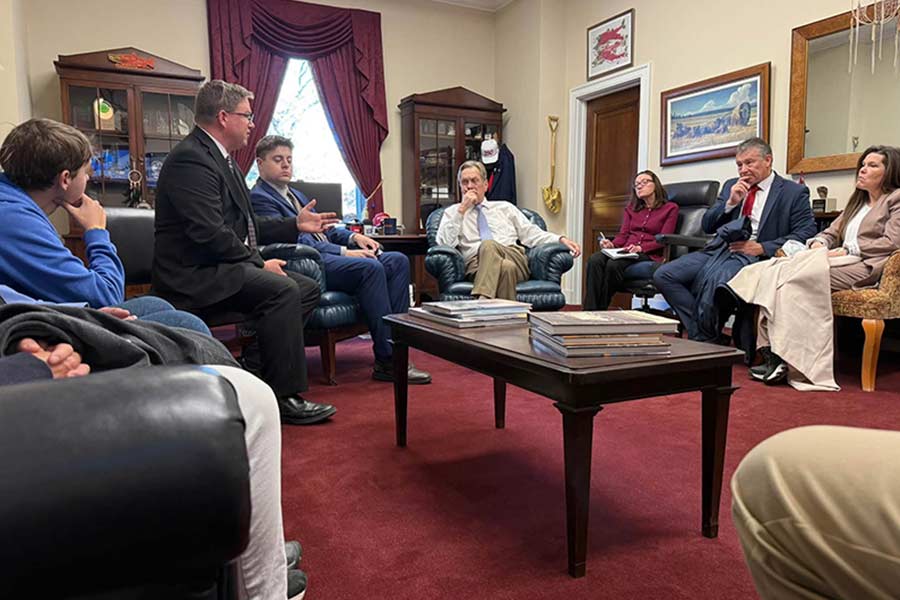
Idaho lawmakers and farmers traveled to Washington, D.C., last week to press for legislative changes that would cut reservoir permitting from 10–15 years to a maximum of two years and expand crop-insurance access for groundwater users, East Idaho News reported. The delegation, led by Rep. Ben Fuhriman, R-Shelley, met with the state’s congressional delegation after a nationwide air-travel shutdown prevented many lawmakers from returning home.
Sen. Kevin Cook, R-Idaho Falls, organized the two-day trip but did not attend for personal reasons. A similar visit last year ended with lawmakers being told to build more public support and return with a specific request, East Idaho News reported.
Permitting bill becomes top priority
The group’s primary focus was the Bipartisan American Affordability and Jobs Act, which passed the U.S. Senate on Thursday by a 62–33 vote. Both of Idaho’s senators, Jim Risch and Mike Crapo, supported the measure, which now moves to the House. The bill aims to accelerate permitting reviews for power plants, transmission lines and other energy infrastructure.
“This is an extremely important bill to be able to help us even get to the point where we can build another dam. Right now, building a new reservoir can be anywhere from 10-15 years just in the permitting process. This new bill would bring that down to two years maximum,” Fuhriman told East Idaho News.
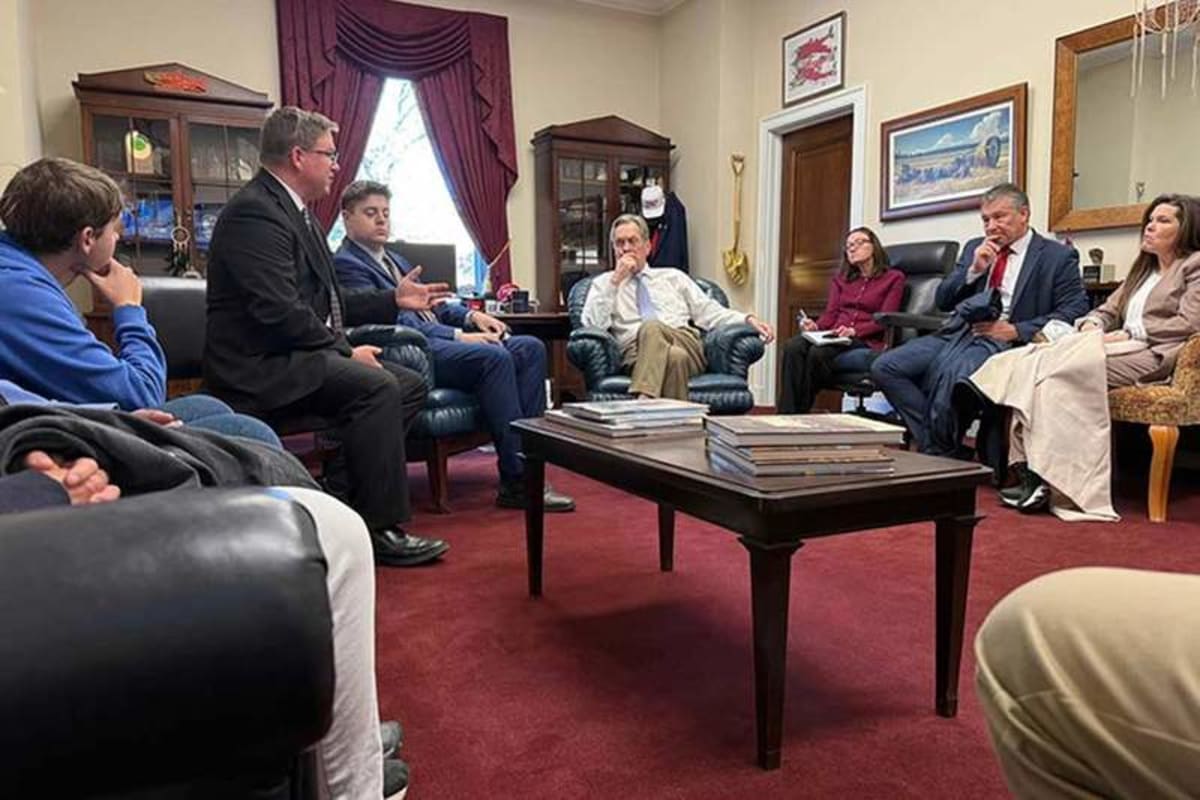
Cook had previously said the goal was to seek funding to expand American Falls and Minidoka dams as part of a long-term target to add 750,000 acre-feet of storage by 2100, but Fuhriman said those projects were not the focus of this trip. “There’s a lot of things that need to happen before we talk about money and those were some of the things we were really focused on,” he said.
Crop insurance, tax fix and drought program discussed
The delegation also raised three other issues. Groundwater users currently lack access to the federal Prevented Planting crop-insurance program, which compensates growers when drought prevents planting. Brian Murdock, who farms 2,000 acres near Blackfoot, said users want that changed, East Idaho News reported.
Fuhriman said incoming state and federal funds once classified as grants are now treated as income because of a loophole, threatening the nonprofit status of canal companies and water districts. He also outlined the Drought Recovery Incentive Program (DRIP), which would treat drought as a natural disaster and pay growers to temporarily fallow land.
“We never know how much rain and snow we’re going to get until mid-season, and by then, farmers already have crops in the ground, and they end up pumping more than they should, and that hurts the aquifer,” Fuhriman said. “We’d like to tell farmers, ‘Here’s some compensation for you not to farm … for a temporary period of time and let the aquifer recover.'”
Delegation asks for unified Idaho voice
Fuhriman said each member of the congressional delegation was receptive. Sen. Crapo agreed to introduce legislation on the tax and crop-insurance issues. Beyond that, lawmakers delivered a shared message: “Their big ask is to bring this as a group so that there is one voice and one mission,” Fuhriman said. “Our Congressmen want to help us, but they can’t be pulled in three or four different directions. They need one voice, one representative who says, ‘This is what Idaho wants.'”
Staff will refine the DRIP proposal for potential legislative action. Fuhriman acknowledged political uncertainty but said he was encouraged by the federal delegation’s optimism. “This is not their first rodeo as control of Congress changes hands,” Murdock wrote on Facebook after the trip.
Rep. Mike Simpson’s office called the meeting “productive” and said water remains a top priority. Sen. Crapo said hearing directly from those affected “provides invaluable perspective as we work together to address issues important to our state.”
Keep reading

EPA, Officials Inspect Kalaeloa Shoreline After 403K-Gallon H-POWER Spill
An estimated 403,000 gallons of diesel fuel leaked from an underground pipeline at Honolulu's city-owned H-POWER waste-to-energy plant...
Former Idaho Lawmaker Branden Durst Out at Brabeion Academy Amid Financial Probe
Branden Durst is no longer employed at Brabeion Academy, the Nampa charter school he opened in August, less...
Boyle Elected NATO PA President by North Atlantic Council, Pledges Alliance Unity
Boyle leads an assembly representing 32 NATO member nations. He pledged unwavering support for Ukraine ahead of the...
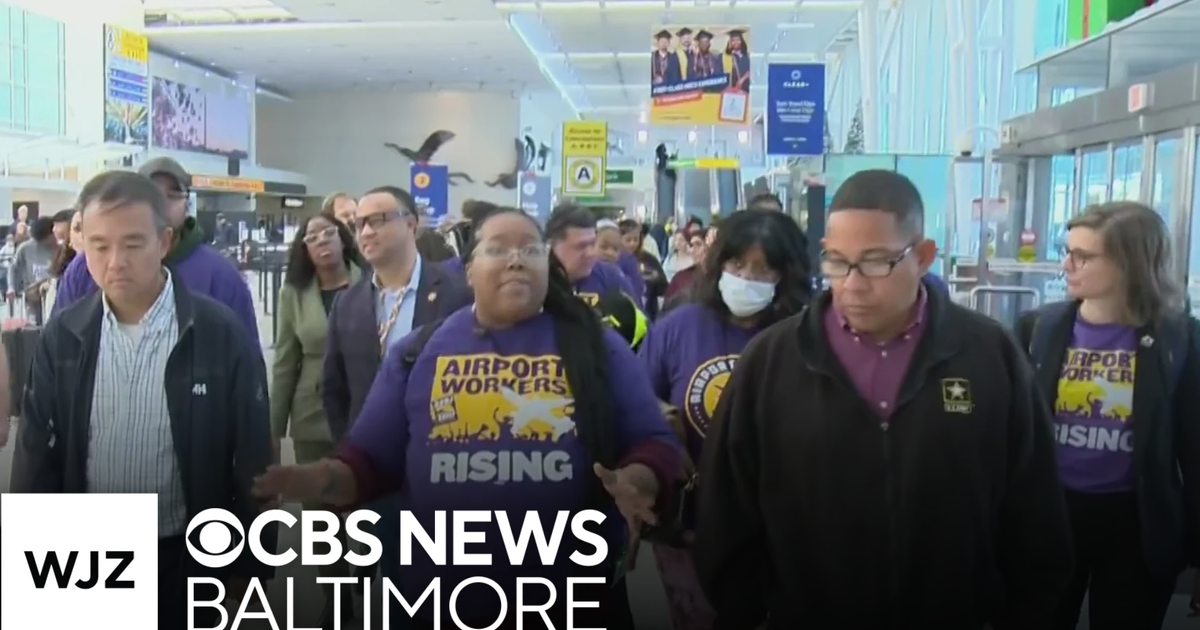
Maryland Lawmakers Tour BWI With Indirect Contract Workers Pushing for Higher Wages, 2027 Legislation
The visit comes as Gov. Wes Moore prepares emergency legislation to raise the minimum wage for indirect contract...