Montgomery County is recruiting students to serve as youth ambassadors for BTheOne, a program that began in 2017 as a suicide-prevention campaign and has since expanded to address substance misuse, mental health awareness and overall wellness, according to the Montgomery County Department of Health and Human Services.
The BTheOne Ambassador Program is a youth-led, adult-guided initiative open to students throughout Montgomery County, the Montgomery County Volunteer Center lists. Ambassadors help lead awareness efforts, participate in community outreach, support prevention initiatives and serve as advocates for positive change. Students also have the opportunity to become trained in administering Narcan and to educate peers on overdose prevention.
Participants earn Student Service Learning hours for meetings, events and other approved activities, the Volunteer Center says. The program requires a consistent time commitment and seeks students who are motivated to remain actively involved.
The campaign originated at Walt Whitman High School in Bethesda, where a student named Ray — who identifies as a BTheOne ambassador — began working with the effort during senior year as part of the Student Government Association’s mental health awareness work, the Department of Health and Human Services reports.
“Adults see the impact that these issues have on youth, but you live it,” Ray wrote. “You’re connected to the peers around you, and you can BTheOne to help them.”

The program operates on two levels. Level 1 ambassadors spread the message via social media using digital posters and animated content provided on the BTheOne.org website under the “Act” tab. Level 2 ambassadors lead activities and campaigns such as group mindfulness sessions, creation of self-soothing kits and other student-designed awareness events. “Anything you do to help us is far more powerful than anything an adult can do,” Ray wrote.
Student ambassador outlines peer-led outreach strategy
Ray, a student ambassador for BTheOne.org, said the campaign began in 2017 as a coalition of organizations and government agencies working to prevent suicide, mental health concerns and substance misuse in teenagers. Ray explained the group lacks advertising funds and struggles to reach students through school posters alone.
Ray wrote that adults see the impact of these issues on youth, but students live it and are connected to peers in ways that make their advocacy far more powerful than anything an adult can do.
Digital materials designed for social media sharing
Ray said the campaign provides digital posters and animated content under the “Act” tab of its website that are designed to fit perfectly on a phone screen. The materials are either videos or images that “dance and animate and fill your screen,” and students are asked to post them to personal Instagram or Snapchat stories.
Ray said that when club members share the posts, they become effective ways to raise awareness because friends trust each other and some teenagers have hundreds or thousands of followers around their age. Ray added that the group welcomes student-created public service announcements and will add them to the website if submitted.
Nonprofit sets SSL hours based on submitted evidence
The nonprofit organization will determine the number of Student Service Learning hours awarded based on the evidence submitted, according to the Montgomery County Volunteer Center listing. Parents and guardians are directed to contact the nonprofit directly with any questions or concerns about the service activity.
The listing notes that student participation is at the discretion of the parent or guardian and that the nonprofit is responsible for maintaining student safety and privacy during all interactions.
Montgomery County Department of Health and Human Services runs the BTheOne program exclusively, according to its own pages, and uses the initiative to train high school students as ambassadors for mental health, substance use and suicide prevention outreach. The department reported that since the program’s 2017 launch, BTheOne has reached students at 17 public and private schools, trained more than 700 peers in life-saving response and generated about 1 million social media impressions.
Program leaders discussed the effort at County Executive Marc Elrich’s weekly media briefing in July to commemorate National Minority Mental Health Awareness Month, emphasizing intentional recruitment of ambassadors from across the county who understand the cultures shaping mental health in their own communities.
Applications are submitted through an online form, and a parent or guardian must provide written approval for a student’s participation in virtual platforms before volunteering begins, the Volunteer Center notes. Students must use personal accounts — not Montgomery County Public Schools accounts — for virtual engagement, which occurs under the direct supervision of a nonprofit supervisor at all times. Virtual sessions are not recorded, and personally identifying information is protected.
Related reading

EPA, Officials Inspect Kalaeloa Shoreline After 403K-Gallon H-POWER Spill
An estimated 403,000 gallons of diesel fuel leaked from an underground pipeline at Honolulu's city-owned H-POWER waste-to-energy plant...
Former Idaho Lawmaker Branden Durst Out at Brabeion Academy Amid Financial Probe
Branden Durst is no longer employed at Brabeion Academy, the Nampa charter school he opened in August, less...
Boyle Elected NATO PA President by North Atlantic Council, Pledges Alliance Unity
Boyle leads an assembly representing 32 NATO member nations. He pledged unwavering support for Ukraine ahead of the...
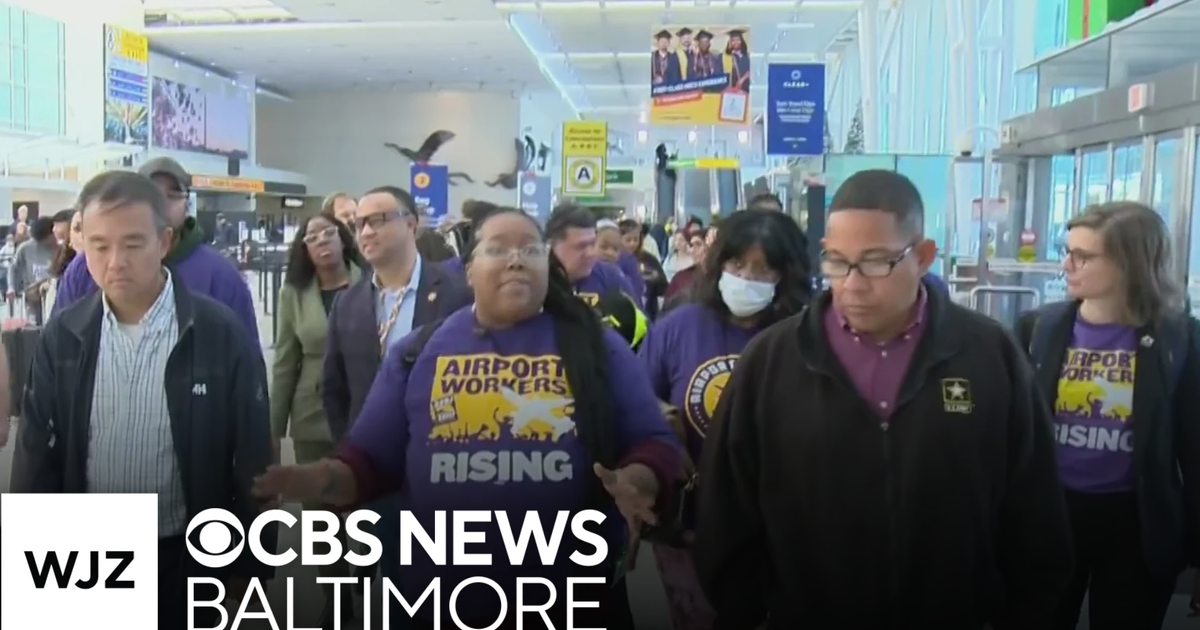
Maryland Lawmakers Tour BWI With Indirect Contract Workers Pushing for Higher Wages, 2027 Legislation
The visit comes as Gov. Wes Moore prepares emergency legislation to raise the minimum wage for indirect contract...