
Idaho secured 15 undergraduate medical school seats for the next four years through federal rural health transformation grants, state officials said late last week.
Jennifer White, executive director for the Idaho State Board of Education, told lawmakers the seats are funded year over year for each student’s four-year education. The WWAMI partnership added five seats and the Idaho College of Osteopathic Medicine dedicated 10 spots, Boise State Public Radio reported.
Each student will be required to practice medicine in Idaho for five years after graduation. “We see that as an injection of support and infrastructure for the state as well,” White said.
Legislators had hoped to use the Rural Health Transformation grant to cover graduate residency and clinical rotations already funded by state taxpayers, freeing money for undergraduate slots. White said federal rules barred that approach because it would supplant state funds.
The board directed nearly $5.5 million toward graduate medical education instead.
Of that, $3.1 million created new fellowships in obstetrics, endoscopy and rural emergency medicine. The remainder funded new training programs for existing residencies and new facilities and rotation sites.
More broadly, state health officials allocated over half of first-year grant funding — $103.5 million — toward rural health infrastructure and partnerships. Applicants from Idaho and Clearwater counties, two of the most rural and remote counties in the state, received the largest share of awards at 20 and 12 respectively.
Ada County, the state’s most populous, received zero grants in the initial year.
The state received $182.7 million for the program’s second year, down about $3 million from the initial award. Idaho Department of Health and Welfare Director Juliet Charon said she is waiting to hear from the Centers for Medicare and Medicaid Services why funding was reduced.
Keep reading
- Jared Spurgeon Passes Mikko Koivu for Wild Games-Played Record in Win Over Sharks
- Tennessee Leapfrogs Alabama to No. 5 in Latest CFP Rankings, Hosting Boise State Projected
- Trump Urges DOJ to Speed Federal Executions, Targets Newsom Commutations (archyde.com)
- Thomas Markle indicted on two federal child sex abuse charges in Los Angeles (newsarchyuk.com)

Jared Spurgeon Passes Mikko Koivu for Wild Games-Played Record in Win Over Sharks
Minnesota Wild defenseman Jared Spurgeon became the franchise’s all-time games-played leader when he took his first shift in...

Tennessee Leapfrogs Alabama to No. 5 in Latest CFP Rankings, Hosting Boise State Projected
The College Football Playoff selection committee moved Tennessee ahead of Alabama for the first time this season, placing...
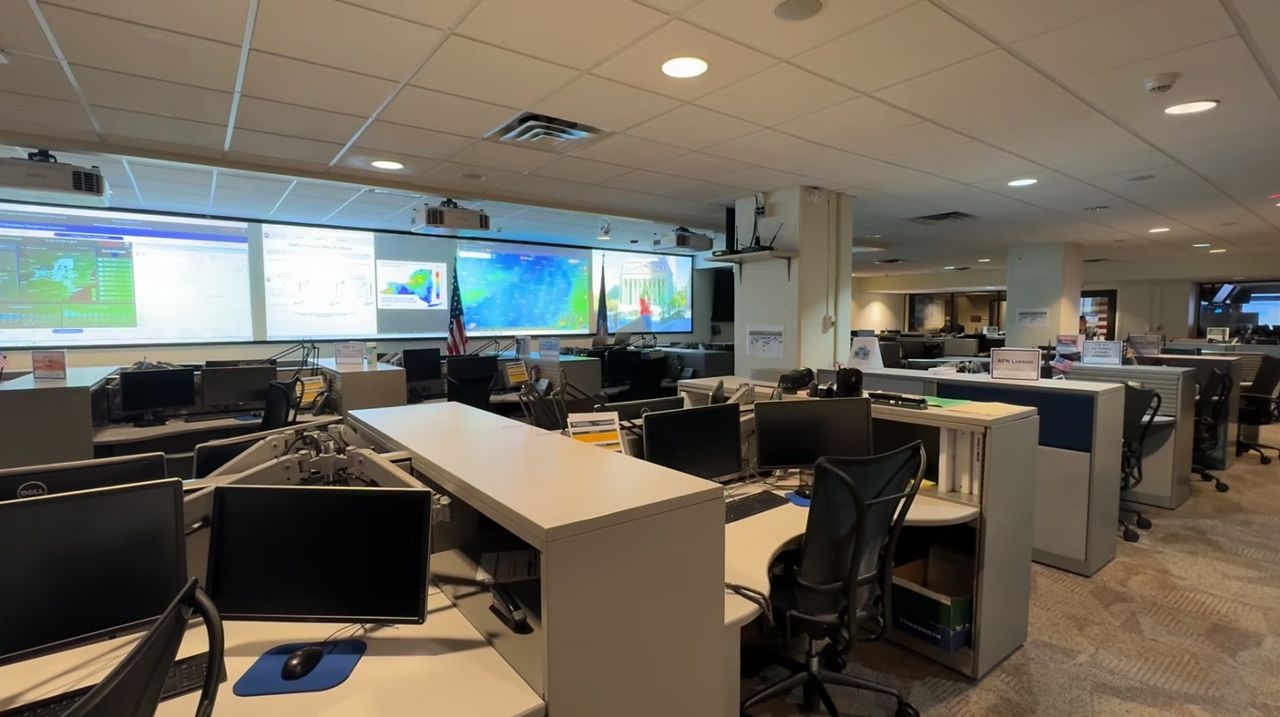
New York Officials Prepare Emergency Operations Center for El Niño Winter Storms
New York officials are preparing the state's Emergency Operations Center for an El Niño winter after last season's...

McKean County, PA 2027 Living Wage Set at $24.04 an Hour for Family of Four
The 2027 living wage for McKean County, Pennsylvania, is set at $24.04 an hour per worker for a...