
A ‘Gutting’ Loss for Idaho: Abortion Rights Initiative Fails
Idaho’s effort to restore abortion rights Tuesday was dealt a “tremendous, frankly gutting, loss,” according to the leader of the campaign that pushed for it. With all votes counted, Proposition 1, the Reproductive Freedom and Privacy Act, failed by a margin of 55.9% to 44.1%, a gap of more than 85,000 votes, Boise State Public Radio reported.
The defeat means Idaho will retain one of the most restrictive abortion bans in the nation. Under the current law, physicians can only provide terminations in cases of rape, incest, or when the mother’s life is in danger. The measure would have legalized abortion up to the point of fetal viability or in medical emergencies.
The fight over Prop 1 was a high-stakes battle that drew record-breaking fundraising and intense legal challenges. Idahoans United for Women and Families, the group behind the initiative, raised $4.9 million from 7,500 contributions, while the opposing group, Too Extreme for Idaho, raised $4.6 million from about 300 donations, including $1.3 million from The Church of Jesus Christ of Latter-Day Saints and the Catholic Diocese, according to the Idaho Statesman.
What the Results Show
Unofficial results show that Idahoans rejected Prop 1, a ballot initiative that would have restored abortion rights in the state. The initiative was winning handily in Ada County, Idaho’s most populous, with 57.2% of the vote. But as results trickled in from other, more rural counties, the “No” vote surged, a pattern that anti-abortion campaigners said they expected.
“This is how it plays out every election cycle, and it brings a bit of panic,” Tom Luna, a board member of the campaign against Prop 1, told the Idaho Statesman. “You see this huge deficit, and you know from experience that it will turn around.”
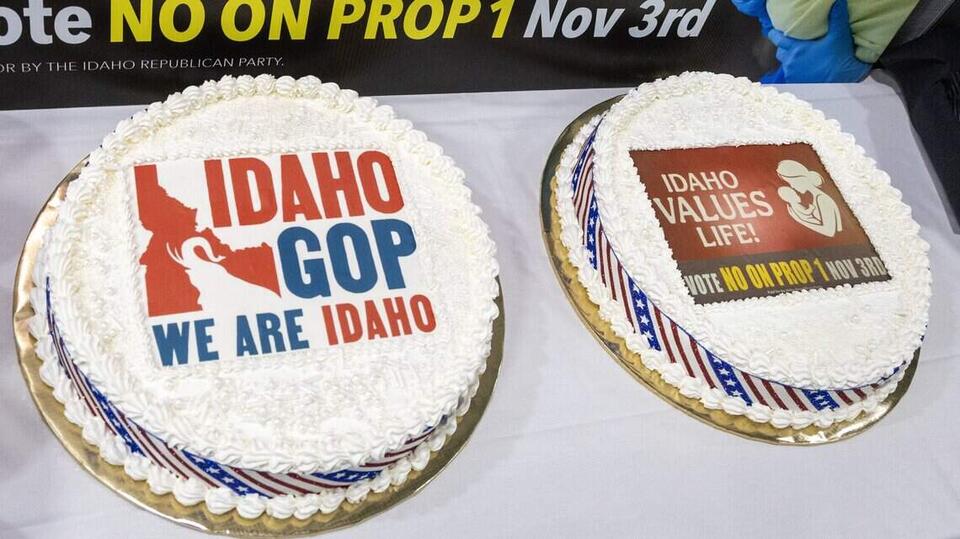
The final tally showed nearly 319,000 Idahoans voted in favor of the initiative, while about 405,000 cast ballots against it. In total, more than 720,000 votes were counted.
The Campaigns’ Final Statements
Melanie Folwell, director of Idahoans United for Women and Families, called the loss a profound setback for women and the medical community. She accused the “Stop Prop 1” campaign of using “blatant disinformation” to sway voters.
Folwell said, “There was just only so much we could do. And the really sad reality is that everybody, no matter their political party or their background or their zip code in Idaho, will continue to pay the price.” She added that Idahoans United for Women and Families “has created an environment where women will continue to suffer needlessly under one of the most extreme abortion bans in the nation.”
Mary Strow, a spokesperson for the Too Extreme for Idaho campaign, released a statement saying, “The people of Idaho have spoken. Idaho is and will always be a state that values life and protects the unborn.”
A Tale of Two Idaho Counties
The election results highlighted a stark geographic divide. Ada County, which includes Boise, voted decisively in favor of Prop 1, a difference of 33,000 votes.
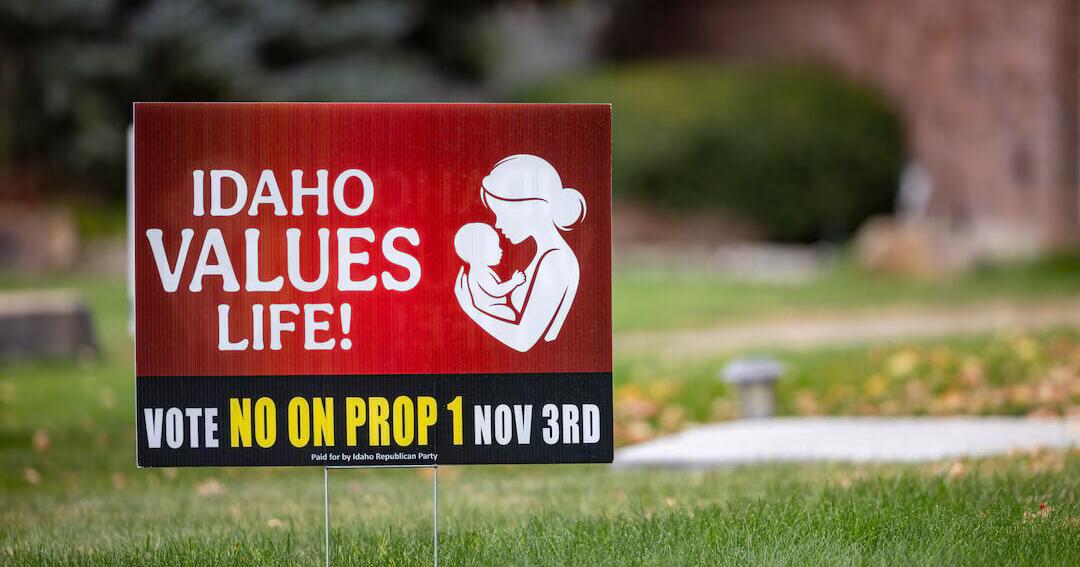
The Idaho Republican Party, which heavily publicized its opposition to the initiative, saw the results as a win. Idaho GOP Chairwoman Dorothy Moon told the Statesman that opposition to Prop 1 was a “main driver” of Republican voter turnout this election.
The Human Cost of the Ban
Folwell, the Yes on Prop 1 leader, emphasized that the loss would be felt most acutely by women in Idaho, particularly those planning or growing their families. She argued that the state’s current ban endangers pregnant women and forces them to suffer needlessly.
The campaign drew significant attention from the medical community. Nearly 400 doctors signed a letter stating that Idaho’s abortion ban endangers pregnant women. In contrast, about 100 other doctors signed a separate letter arguing that the wording of Prop 1 would go too far in expanding abortion access, showing a deep split among medical professionals on the issue.
The fight over Prop 1 also led to legal action. Opponents attempted to block the initiative’s TV advertising, claiming it was funded illegally, but a Canyon County judge ruled they had presented “insufficient evidence.”
For a state that often champions a distrust of big government, Folwell offered a pointed critique: “For a state that claims to distrust big government, there is no greater hypocrisy than keeping politicians in the exam room.”
Worth a look

Alabama Power Seeks Restraining Order Against Calera Property Owner
Alabama Power is asking a Shelby County judge to keep a Calera property owner at least 300 feet...

Pipefitter Wins Boston Logan Airport Voice Contest
A Massachusetts pipefitter has been selected as the new voice of Boston Logan International Airport, a role that...
2 Ranches Show How History Thrives in National Parks
Three National Parks Where History Still Rides on Horseback Imagine a national park where a working ranch predates...

Wisconsin Policy Forum highlights Madison’s 2027 budget pressures
Ahead of Vote, Madison's 2027 Budget Balances Services and Pressures As the Common Council prepares for next week's...