Three National Parks Where History Still Rides on Horseback
Imagine a national park where a working ranch predates the park itself, a place where cowboy culture isn’t a reenactment but a living, breathing part of the landscape. This isn’t a scene from a John Wayne movie; it’s the reality at three extraordinary sites across the American West. These aren’t just tourist attractions—they are living museums that prove wilderness and work can coexist, offering a glimpse into a history the National Park Service itself is charged with preserving.
What makes these places so unique is their sheer improbability. In an era of fierce debates over public lands, these ranches operate under a special legal arrangement, a quiet truce between federal preservation and private enterprise. They are a testament to a bygone era, yes, but they are also forward-looking, using modern ranching techniques to conserve the very landscapes they help visitors experience. The human and economic stakes here are significant, touching on questions of heritage, conservation, and the very definition of what a national park can be.
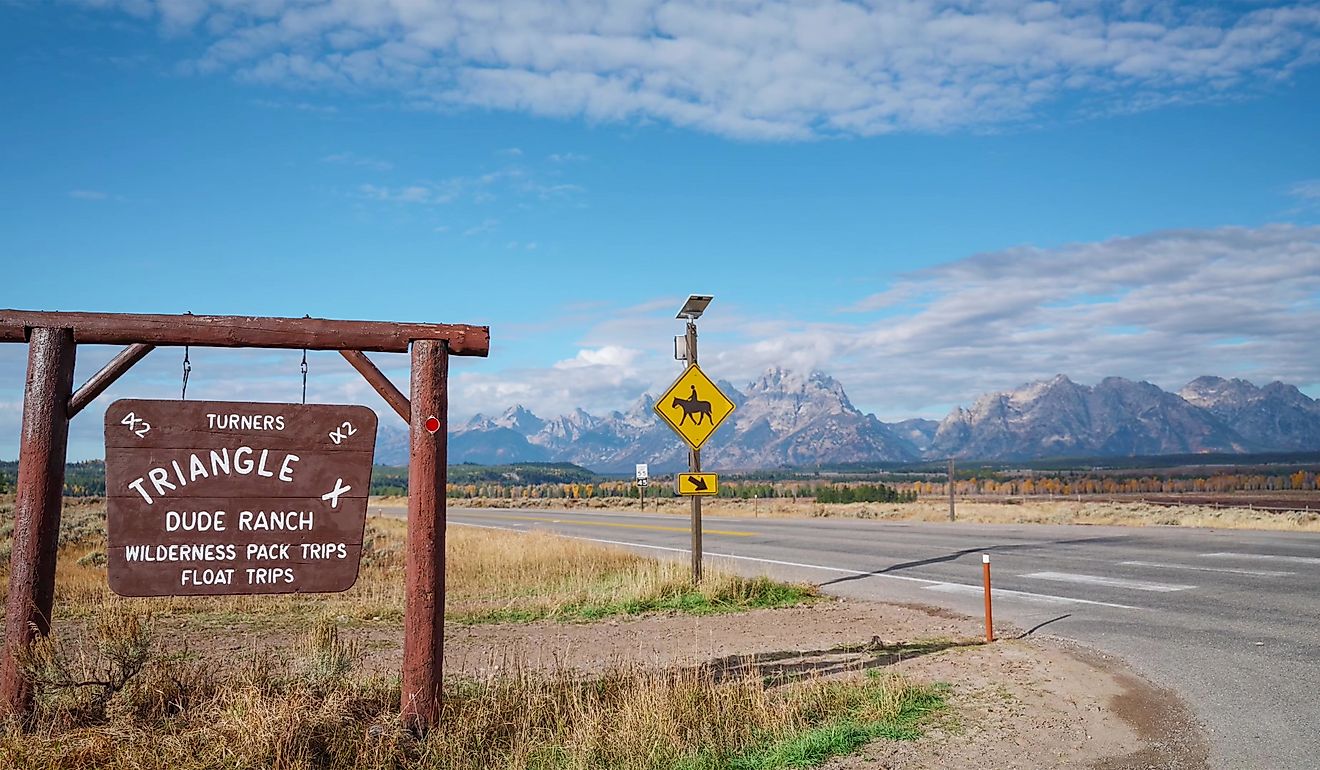
A Dude Ranch Born Before the Park: Wyoming’s Triangle X
Grand Teton National Park is a 310,000-acre wilderness of jagged peaks and pristine lakes. But within its boundaries, the Triangle X Ranch has been operating. The story begins in 1926, when John S. Turner purchased a homestead in Jackson Hole for his family. Long before Congress extended much of the Jackson Hole valley as part of Grand Teton National Park, the Turners were hosting hunters on their land. They later offered horseback riding and American West traditions to guests for a fee.

Because Triangle X Ranch already existed, it was allowed to continue operating under a federal concession arrangement. It remains the only working dude ranch inside a U.S. National Park. Today, guests can experience traditional ranch life—horseback riding, guided fishing, and other activities. The focus here is on the hospitality side of outdoor recreation while keeping Western traditions alive, not on producing meat. It’s a place where the past isn’t just remembered; it’s lived, day in and day out.
Cattle, Conservation, and a Charitable Trust: Colorado’s MacGregor Ranch
In Estes Park, Colorado, the MacGregor Ranch presents a different model of preservation. Alexander and Clara MacGregor founded the ranch in 1873, before Rocky Mountain National Park was formed in 1915. When the park’s boundaries expanded to encompass the ranch, the land did not automatically become government property.
Muriel MacGregor was the last living family member to work the property until 1970. Upon her death, she established a charitable trust with a clear mission: preserve the ranch’s history, educate young people, and maintain a working cattle business. In 1983, the National Park Service took out a conservation easement on about 1,221 acres while the land stayed privately held and safeguarded by the Muriel MacGregor Charitable Trust. Now, the ranch combines cattle ranching with hands-on education about how pioneer families lived in Colorado’s high country, providing younger generations an education in ranch labor, livestock care, and all the agricultural difficulties posed by the local weather and terrain.

Bison, Grasslands, and a Land Transfer: Colorado’s Medano-Zapata Ranch
Perhaps the most innovative example of this partnership is found at the Medano-Zapata Ranch, which overlaps with the Great Sand Dunes National Park and Preserve. The story here is one of scale and conservation strategy. Early ranchers like the Dickey brothers first settled the area in the 1860s, long before it became a National Park. For years, the area was established as a private cattle-production operation.
The modern chapter began when The Nature Conservancy purchased sections of the original ranch land, protecting it from private real estate. Subsequently, some 9,362 acres were conveyed to the National Park Service, aiding in the protection of the wildlife, wetlands, and geological dune systems. Today, the ranch is managed by Ranchlands, which combines a commercial Angus cattle operation with a sustainable conservation system. The bison herds are utilized for strategic grazing and ranching practices to preserve native grasslands and wetlands, demonstrating that productive agriculture can coexist with federal wilderness protections.
These three ranches reveal a deeper truth about America’s relationship with its land. They are more than historical curiosities; they are active experiments in balancing our past with our present needs. While carrying on traditional cattle operations, they also incorporate strategic grazing and wildlife protections to sustain native ecosystems. The relationship between a park’s conservation mission and a ranch’s operational reality is complex, but as these examples show, it can lead to a richer, more complete appreciation of the American West.
The legacy of these ranches is a living one. They prove that the National Park Service can stand for more than just untouched wilderness; it can also stand for the preservation of the working history that helped shape that wilderness in the first place.

South Dakota Mines Students Drive Medical Innovation Through First IBL Course
A Wearable Shield Against Amputation “If you have any inclination to be an inventor or start a start-up,...

Mike Lee to lose Senate committee chairmanship as Democrats gain majority
“This is one of those things that everyone is mad about when it comes to him,” Gabi Finlayson,...

Houston Weather: Rain Chances Increase This Weekend
Houston's Streak of Perfect Weather Ends, Bringing Weekend Showers Houston is basking in one more day of picture-perfect...

Gov. Kemp declares emergency in four Georgia counties amid flooding
Georgia-Tennessee Border Under Water as Rains Trangle Dozens "I've never seen flooding like this in my life," McCaysville...