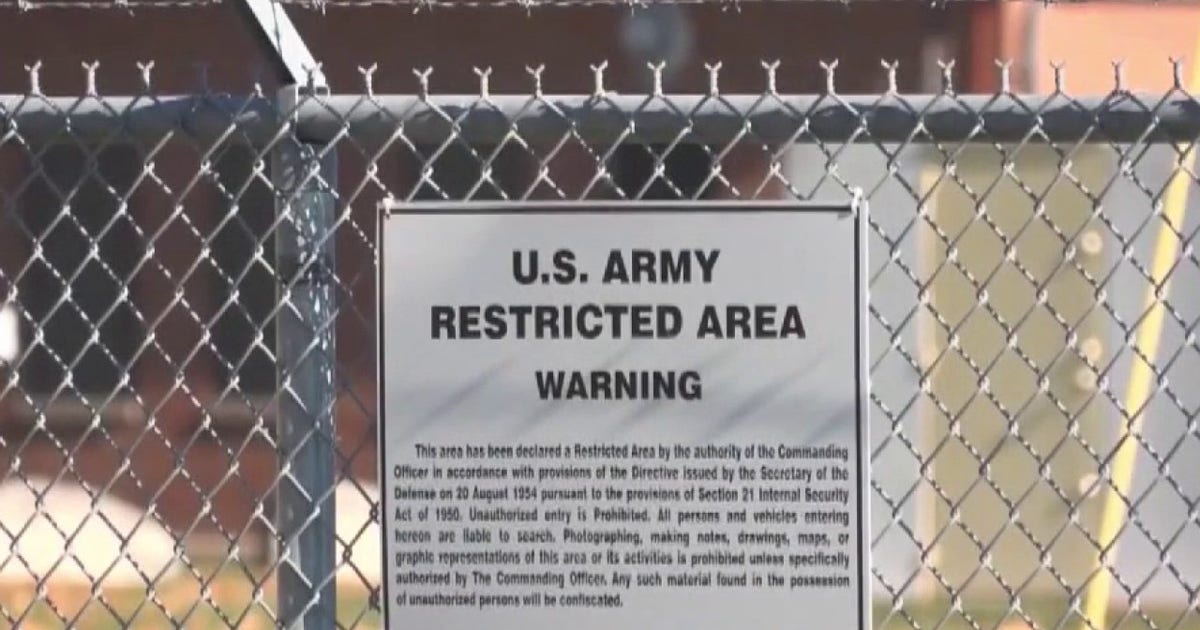
The U.S. Army plans to detonate nearly 10,000 pounds of unstable lead azide at 9 a.m. Wednesday at the Iowa Army Ammunition Plant near Burlington, about 10 miles across the Mississippi River from Illinois. Federal and state officials say current wind forecasts should push any toxic plume south into Iowa and Missouri, sparing Illinois, though they are preparing for a shift.
Acting Army Secretary Adam Telle said Tuesday that experts agree a controlled, mitigated detonation is far preferable to an uncontrolled explosion as the material grows more sensitive in cold weather. “We don’t believe that the public should be in a panic,” Telle said.
“We are very calm about this. We understand it to the best of our ability and we want to provide as much information as we can here today,” Capitol News Illinois reported.
Why the Army says it must detonate now
The stockpile, moved to Iowa in 2009, includes material more than 60 years old. In March, Army reviewers found crystallization occurring outside the water-and-ethanol barrels meant to stabilize the lead azide, making it impossible to open the lids for treatment.
Rob Cekada explained the government stopped using lead azide, an explosive material the military used to make ordnances, 15 years ago because it is sensitive and hard to maintain, and said the crystals made it impossible to take the lid off the barrels and treat it, Capitol News Illinois reported.
How the detonation will work
The material sits in two earth-covered concrete bunkers. Crews have built two-story sand barriers and will use a water, foam and gel mixture to capture particles. Two blasts using C4, diesel and other charges will be overseen by Col. Aaron Teller from the 71st Ordnance Group in Fort Carson, Colorado. Teller said a similar 1977 detonation in Colorado with no mitigation contained 75% of the lead on site, Capitol News Illinois reported.
Forecasts show plume moving south
Latest National Oceanic and Atmospheric Administration models show light winds from the east and northeast pushing any plume south and southwest, away from Illinois, CBS News Chicago reported. The Army’s modeling shows fallout settling across a narrow stretch of Iowa and northeast Missouri, potentially remaining airborne toward Kirksville, Mo., along U.S. Route 36 about eight hours after the blast, Capitol News Illinois reported.
Major Gen. Eric Shirly, the commanding general of the Army Sustainment Command, said a north wind component could still put Fort Madison, Iowa, and far western Illinois in the zone.
“When we look at a possible detonation on Wednesday, we still have that wind out of the north so that is going to put areas like Fort Madison (in Iowa) and far western Illinois into that zone,” Shirly said in a video posted Tuesday, Capitol News Illinois reported.
“Make sure you're following all precautions. Stay tuned to local trusted media — I know there is a lot of misinformation on the internet,” U.S. Rep. Eric Sorensen said.
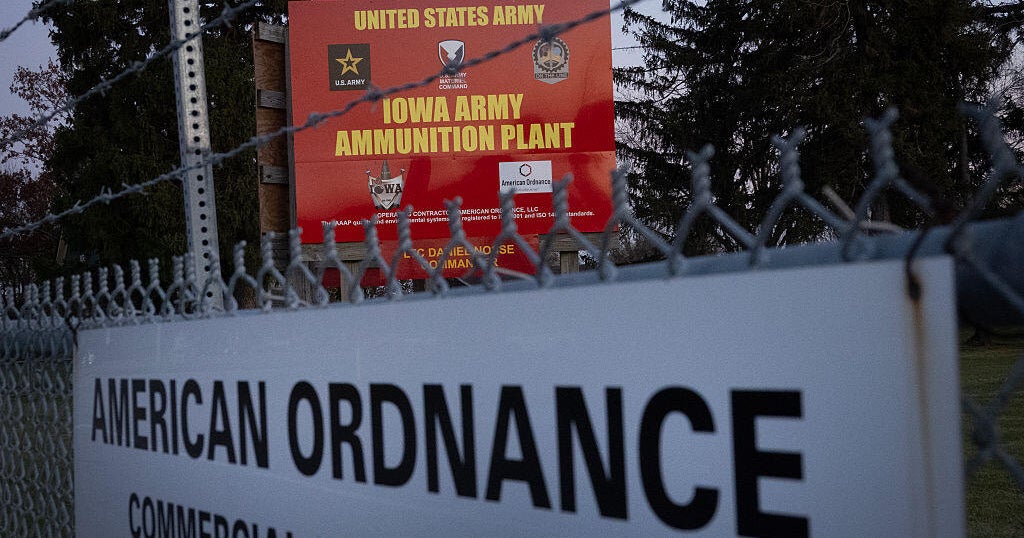
Illinois activates emergency center and launches tracking site
Gov. JB Pritzker partially activated the State Emergency Operations Center and directed agencies to remain on high alert. The Illinois EPA, Department of Public Health and Emergency Management Office of Homeland Security launched a public website to track developments, plume models and air monitoring data, CBS News Chicago reported.
The Illinois State Board of Education sent safety guidance to superintendents near the border, while the Department of Early Childhood distributed multilingual precautions to child care providers, Fox 32 Chicago reported.
Health agency advises avoiding affected areas
The Illinois Department of Public Health recommends people avoid affected areas if possible and use air recirculation in vehicles. The sources do not support claims about blood testing, vulnerability of children under 6 and pregnant women, or state-posted information for residents to file claims with the Army for livestock health effects or property damage.
Court lifts stay allowing detonation
The detonation was originally scheduled for Friday, Nov. 20, then pushed to Monday, Nov. 23, and finally to Wednesday, Nov. 25, for optimal weather, Fox 32 Chicago reported. Environmental groups sued to stop it, but the 8th U.S. Circuit Court of Appeals lifted a stay Monday evening, ruling that a controlled detonation with safety measures is preferable to an uncontrolled blast. Legal challenges continue, Fox 32 Chicago reported.
The Iowa Army Ammunition Plant sits near Burlington, a city of 23,982 residents in the 2020 census that serves as the Des Moines County seat on the west bank of the Mississippi River. The river spans over three-quarters of a mile wide at this point, placing Burlington directly across from Gulfport, Illinois, and the broader Illinois border.
A northerly wind component could still shift fallout toward Fort Madison, Iowa, and far western Illinois, expanding the monitoring zone beyond the primary forecast path.
Lawmakers demand more transparency
The Army plans to issue an all-clear message after the detonation. EPA deploying sampling teams in Iowa and Illinois to conduct monitoring before, during and after the blast, with results to be shared publicly.

Twin Cities Small-Business Owners Open Earlier, Stock Lower-Priced Items for Holiday Season
Twin Cities small-business owners are opening earlier, stocking lower-priced items and curating "happy" inventory as the holiday shopping...

Wesley Yates III Scores 15 in Washington OT Win Over USC in Big Ten Tournament
Washington guard Wesley Yates III scored 15 points and recorded two steals as the Huskies defeated USC 83-79...

How Muhammad Tariq Turned Dh30,000 into Two Dubai Businesses After Overcoming Public Speaking Struggles
Lawyer-turned-entrepreneur Muhammad Tariq built two Dubai businesses, InZone Group and Legal Inz, from Dh30,000 in starting capital after...
No Scheduled Freeway Closures Statewide for Thanksgiving Weekend, ADOT Says
Arizona drivers will face no scheduled freeway closures across the state from Wednesday afternoon through Sunday night, the...