
Russia’s lower house of parliament approved a three-year federal budget Tuesday that directs 17.15 trillion rubles — roughly $208.9 billion — to national defense in 2027, a 27% jump over this year.
The State Duma passed the 2027–2029 spending plan by 396 votes to 37 abstentions, cementing military outlays at more than a third of total federal expenditure. Combined with national security and law enforcement, defense and security forces will absorb 44% of all government spending next year, or 21.3 trillion rubles ($259.4 billion), according to budget documents cited by The Moscow Times.
To help finance the increase, deputies approved a package of tax increases that targets mining companies, investment income and cross-border e-commerce. A windfall-profits levy of up to 30% will hit mining and metallurgy firms benefiting from higher commodity prices. A new progressive scale tops out at 22% on passive personal income.
Starting January 1, a 22% value-added tax will apply to online purchases of foreign goods worth less than 200 euros ($219), which are currently tax-exempt. A 100-ruble per-parcel charge also takes effect.
Deficit and the drained wealth fund
The 2027 budget projects a deficit of 5.44 trillion rubles ($66 billion), or 2.2% of GDP, down from this year’s record 7.34 trillion rubles ($89.5 billion). Finance Minister Anton Siluanov acknowledged that drafting the budget has become “more and more complicated” each year as policymakers miss annual deficit targets because of war spending. Combined shortfalls across the three-year period are projected at 15.81 trillion rubles ($192.6 billion).
A Bank of Finland report published November 20 shows Russia’s National Wealth Fund has fallen from 9.7 trillion rubles before the February 2022 invasion to 3.6 trillion rubles by the end of 2026 — a drop of almost two-thirds in readily available assets.
The National Security Journal said the Kremlin plans to use any additional revenue from higher oil prices to replenish the fund. The budget was built on an assumption that Urals crude will stay around $50 per barrel.
Civilian spending cut
The budget reduces planned outlays on social programs by 7% and education by 6% compared with the previous three-year plan. Health-care spending falls 3% to 1.81 trillion rubles ($22 billion). Housing and communal services drop 8% to 1.83 trillion rubles ($22.3 billion). The national economy allocation shrinks 3% to 4.62 trillion rubles ($56 billion), according to figures reported by Kyiv Post and The Moscow Times. Social policy spending, including pension transfers, declines 6% to 6.65 trillion rubles ($81 billion).
Chris Weafer, CEO of Macro-Advisory Ltd, told the Associated Press in October that Russia has enough financing to cover the deficit in 2027 and probably 2028. “But that is at the expense of raising taxes, of increasing costs for households as well as businesses,” he said.
Weafer said the budget now puts the military ahead of normal economic development or infrastructure, producing an illusion of growth solely by propping up state-linked defense industries.
On the streets of Moscow
Homemaker Oksana Savitskaya linked the rising taxes directly to the war. “It seems to me that the economic instability right now and the rise in taxes is bad for development, for small businesses, for example. It’s bad for the everyday person,” she said.
Retired journalist Boris Khizhnyak described the coming year as “complicated.” “You know that we have a “special military operation” underway, and that first and foremost will bring economic adjustments,” he said.
Finance ministry cites revenue losses
According to Finance Ministry data, oil and gas tax receipts dropped 14.1% in the first ten months of 2026 to about 6.44 trillion rubles, the National Security Journal reported. The ministry expects the new tax package to generate 1.5 trillion rubles ($18.2 billion) in 2027, according to The New Voice of Ukraine.
Parliament adds veterans and personnel funding
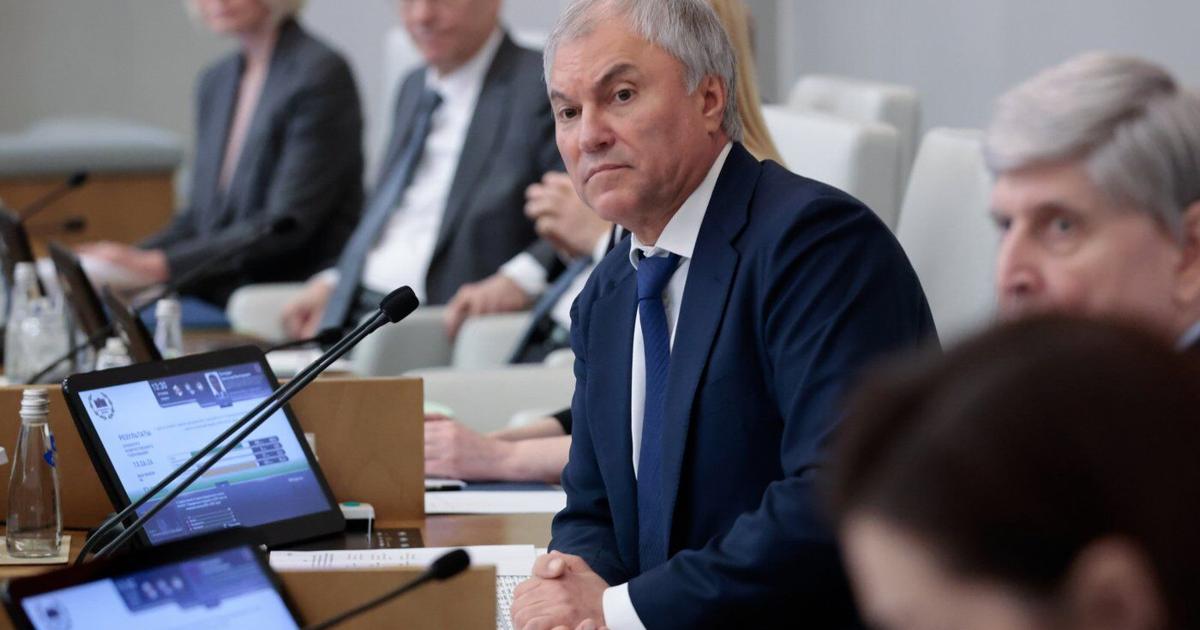
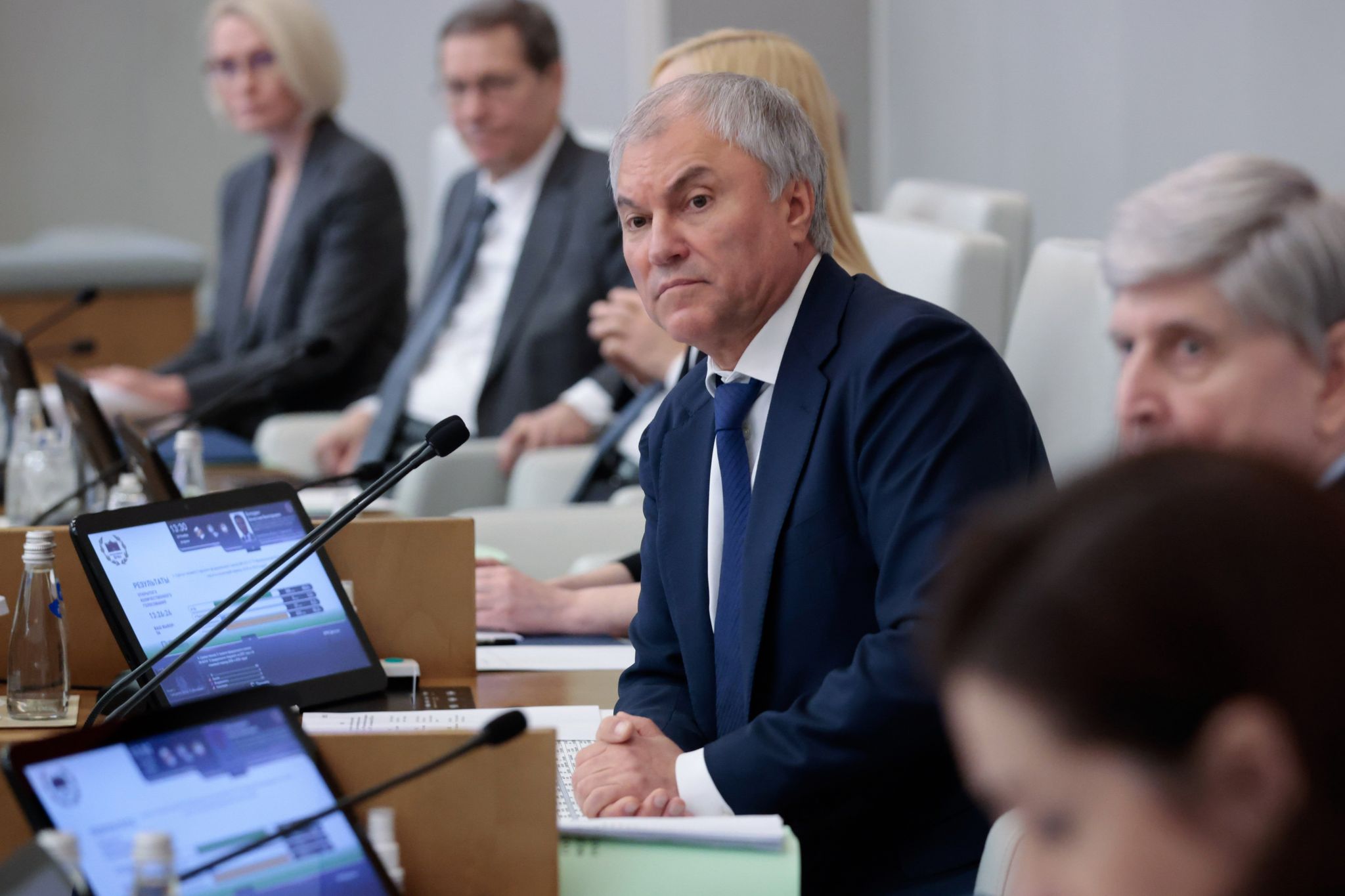
Speaker Vyacheslav Volodin hailed the bill as a “victory budget” that includes spending on national defense, care for veterans and their families, and state social support, Tass reported.
Budget advances to upper house
The budget bill now moves to the Federation Council, Russia’s upper house, for approval before President Vladimir Putin can sign it into law. Speaker Vyacheslav Volodin said the budget contains “everything we need” to support war veterans, noting that the vote comes as Russia faces nearly 35,500 Western sanctions. Lawmakers also added funding for military personnel and veterans ahead of the second reading, the State Duma’s press service said.
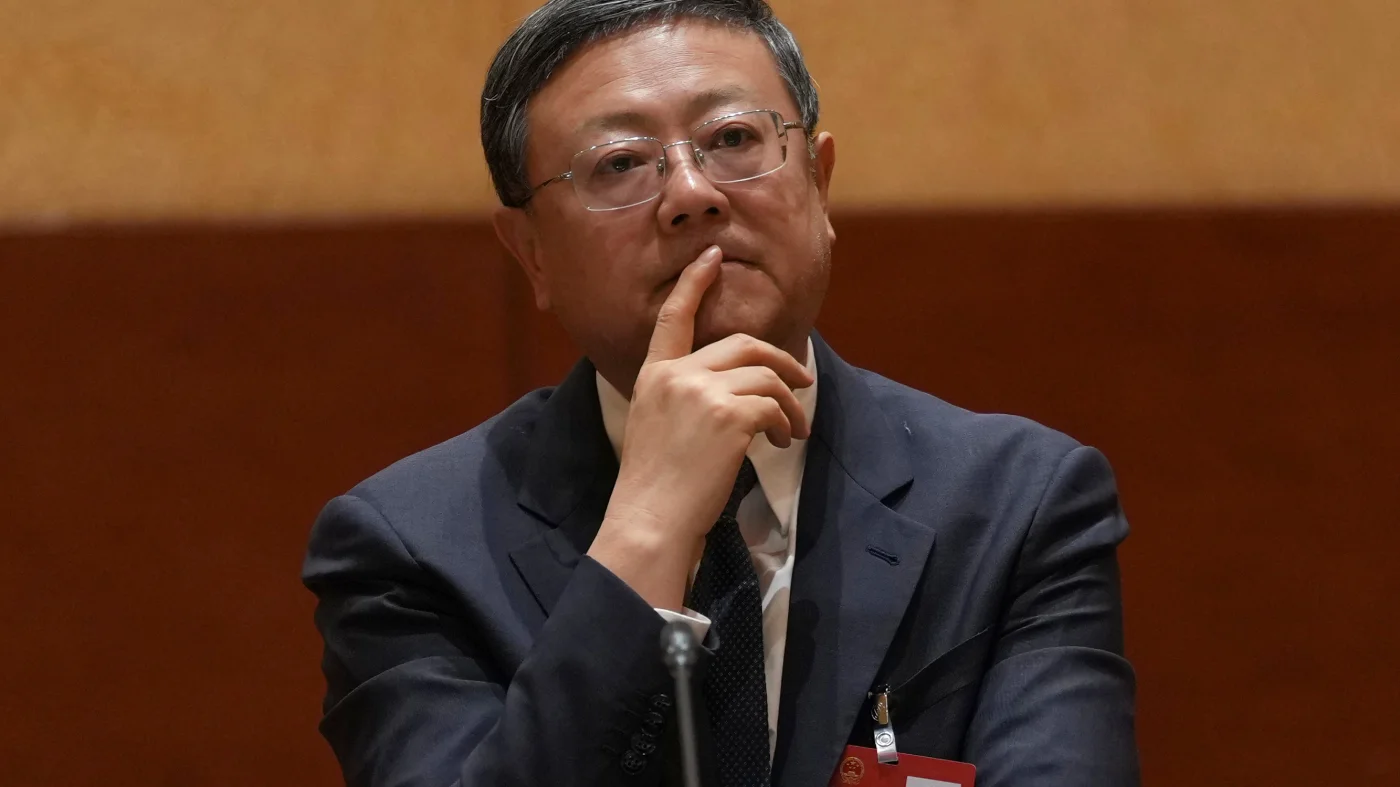
China Probes Fourth Politburo Member Chen Jining Since 2025
China's anti-corruption watchdog announced Tuesday it is investigating Chen Jining, the Communist Party secretary of Shanghai and a...

Colombian Forces Rescue All Hostages, Kill Gunman in Supermarket Siege
Colombian security forces stormed an Éxito supermarket in Cartagena early Wednesday, ending a day-long siege that began when...

Libyan Army Vows Retaliation After Two Officers Die in Drone Strike
Two Libyan naval officers died Tuesday from wounds sustained in a Sunday Ukrainian drone strike on a Russian...

Kilmar Ábrego García Departs US for Spain, Ending Deportation Battle
Kilmar Abrego Garcia boarded a commercial flight to Madrid from Washington Dulles International Airport on Tuesday night, ending...