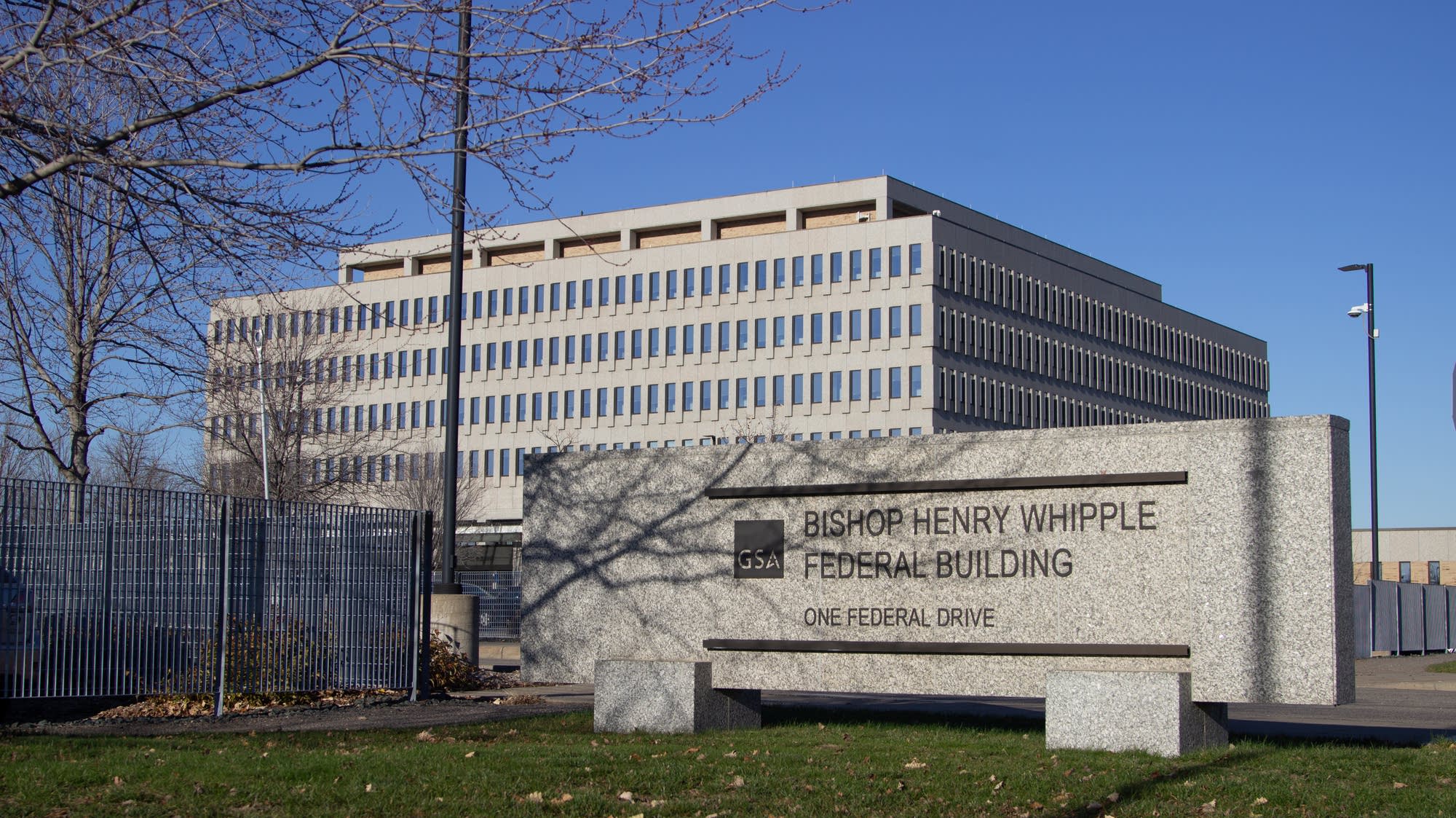
Immigration Judge Jason Stern of Houston began hearing juvenile dockets for unaccompanied children in St. Paul in early November, replacing the local judge who typically handled those cases, MPR News reported.
- Judge Stern set December and January deadlines for asylum applications, a pace attorneys called unusually fast.
- He issued a removal order for a child who already held Special Immigrant Juvenile Status.
- Stern denied video-appearance requests, forcing some children to drive 11 hours for hearings.
- Data cited by advocates shows Stern grants relief at a lower rate than the St. Paul judge he replaced.
Judge Stern sets fast deadlines for asylum cases
Attorney Meg Kaiser appeared before Stern on Tuesday. “It’s not uncommon for judges to set deadlines… but it did seem to me like Judge Stern was setting deadlines a lot faster than some other judges would,” she told MPR News. One attorney representing 9- and 12-year-old sisters said she needs time to work through traumatic memories with the children before determining asylum eligibility.
Several attorneys told the judge their clients already hold Special Immigrant Juvenile Status, a protection that provides a path to a green card. Madeline Lohman, advocacy director at the Advocates for Human Rights, said the St. Paul judge typically pauses those cases while the green card processes.
Stern instead kept hearings active, required asylum applications as an alternative, and ordered one child with that status removed from the country. “I think it’s something that the administration is trying to get judges all over the country to do. I don’t think this was the first case ever in the country, but we hadn’t seen one before,” Lohman told MPR News.

In-person requirement creates barriers
Stern requires all parties to appear in person. When an attorney asked whether a teenage client living 220 miles away could appear by video, a Department of Homeland Security attorney opposed the request.
Stern asked for the request in writing and said he would rule later. “I thought that was a bit surprising,” Kaiser told MPR News. “I think a lot of the judges at Fort Snelling would allow that in that circumstance.”
Lohman said children as young as 11 drove 11 hours from the Dakotas, which fall under the St. Paul court’s jurisdiction, only to have virtual-hearing requests denied. Missing a hearing can trigger an immediate removal order.

Administration cites backlog reduction
The Department of Justice said out-of-state judges are sometimes assigned to reduce court backlogs. “The Biden Administration allowed millions of unvetted migrants into our communities and intentionally turned a blind eye to hundreds of thousands of unaccompanied alien children in need of care,” a spokesperson said in a statement. “Reducing the immigration court backlog remains one of the highest priorities for this administration.”
A legal project tracking judicial records indicates Stern grants relief at a lower rate than Judge Kalin Ivany, the St. Paul judge who usually hears juvenile cases. “The impact of the decision to have out-of-state judges hear Minnesota cases is that cases are being heard by less sympathetic judges who have very low rates of granting protection to children and asylum seekers,” Lohman told MPR News.
Attorneys said they do not know whether the assignment is permanent and are awaiting further scheduling information while working to meet Stern’s deadlines.
Worth a look

Friedman: Predators No Longer Favorites to Land Edvinsson as Red Wings Trade Talks Stall
Elliotte Friedman of Sportsnet said Tuesday that the Nashville Predators are no longer the favorites to acquire restricted...
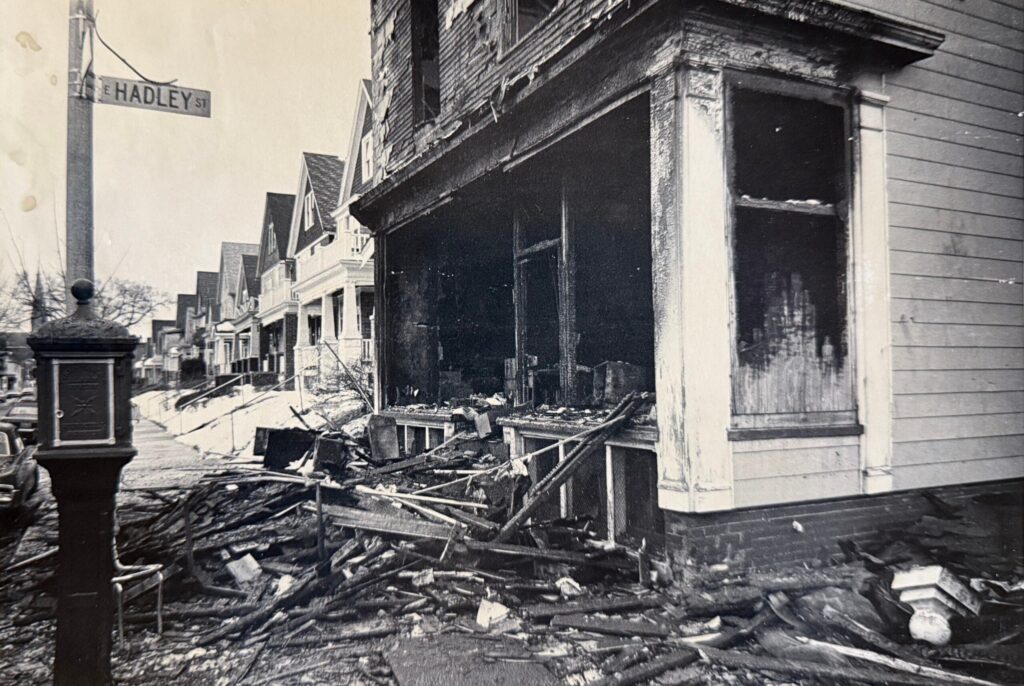
New Book by Aurore Sibley Covers the Bugle American Firebombing
Six people — including a 20‑month‑old baby — escaped a firebomb that gutted the Bugle American’s Milwaukee offices...

Baltimore Man Convicted on All Counts in 2025 Greenmount Avenue Quadruple Shooting, Faces Five Life Sentences
A Baltimore jury convicted Broderick Young on all counts Wednesday in the March 2025 quadruple shooting on Greenmount...
Kentucky Bourbon Production Hits Lowest Levels Since 2019, KDA Says
Kentucky distillers filled 2.13 million bourbon barrels in 2025, a 30% drop from the previous year and the...