
The Indiana Parole Board has unanimously recommended that Mike Braun deny clemency to Jeffrey Weisheit, a death row inmate scheduled for execution on November 5. The decision follows hours of testimony regarding Weisheit’s mental health and a stark divide between the parents of the two children he murdered in 2010.
If carried out, Weisheit’s execution would be the fourth since the state resumed the practice in December 2024 after a 15-year pause.
The Board Rejects the ‘Snapped’ Defense
In a letter to Governor Braun signed by board Chair Gwendolyn M. Horth, the five-member panel dismantled the argument that Weisheit acted on a sudden, uncontrollable impulse. While attorneys and relatives argued that mental illness and neurological deficiencies drove his actions, the board pointed to a calculated pattern of preparation. Before the killings, Weisheit emptied his bank accounts, quit his job, and attempted to return an engagement ring to the children’s mother, Lisa Lynch.
The board concluded that these actions indicated a “plan to do harm,” explicitly rejecting the notion that he simply “snapped” or acted outside of his character. Even as they acknowledged testimony regarding his brain injuries and mental health, the board maintained that the original jury had sufficient information to impose the death penalty back in 2013.
During a prison interview on October 16, Weisheit admitted to setting the fire that killed 8-year-old Alyssa and 5-year-old Caleb Lynch. However, he struggled to explain why his anger toward their mother led him to kill the children. He described placing a phone book on an electric stove burner and leaving the children inside the house. He also admitted to binding and gagging Caleb, though he claimed—without evidence—that police or responders might have placed road flares near the boy, a claim his own lawyers later distanced themselves from.
A Family Divided Over Forgiveness
Steven Lynch provided a sworn statement supporting clemency, asking that Weisheit receive life without parole instead of death. He wrote, “What good does it do the memory of my children to put this man to death?” and ended his message with a direct statement of forgiveness to Weisheit.
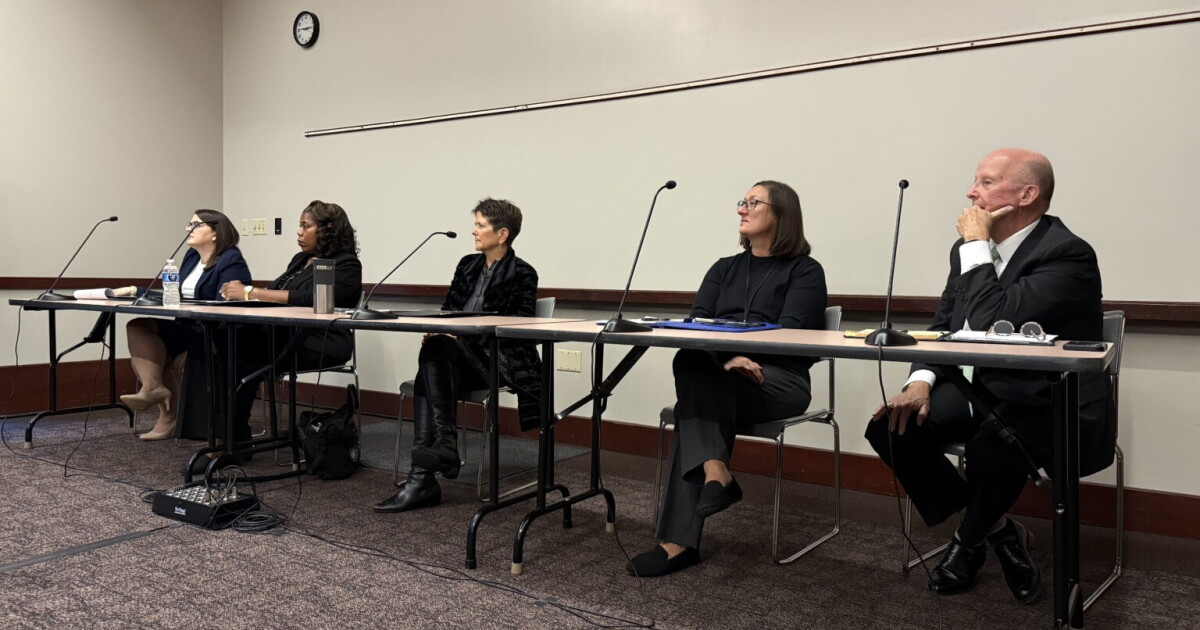
Lisa Lynch, however, urged the state to uphold the execution. Speaking remotely, she detailed a history of domestic violence and emotional abuse, noting that efforts to shift blame onto her had persisted even into these clemency hearings. She spoke of Alyssa’s love for drawing and Caleb’s desire to help in the kitchen, framing the execution not as an act of vengeance, but as the only appropriate response to the theft of her children’s futures.
“They will always be my children,” Lynch said. “They will always matter, and I will never stop speaking for them.”
Prison Conduct Reports Fuel Parole Board Decision
The parole board’s decision wasn’t based solely on the crime itself, but on Weisheit’s behavior over the last decade. While a spiritual adviser testified that Weisheit had made progress and was becoming a positive influence in the prison community, the board cited 13 conduct reports. These reports included disruptive behavior, battery on other incarcerated individuals, and animal cruelty, with the most recent incident occurring in May 2025.
Weisheit’s legal team attempted one final maneuver to stall the process, asking the Indiana Supreme Court to delay the execution until November 19. They argued that additional brain testing was necessary to assess injuries that may have affected his behavior. On October 22, the court unanimously denied the request, stating that the executive branch could arrange transportation for such testing if the board or governor considered the evidence relevant.
Mike Braun now holds the final authority. His track record suggests a lean toward the death penalty; he denied clemency to both Benjamin Ritchie and Roy Lee Ward before their executions last year. If he follows the board’s nonbinding recommendation, Jeffrey Weisheit will be executed before sunrise on November 5 at the Indiana State Prison in Michigan City.
Related reading

Top Halloween and Weekend Events: O’ahu Guide
Honolulu is leaning into a high-contrast blend of cultural celebration and psychological horror for the upcoming Halloween weekend...
Hall Booth Smith Welcomes Jim Standard Back as Of Counsel
Hall Booth Smith, P.C. (HBS) has brought James “Jim” Standard back to its Atlanta office to serve as...

Denver Broncos Release Unofficial Depth Chart Ahead of Chiefs Game
The Denver Broncos have released their unofficial depth chart for Sunday's Week 8 matchup against the Kansas City...

PPIC poll shows support for California billionaire tax has slipped
Support for California's proposed billionaire tax has slipped in the final stretch before Election Day, shifting from a...