
The Greater Chicago Watershed Alliance is pivoting toward a “neighborhood-scale” strategy to combat chronic urban flooding in Chicago’s south suburbs, moving away from a reliance on massive, centralized infrastructure. By integrating nature-based solutions—such as rain gardens and expanded park storage—into existing streetscapes, the coalition aims to keep stormwater where it falls rather than overloading aging sewer systems, as reported by Friends of the Chicago River.
This shift comes at a critical moment for the region. For decades, the Chicago area has grappled with a combined sewer system where stormwater and sewage flow through the same pipes. When heavy rains hit, these systems overflow, sending untreated waste into local waterways. The current initiative, funded by the Healing Our Waters-Great Lakes Coalition, focuses on “green infrastructure” to intercept that water before it ever enters the pipe.
The 4-Million Gallon Buffer in South Holland
In South Holland, the focus is on high-capacity storage integrated into public spaces. The Thorn Ditch Flood Mitigation Project serves as a primary example of this hybrid approach. By combining improved drainage with natural features, the project has created more than 4 million gallons of stormwater storage within local parks.
The project demonstrates a dual-purpose victory: flood control and ecological restoration. According to the Village of South Holland and the Metropolitan Water Reclamation District of Greater Chicago, wildlife began returning to the area almost immediately after construction started. This suggests that flood mitigation doesn’t have to be a sterile engineering exercise; it can function as a catalyst for urban biodiversity.
But why does this matter for the average resident? Because when 4 million gallons of water are held in a park, that’s 4 million gallons that aren’t sitting in a basement or blocking a residential street.
Harvey’s Rain Garden Corridor
While South Holland is tackling volume through park storage, the city of Harvey is experimenting with distributed filtration. Along 154th Street, a corridor of 10 rain gardens has been woven into a larger roadway and streetscape improvement project. These gardens, developed with support from The Nature Conservancy, can hold approximately 100,000 gallons of stormwater.
The logic here is simple: by capturing rain in these vegetated pockets, the city reduces the immediate surge into Harvey’s combined sewer system. It transforms a standard asphalt road into a functional sponge. The project also emphasizes community stewardship, with participants recently engaging in hands-on weeding and maintenance to ensure the gardens remain permeable and effective.
The Tension Between Grey and Green Infrastructure
There is a persistent debate in urban planning between “grey infrastructure”—the concrete pipes, pumps, and tunnels that define traditional engineering—and “green infrastructure”—the bioswales, permeable pavements, and rain gardens seen in Harvey and South Holland.
Neighborhood-scale projects handle the frequent, smaller events, preserving the capacity of the big pipes for when they are truly needed.
The economic stakes are high. Implementing a network of rain gardens and park storage is a scalable, modular alternative that provides immediate relief to specific, flood-prone blocks.
A Blueprint for Equitable Stormwater Management
The overarching goal of the Greater Chicago Watershed Alliance is to ensure these solutions are distributed equitably.
The lesson from the field trips to South Holland and Harvey is clear: there is no silver bullet for urban flooding. Success requires a patchwork of solutions—some large, some small, and all of them integrated into the daily life of the neighborhood.
As the region faces more volatile weather patterns, the ability to manage water locally will likely determine which communities remain resilient and which continue to sink under the weight of an outdated drainage legacy.
Worth a look

Top Halloween and Weekend Events: O’ahu Guide
Honolulu is leaning into a high-contrast blend of cultural celebration and psychological horror for the upcoming Halloween weekend...
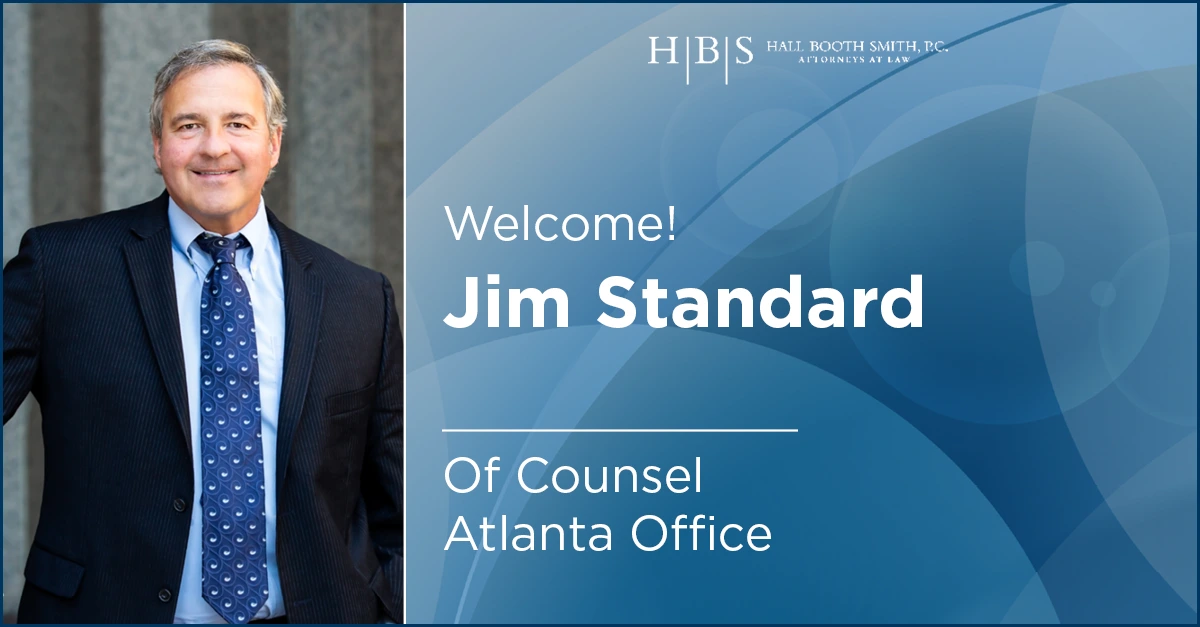
Hall Booth Smith Welcomes Jim Standard Back as Of Counsel
Hall Booth Smith, P.C. (HBS) has brought James “Jim” Standard back to its Atlanta office to serve as...

Denver Broncos Release Unofficial Depth Chart Ahead of Chiefs Game
The Denver Broncos have released their unofficial depth chart for Sunday's Week 8 matchup against the Kansas City...

PPIC poll shows support for California billionaire tax has slipped
Support for California's proposed billionaire tax has slipped in the final stretch before Election Day, shifting from a...