
Indiana employed just shy of 400 people at sub-minimum wages as of Nov. 1, a drop from 36 certificate holders in 2022 to six community rehabilitation programs and one business today.
The shift marks the near collapse of a sheltered workshop model that for decades paid workers with intellectual and developmental disabilities piece rates amounting to pennies per hour — far below the state’s $7.25 minimum wage — under a federal Fair Labor Standards Act provision known as a 14(c) certificate.
Melody Cooper spent six years in an Indianapolis sheltered workshop bringing home $25 a week. Shawn Fulton sorted parts in Grant County for as little as half a cent each. “You’d have to do a lot to make any money when you did that job,” he said.
“It wasn’t valuing people and showing them the respect that they deserve for their time and their skills,” said Kim Dodson, chief executive officer of the Arc of Indiana, a disability rights organization. Some parents still support the workshops as a safe place for adult children, she said, but advocates now see the model as belittling.
Noble, a chapter of the Arc of Indiana, sunsetted its sheltered workshop in 2021. Clients now work with job coaches to find community employment or join the Noble Employment Workforce, which performs housekeeping, lab support and other jobs for companies including Eli Lilly and Corteva — at or above minimum wage.
“I like to call it a mini-career step ladder,” said Wade Wingler, Noble’s CEO. “There may be three or four different jobs they can do there, with the ultimate goal — if they want to — is to get to community-integrated employment, where they have a job that’s not in place specifically for folks with disabilities.”
Wingler said sheltered workshops remain meaningful to a subset of people and the option should still exist for those who prefer it. “Our philosophy is that we want folks to be as integrated into the community as they want to be, and that extends to employment,” he said.

Starting next year, the Family and Social Services Administration’s Division of Disability and Rehabilitation Services will cease reimbursing facility-based prevocational services often linked to sheltered workshops. A 2017 law established competitive integrated employment as the preferred outcome and provided grants for workshops to transition.
“Providers may decide whether to continue operating under a 14(c) certificate, regardless of the state’s funding decision,” said Marcus Barlow, spokesperson for the agency. Fewer than 200 people were receiving services through a prevocational workshop as of Nov. 5, he said.
The agency is redirecting resources to community-based services “to create more opportunities for people with disabilities to pursue meaningful careers, achieve greater independence and earn wages comparable to those of other workers in the community.”
Dodson said advocates had considered a lawsuit to end sub-minimum wages — until Indiana began phasing out the practice on its own.
After leaving sheltered work for a job pushing carts at Meijer, Cooper, who has cerebral palsy, now serves as a self-advocate at the Arc of Indiana, traveling to Washington, D.C., and the Indiana Statehouse to testify on legislation.
Fulton also became a self-advocate, doing voter outreach and a project warning people with disabilities about online romance scams. “I love it,” Fulton said of the decline in sub-minimum wage jobs. “It should have happened a long time ago.”
Keep reading

CNN: S&P 500 Sheds $5.6 Trillion; Ulin Warns AI Concentration Risk in 401(k)s
The S&P 500 shed $5.6 trillion in market value this week and closed more than 10% below its...

Trinity University (Texas) Beats Washington University 1-0 on Hoover Goal
Washington University women’s soccer fell to Trinity University (Texas) 1-0 on Saturday in a match that produced no...

Cruise Lines Adopt Shore Power for EU 2030 Port Mandates; Ports Expand Infrastructure
Cruise lines are accelerating shore power adoption to meet European mandates requiring major ports to offer the technology...
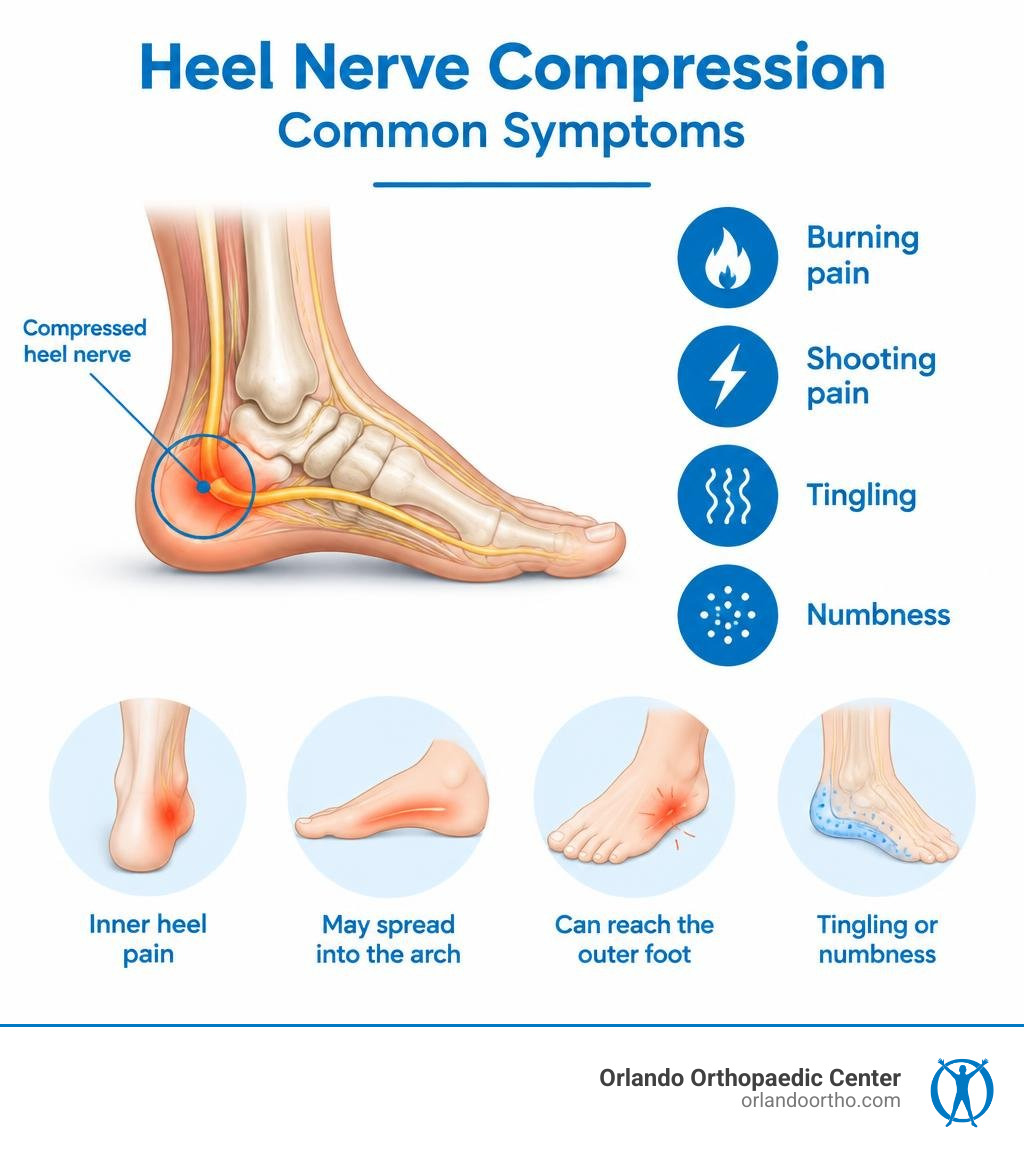
One in Five Chronic Heel Pain Cases Traced to Baxter’s Nerve
As many as one in five chronic heel pain cases trace to a pinched nerve known as Baxter’s...