
A Journey Through New Jersey’s Industrial and Natural Corridor
Environmental guide and captain Bill Sheehan recently piloted a boat north past the American Dream mall, a liquid-natural-gas plant, and the Moonachie and Bashes Creeks along the lower Hackensack River, as detailed in a recent report by The New Yorker. The trip laid bare an urban waterway operating simultaneously as a heavy industrial thoroughfare and a resilient natural ecosystem.
Ecological Rebound on a Superfund Site
Despite holding a designation as an Environmental Protection Agency Superfund site, the lower Hackensack showcases a striking ecological turnaround. Sheehan told The New Yorker that back in the 1970s, a mere half dozen fish species managed to endure the severe pollution. Fast forward to today, and biologists routinely document upwards of seventy species, including striped bass tipping the scales at thirty-five pounds.
Water Testing Inside Kingsland Marsh
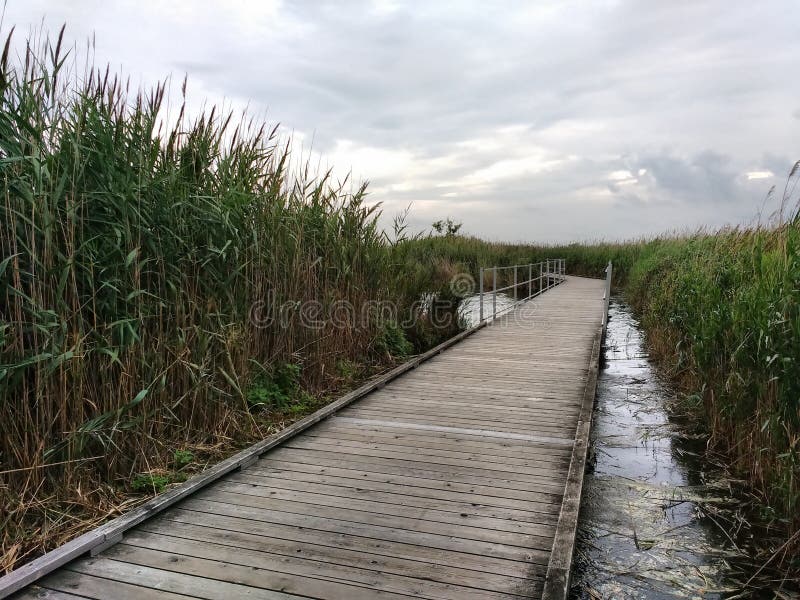
Scientists conducting water-quality testing near a Route 46 bridge and the Turnpike closely monitored temperature and dissolved-oxygen levels while screening for nutrients and fecal bacteria. Their data revealed that the strongest readings of the day occurred inside Kingsland Marsh, a tidal wetland anchored by spartina grass that sustains microscopic aquatic life.
Data Centers and Public Utility Backlash
Beyond the marshes, regional conversations increasingly center on the expansion of modern infrastructure. Sheehan voiced clear frustration regarding recent public backlash over data centers in the area, pointing out to The New Yorker that this community resistance tends to be driven by rising utility bills rather than actual water-quality worries.
Legal Precedents and the People’s Golf Course
To tackle persistent environmental threats, Sheehan plans to urge the state to initiate a Natural Resource Damage claim. New Jersey mounted a comparable legal strategy back in 1994 following a barge spill that dumped over 300,000 gallons of caustic-soda solution—the active ingredient in Drano—into the regional waterways.
Previous legal resolutions tied to groundwater chromium contamination and an Exxon oil spill in the Arthur Kill successfully financed wetland restoration initiatives in Jersey City. Those cleanup operations turned a former dump into a restored landscape featuring a nine-hole public golf course. Described by Sheehan as the “People’s Golf Course,” the property costs about thirty dollars a round, providing accessible public recreation in a region otherwise crowded with exclusive, expensive Hudson River waterfront clubs.
Worth a look

Walmart CEO John Furner pledges no dynamic pricing
Walmart’s Digital Shelf Pivot and the New Economics of the Grocery Aisle Walmart has publicly pledged to move...

Three Things You Didn’t See on TV During Oregon’s Win Over Northwestern
Oregon Overcomes a 20-6 Deficit Against Northwestern in a 34-26 Halloween Thriller at Autzen Stadium A thick layer...

How to Watch Oklahoma vs. Florida – Sports Illustrated
The Oklahoma Sooners will travel to Gainesville, Florida, to face the Florida Gators on November 7 at Ben...

Community drives Journal’s commitment to Lobo basketball coverage – Yahoo Sports
As the University of New Mexico Lobo basketball season tips off, the Albuquerque Journal remains an outlier in...