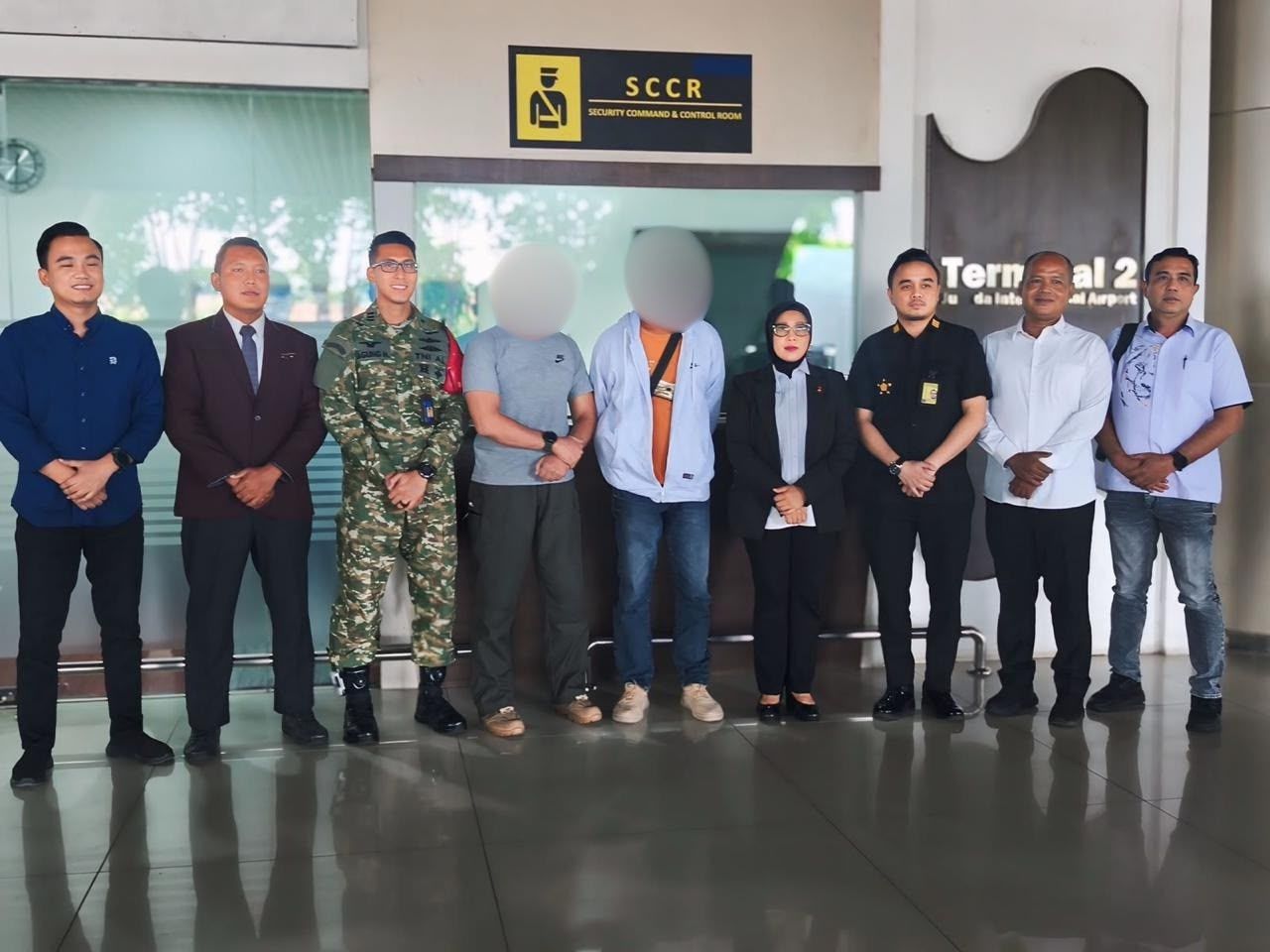
Immigration officers at Juanda International Airport in Surabaya stopped two Indonesian citizens on Nov. 18 after discovering they were bound for Russia on job offers linked to military recruitment.
The travelers initially claimed they were heading to Thailand for a holiday via Singapore. Officers grew suspicious after finding inconsistencies in their explanations and a record of a canceled flight ticket dated Nov. 7, according to a press release from Indonesia’s immigration service on Nov. 19.
Further questioning revealed they had been offered work as security personnel in Russia through Facebook, and their messages витнправля the recruiter indicated the job was linked to military activity and the recruitment of mercenaries, the release said.
Officers blocked their departure under the “Not OK to Board” mechanism and handed the pair to the airport security task force and then to East Java Police for further investigation.
The Juanda case is part of a broader operation. Immigration and Corrections Minister Agus Andrianto said at a press conference on Nov. 24 that authorities had thwarted the departure of 21 Indonesian citizens suspected of being recruited as mercenaries in Russia, ANTARA News reported. He added that 1,502 Indonesians had been stopped from departing as of November 2026, of which 1,339 were attempting to travel through non-procedural channels, and 94 passport applications had been rejected in 2026.
Police have uncovered a syndicate operating under the guise of overseas job placement. Investigators have named 13 suspects — 12 detained, one wanted — under the human trafficking law (No. 21/2007) and the migrant worker protection law (No. 18/2017). The suspects include 10 Indonesian brokers, two Russians and a Ukrainian based in Central Java, where a house in Pemalang was used as a makeshift semi-military training site.
Recruitment ads on TikTok, Facebook, Instagram and job apps promised construction, logistics and border security roles with signing bonuses of up to US$35,000 and monthly salaries near US$3,000. Law enforcement inquiries have recorded 58 targeted victims, among them several ex-military and ex-police members; 15 to 23 had already departed for Russia.
A dossier given to the Indonesian embassy in Kyiv by Ukraine’s “I Want to Live” project identifies 292 Indonesians in Russian units, 283 reportedly recruited between January and September 2026.
Separate interdictions have occurred elsewhere. On Nov. 20, Bogor Police announced they had prevented the departure of 22 Indonesian citizens suspected of being recruited as mercenaries. Two individuals with the initials FIK and STH were secured for allegedly acting as recruitment coordinators.
Director General of Immigration Hendarsam Marantoko warned Indonesians not to be lured by high-paying job offers abroad, especially on social media. He cited Article 23(d) of Indonesia’s Citizenship Law (No. 12/2006), under which citizens can lose their nationality if they join a foreign military without the president’s prior permission, adding that those without another nationality could become stateless.
Indonesia has requested that Moscow place it on Russia’s military “exclusion list,” a stop-list telling recruitment centers to turn away applicants from listed countries, and pressed Moscow to examine contracts signed by misled Indonesians so they can be released and sent home.
The Russian Embassy in Jakarta and the Russian Foreign Ministry have not responded.
“Law enforcement officials, particularly the police, are truly committed to upholding the law,” Andrianto told ANTARA News on Nov. 24. “This reflects the police’s seriousness in carrying out their duties.”
Related reading
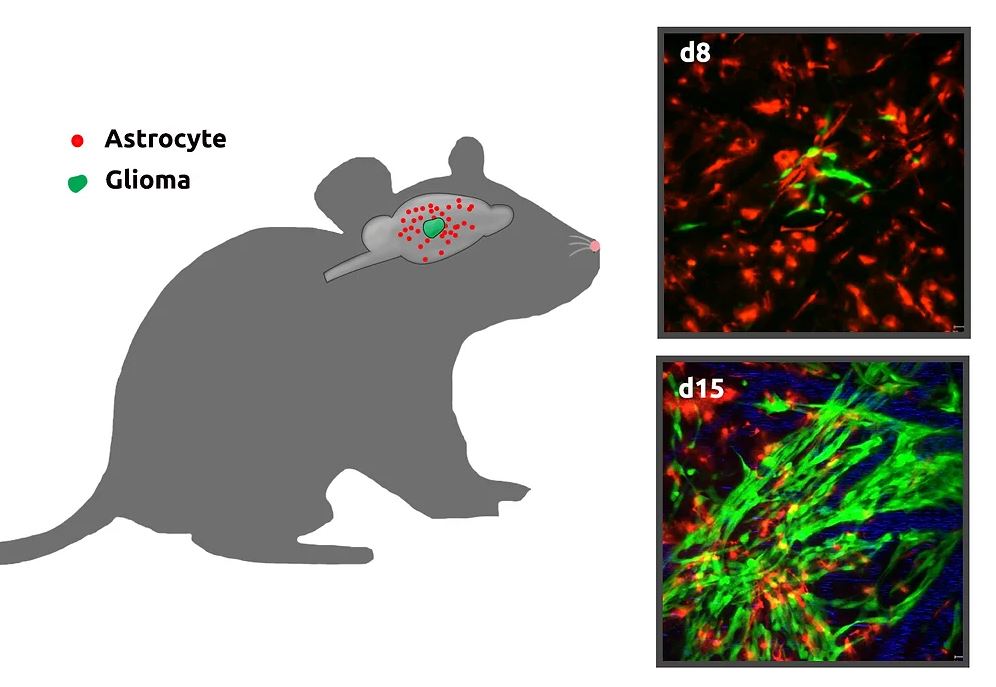
Stroke Repair Process May Drive Glioma Growth in Mice, Study Finds
"When we activated this calcium activity, tumor cells were actually suppressed," said Hyun Kyoung Lee, associate professor of...

DOLE: 313,000+ Workers in Ilocos, Cagayan Valley Get Wage Hikes Effective Nov 2025
Over 313,000 minimum wage earners and domestic workers in the Ilocos and Cagayan Valley regions will receive pay...
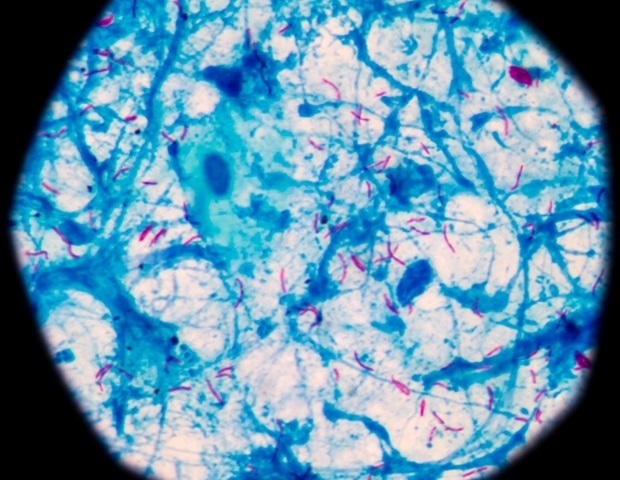
TB Molecule PGL Triggers Cough via ATP/P2X3 Pathway; Study Suggests Rationale for Testing Existing Drug
Researchers at UT Southwestern Medical Center have identified a molecule produced by highly transmissible tuberculosis strains that activates...
Passenger Arrested for Punching, Attempting to Strangle Co-Passenger on IndiGo Flight
Police in Kochi arrested a passenger on Wednesday following a mid-air assault aboard an IndiGo flight from Abu...