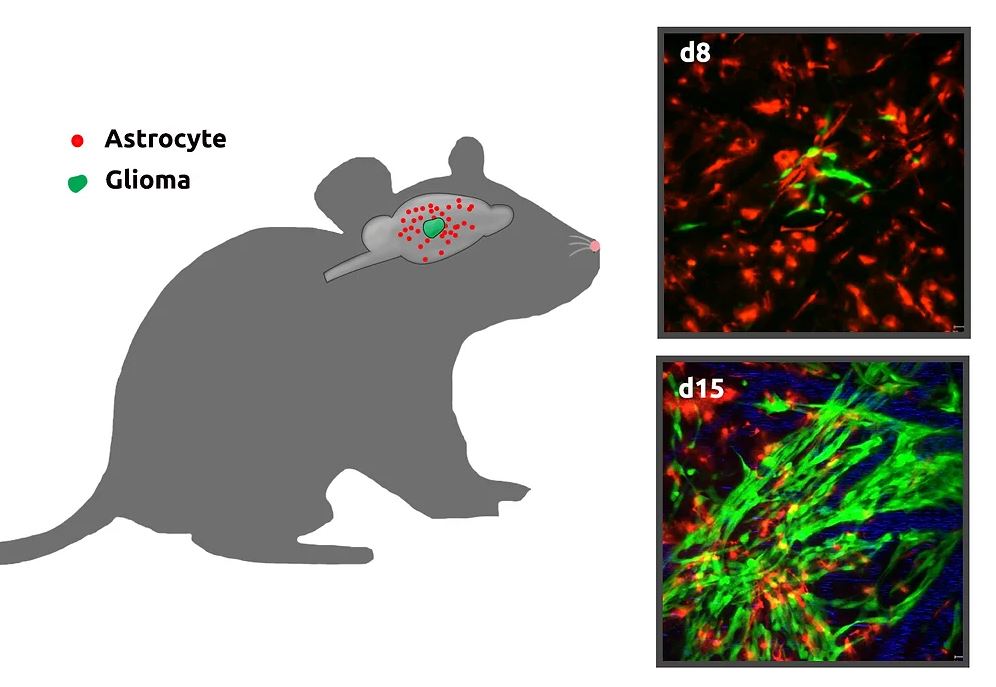
“When we activated this calcium activity, tumor cells were actually suppressed,” said Hyun Kyoung Lee, associate professor of pediatric neurology at Baylor College of Medicine and investigator at Texas Children’s Hospital.
Lee’s team found that the brain’s repair process after ischemic stroke may be repurposed to drive glioma growth, linking reduced astrocytic calcium signaling to faster tumor expansion in mouse models, Medscape reported. The findings appear in Nature Cancer.
Using patient-derived glioma stem-like cells implanted in mice, researchers induced stroke and observed larger, faster-growing tumors with significantly worse survival. Tumor infiltration clustered in regions adjacent to the stroke-affected isocortex or striatum, but not in distal areas such as the hippocampus.
Single-cell RNA sequencing and spatial transcriptomics tied the effect to calcium signaling. “When we measured astrocytic calcium activity when the tumor was growing, nearby astrocytic calcium activities decreased,” Lee said. “When we activated this calcium activity, tumor cells were actually suppressed.” The team identified a pH regulator, SAC4A4, that contributes to calcium activity and is disrupted during stroke.
“It is now widely appreciated that chronic inflammation plays a central role in tumorigenesis,” said Sui Huang, professor at the Institute for Systems Biology in Seattle, who was not involved in the study. He called Lee’s work a “neat” and “stark” example of how chronic tissue injury and associated inflammation promote tumorigenesis.
Huang said that known external irritants — acids in the esophagus, noncarcinogenic compounds in smoke, food additives, pesticides, and nonmutagenic ultraviolet wavelengths — are recognized tumor promoters. “In the case of stroke, we have an internal pathology — the ischemia — that causes the tissue injury. Thus, it is surprising in some ways, but not fundamentally,” he said.
Huang said both studies illuminate shortcomings of the gene-centric paradigm in precision oncology. “Clinical oncologists associate mutations with malignant tumor properties, which is not wrong but a very incomplete, simplistic model,” he said. Targeting tumor properties with precision drugs “works, but poorly.”
Lee cautioned that the research does not establish that stroke leads to glioma. Her team is pursuing a follow-up study examining that question after issuing a nationwide request for tissue samples from patients who experienced stroke prior to glioma diagnosis.
Huang disclosed serving as a scientific advisor for Thetis Pharmaceuticals, in which he holds stock options for a drug in development that simulates antitumor immune activity without causing overt counterproductive inflammation and regenerative activities.
Worth a look

Indonesia Stops Two Citizens at Airport Over Suspected Russian Military Recruitment
Immigration officers at Juanda International Airport in Surabaya stopped two Indonesian citizens on Nov. 18 after discovering they...

DOLE: 313,000+ Workers in Ilocos, Cagayan Valley Get Wage Hikes Effective Nov 2025
Over 313,000 minimum wage earners and domestic workers in the Ilocos and Cagayan Valley regions will receive pay...
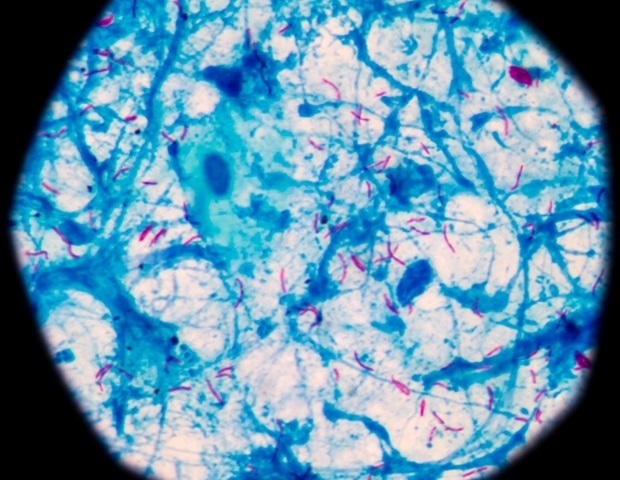
TB Molecule PGL Triggers Cough via ATP/P2X3 Pathway; Study Suggests Rationale for Testing Existing Drug
Researchers at UT Southwestern Medical Center have identified a molecule produced by highly transmissible tuberculosis strains that activates...

Passenger Arrested for Punching, Attempting to Strangle Co-Passenger on IndiGo Flight
Police in Kochi arrested a passenger on Wednesday following a mid-air assault aboard an IndiGo flight from Abu...