
From Fishing Backwater to Whale Shark Hub in Botubarani
Ansar Lasimpala used to pull in roughly 400,000 rupiah a month casting nets as a fisherman in Botubarani. Today, the 47-year-old guides tourists toward the massive, dark shadows of whale sharks gliding just off the Indonesian beach, earning up to 3 million rupiah ($167) a month.
In 2016, video clips capturing a cluster of about a dozen whale sharks appearing together went viral on Facebook, putting the remote settlement on the global travel map. Whale sharks have actually fed off the beach for decades, according to Wahab Matoka, a 73-year-old regional tourism leader, but social media turned those decades-old sightings into a major economic driver. Visitors frequently call the animals “Serli,” a local nickname derived from the Indonesian words “sering terlihat,” meaning often seen.
Travelers Visit Gorontalo Province to Swim with Whale Sharks
For travelers like 55-year-old Renee Westerbeek from the Netherlands, the destination offers an experience that is difficult to replicate anywhere else on earth. Westerbeek, visiting with his wife and two children, specifically chose Gorontalo Province to swim near the world’s largest fish species. Botubarani provides a consistent feeding ground for whale sharks throughout their life cycle, notes Sukirman Tilahunga, head of a monitoring team established by the fisheries ministry. These animals are typically young males under the age of 30, measuring between 4 meters and 6 meters, though the species can eventually grow up to 18 meters and live for a century.
Yet the sudden influx of human activity brings distinct ecological friction. Naturalists point out that whale sharks remain an endangered species, with environmental group Konservasi Indonesia estimating a population of just 699 across the eastern islands of the archipelago. Wildlife researchers warn that constant feeding by tourists can disrupt natural behavior and introduce real health risks. “Limits help ensure people and wildlife can coexist,” said Iqbal Herwata Putra of Konservasi Indonesia, as reported by Kyodo News.
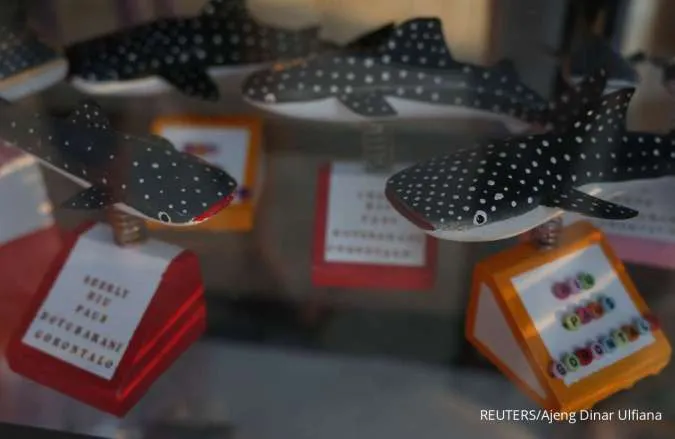
Balancing Local Livelihoods With Marine Conservation
Local authorities have attempted to dial back direct feeding practices to protect the animals. To bridge the gap between conservation needs and community income, Sukirman has developed a solar-powered marine attractor. The device uses light to draw in plankton and tiny fish, sustaining the whale sharks’ natural diet without requiring human-managed handouts on the beach.
Even so, for boat operators whose families depend on the new economy, the priority remains keeping the animals close to shore. As Ansar put it, feeding the whale sharks directly benefits the villagers who rely on the tourism boom to support their households.
More on Ansar Lasimpala

How the Worms Video Game Went From Classroom Project to Classic
Andy Davidson was twenty-two years old when the turn-based artillery game he programmed first hit store shelves in...

How Estrogen Exposure and Hormone Therapy Protect Brain Health and Vascular Integrity in Women
Longer Reproductive Years and Hormone Therapy Linked to Brain Blood Vessel Health A new population-based longitudinal investigation published...

WashU Medicine Researchers Verify New Methods to Detect Rare Somatic Mosaicism DNA Changes
Washington University Researchers Verify Genetic Tools for Rare DNA Changes Washington University School of Medicine researchers have confirmed...

Irish Academic Tom Felle Falsely Claimed Doctorate from London University
A leading Irish academic and prominent voice on media disinformation has found himself at the center of an...