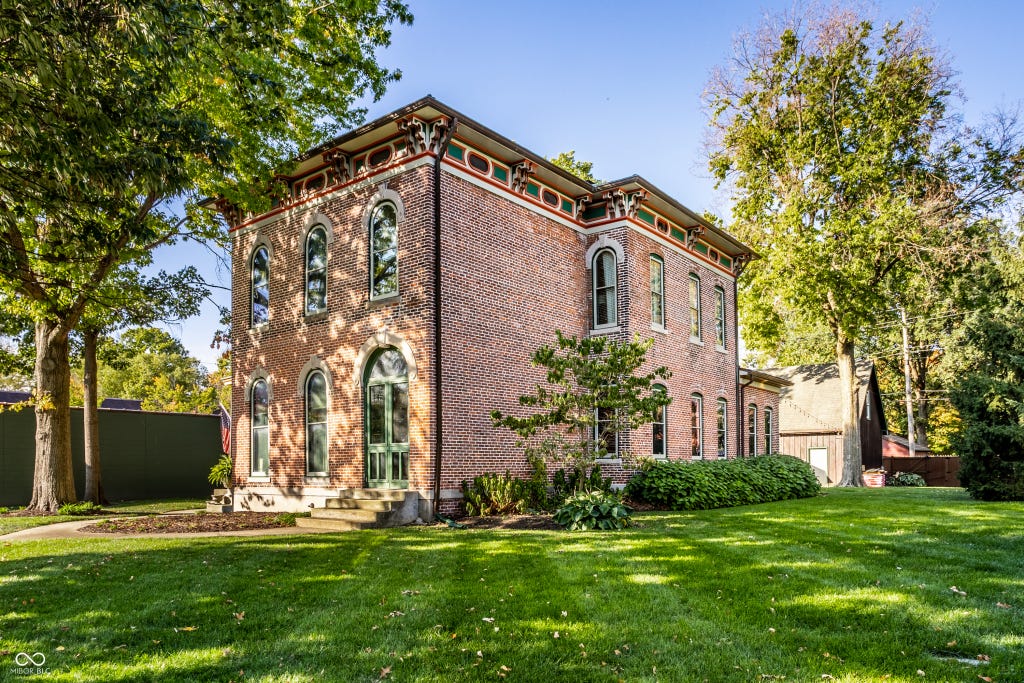
IndyStar’s year-end real estate roundup reads less like a market report and more like a biography of Indianapolis written in brick, limestone, and the occasional shag carpet, tracing the city’s evolution from a 1820 frontier settlement to a $20 million lakeside statement piece.
The survey, published Friday with six weeks left in 2026, stitches together eleven properties that passed through the paper’s pages this year. Together they frame a housing stock that refuses a single identity: the oldest surviving house in the city sold for $395,000 in February, while a Jim Irsay-designed estate on Lake Maxinkuckee fetched $20 million in January.
“This estate home is a one-of-a-kind in the Midwest. It’s not just a home, it’s a fully realized lifestyle estate that combines European architecture, recreational activities and privacy.”
Andrea Kelly of Encore Sotheby’s International Realty told IndyStar when the Irsay property listed in August 2025.
Between those poles, the list captures the tension between preservation and reinvention that defines the current market. The William Sanders Home in Bates-Hendricks — built the year the city was platted — survived with its two-wing layout intact, modernized but historically legible.
In March, an Italianate in the Old Northside traded at $960,000 after a $1 million ask; its basement wine cellar holds 1,000 bottles and the carriage house adds 580 finished square feet, a reminder that “carriage trade” wealth never really left the neighborhood, it just added climate control.
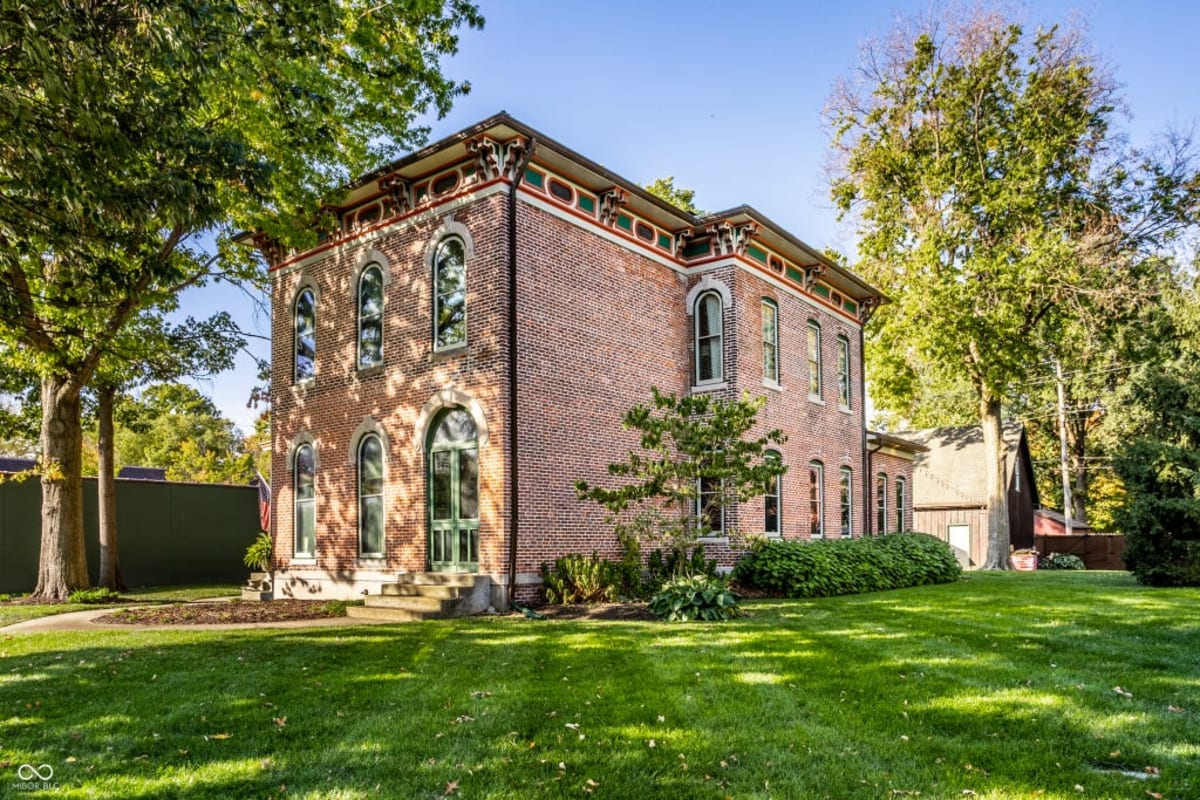
April brought the Kemper House back onto the market. The 1873 “wedding cake” Gothic Revival near 11th and Delaware was a wedding gift from Charles Pierson to Mary Alice Scofield, rescued from the wrecking ball in 1962 by Eli Lilly, grandson of the pharmaceutical founder, and home to Indiana Landmarks for decades. Its sale this year closes a chapter of institutional stewardship and opens a private one.
June’s highlight was civic: the city unveiled renovation plans for Whistler Plaza, more than two years after City Market shuttered. The project promises seating, green space, and a pedestrian walkway through Wabash Alley, though completion may drift to 2028 — a timeline that feels familiar to anyone tracking downtown reactivation.
Whimsy got its due in May with “Almost Alice,” a former rental so saturated with Wonderland motifs — suspended teacups, pocket watches, checkered floors with painted roses — that it reads like immersive theater. July’s Meridian-Kessler English Tudor, a 1930 remodel with diamond-pane windows above a claw-foot tub, leaned into storybook gravity instead.
August’s Carmel resort listing — six bedrooms, eleven bathrooms, golf simulator, projector room, glass wine wall — pushed the suburban luxury script to its logical extreme. September pivoted to folklore: the Hannah House, reputed Underground Railroad stop and “most haunted” titleholder, opens its doors monthly for tours, its basement legends outliving its architecture.
October surfaced a 1951 Frank Lloyd Wright–inspired mid-century modern on the south side, built into a hillside by Royce Stevens with Indiana limestone and redwood. It hit the market for the first time ever after his wife Betty died at 104. November closed the loop with a 1970s double A-frame in Bargersville, its orange rug, floral kitchen wallpaper, and plaid bedroom frozen in amber beside a quiet pond.
The spread reveals a city where a $395,000 pioneer cabin and a $20 million dock — 4,000 square feet of it, the most on Lake Maxinkuckee — coexist in the same newsletter, and where the next chapter for a historic landmark is as likely to be a private buyer as a nonprofit.
IndyStar reporters Domenica Bongiovanni, Jordan Smith, Alysa Guffey, Dana Hunsinger, senior audience editor Joe Mutascio, and Katie Wiseman contributed to the package, with John Tufts fielding tips for 2027 at [email protected].

WSJ Reports Tech Outages Hit Year High, Systemic Events Below Normal; Identifies Four Risk Channels
Widespread technology outages hitting Microsoft, United Airlines, and JPMorgan Chase in the week through Tuesday reached their highest...
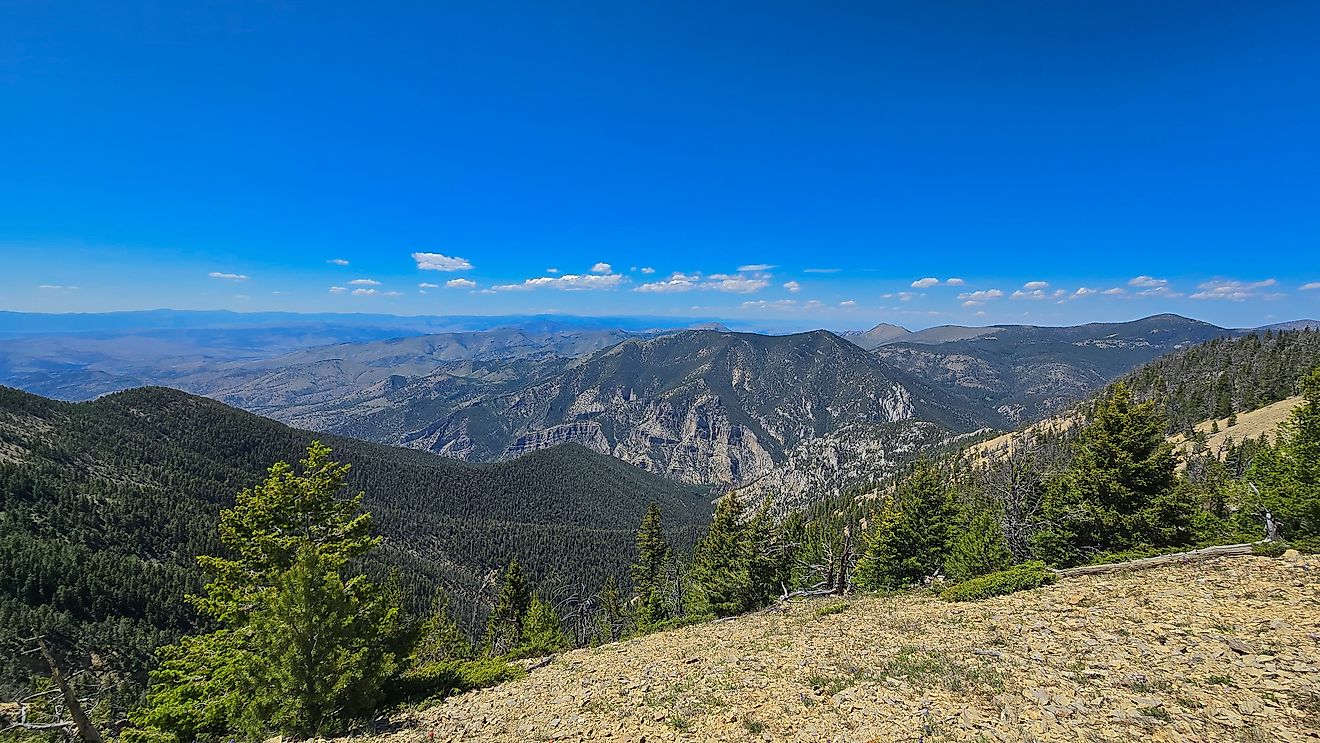
Lewis and Clark National Forest in Montana Logged 269,000 Visits in Its Survey Year
Lewis and Clark National Forest in Montana logged 269,000 visits in its survey year, while Nantahala-Pisgah in North...

New Mexico Environment Department Shuts Six Ojo Santa Fe Pools Over Disinfection, Safety Violations
The New Mexico Environment Department shut down six of the ten communal pools at Ojo Santa Fe on...

Oklahoma Hosts Texas A&M in Renewed Rivalry: Sooners Eye Third Straight Win Against Aggies
Oklahoma hosts Texas A&M at 2:45 p.m. Saturday on ESPN2, renewing a dormant rivalry for the first time...