
The Shifting Power Map in Trenton
As the front office staff of former Phil Murphy clears out and a new administration led by Governor Mikie Sherrill takes the reins, the lobbying landscape in Trenton is undergoing a significant transformation. The 2026 Insider 100: Lobbyist Power List, released by InsiderNJ, documents how these executive changes are reshaping the influence economy of the state capital.
Insider NJ's 2026 Labor Power List – https://t.co/fyX5u56iz6
Governor Murphy’s tenure was defined by a heavy emphasis on wind energy and data center expansion. That focus came with a tangible political price, particularly as the offshore wind sector struggled and eventually crumbled under the weight of logistical and economic hurdles. In contrast, Governor Sherrill is signaling a different path in her first year, pivoting toward solar and nuclear energy. This shift has forced the lobbying community to recalibrate its priorities to align with the new executive agenda.
The Data Center Dilemma
While energy policy is shifting, the issue of data center production remains a sensitive point for the current administration. Governor Sherrill is approaching the topic with visible caution, navigating a landscape where the demand for digital infrastructure clashes with local concerns about power consumption and land use. For lobbyists, this means the environment is currently one of “soulless needle-threading,” as they attempt to balance the needs of corporate clients with the political realities of a state government wary of backlash.

The political climate is further complicated by the erosion of traditional establishment power and the emergence of what observers are calling “new left causes.” Though the “Make Polluters Pay” movement failed to secure a bill signing earlier this year, the issue is far from resolved. Lawmakers are now eyeing the upcoming lineless Democratic Primaries, leading to a climate where politicians are desperate to appear responsive to public concerns without alienating the powerful labor and corporate entities that define the state’s economic status quo.
Labor and the AI Frontier
Artificial intelligence has moved to the forefront of the legislative agenda, prompting a scramble to define the state’s role in regulating the technology. Lawmakers are currently working with labor organizations and lobbyists to formulate a state action plan, but the central tension remains: how to protect human labor and core priorities in an increasingly automated economy.
The stakes for the average worker are immediate and financial. Beyond the high-level policy shifts, the School Employees’ Health Benefits Program looms as a critical flashpoint. The governing commission is under intense pressure to approve a 34% rate increase for active workers. If the commission fails to act, the resulting instability could force a crisis that would test the new administration’s ability to manage the state’s most powerful stakeholders.
As the late fall season unfolds, the lobbying world in Trenton remains a bellwether for the state’s broader political health. The question remains whether the current legislative strategy of appearing concerned will be enough to satisfy a public increasingly attuned to the mechanics of influence, or if the friction between corporate interests and grassroots movements will finally boil over into significant policy change.
Worth a look

Rocksgiving 2026 Supports Idaho Falls YMCA With Music and Art
The Idaho Falls Family YMCA is turning a local pub into a creative and musical hub on Saturday,...
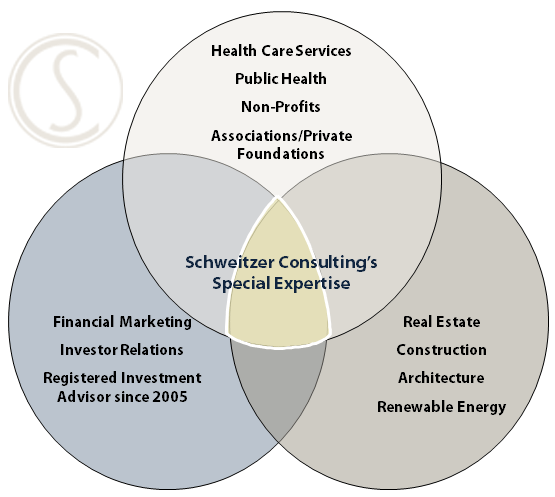
Schweitzer Consulting Provides Strategic PR for Healthcare and Finance
Schweitzer Consulting Maintains Niche Focus on Healthcare and Finance Schweitzer Consulting, LLC has operated as a specialized public...

Clarksburg to build $500,000 splash pad at Clarksburg City Park
Clarksburg moves forward with $500,000 splash pad project Clarksburg is preparing to break ground on a new recreational...

Retrial Begins for Man Accused of Starting Deadly Los Angeles Palisades Fire
Jury selection begins for the retrial of man accused in deadly Palisades fire A federal jury in downtown...