
A $1.62 Million Rarity Born from a Cash Shortage
A single gold coin, once used in everyday commerce, can command a price tag exceeding $1.6 million. The 1870-CC Liberty Head double eagle has proven this reality, setting an auction record of $1.62 million when a PCGS AU53 specimen was sold by Heritage in November 2021. This extreme valuation isn’t just a product of gold’s inherent worth; it is the result of a perfect storm of low production, historical scarcity, and a chaotic beginning for the Carson City Mint.
The rarity of this specific $20 gold piece is rooted in a fundamental failure of liquidity. When the Carson City branch opened to receive bullion on January 8, 1870, it did so without a federal bullion fund. This lack of ready money meant the mint could not pay depositors immediately after assessing their metal. As the Mint’s 1870 annual report detailed, these payment delays actively discouraged business. Miners often chose to send their bullion to San Francisco instead, where they could secure prompt payment, leaving the Nevada branch with limited deposits to process.
This economic friction directly dictated the coin’s meager mintage. Because the mint lacked both a steady stream of deposits and the working funds necessary for efficient operations, the output of double eagles was incredibly low. The total mintage for 1870 stands at just 3,789 coins, making it the rarest circulation issue of the Type 2 Liberty Head double eagle series.
The Five-Month Production Window
The production of the 1870-CC was a brief, sporadic affair. While the mint was positioned near the rich Comstock Lode, the logistical hurdles meant that coinage occurred in uneven bursts. Specialist accounts, including figures from Rusty Goe, track the deliveries of these twenty-dollar pieces across five specific months in 1870:

| Month of Delivery (1870) | Number of Coins Produced |
|---|---|
| March | 1,332 |
| April | 398 |
| May | 1,137 |
| June | 462 |
| August | 460 |
| Total Annual Mintage | 3,789 |
These figures are largely corroborated by the Mint’s own records, which showed 3,329 double eagles worth $66,580 produced through June 30. The addition of the August production brings the total to the accepted mintage of 3,789. This low volume was compounded by the fact that, during that era, few collectors were actively seeking out complete sets of branch-mint double eagles, leading to high rates of attrition as the coins moved through general circulation.
The scarcity is so pronounced that no accepted Mint State example of the 1870-CC is known to exist today. While experts debate the exact number of survivors—with PCGS CoinFacts listing 41 examples and Rusty Goe estimating between 55 and 65—the consensus remains that even the best-preserved specimens show signs of wear. Consequently, an “Extremely Fine” grade coin remains one of the most coveted prizes in American numismatics.
Missing Specimens and Disputed Legends
The history of the 1870-CC is as much about what has disappeared as what remains. A significant gap exists in the ownership records of the issue due to a high-profile theft. Heritage reported that an 1870-CC double eagle graded NGC AU58 vanished from a Brink’s shipment on October 17, 2011. The coin was intended for a January 2012 Heritage auction, but the listing was ultimately marked “Not Sold” and identified as stolen. A $100,000 reward was issued, but the whereabouts of the specimen remain unknown.
Beyond documented thefts, the coin is often shrouded in unverified folklore. Some accounts suggest a complex tale involving a hidden cache of 3,600 deficient double eagles and a theft scheme orchestrated by Rice, who succeeded Abraham “Abe” Curry as mint superintendent. However, researchers Roger Burdette and others have categorized such narratives as fiction, noting a lack of verifiable historical evidence to support the claim of a massive, concealed theft.
For modern investors and collectors, the market for these coins is driven by more than just the grade on a plastic slab. Recent sales demonstrate that provenance and surface quality play roles in final hammer prices.
Worth a look
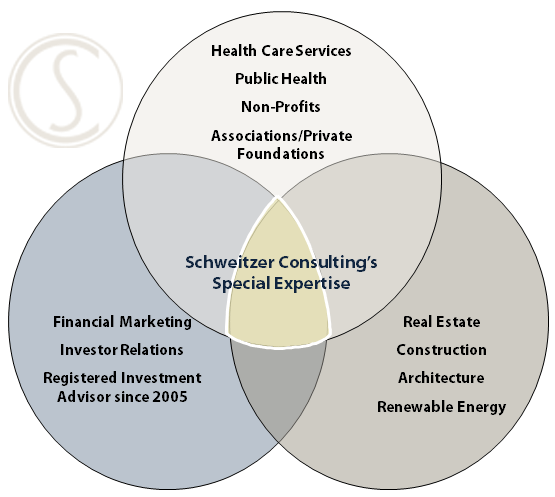
Schweitzer Consulting Provides Strategic PR for Healthcare and Finance
Schweitzer Consulting Maintains Niche Focus on Healthcare and Finance Schweitzer Consulting, LLC has operated as a specialized public...

Clarksburg to build $500,000 splash pad at Clarksburg City Park
Clarksburg moves forward with $500,000 splash pad project Clarksburg is preparing to break ground on a new recreational...

Retrial Begins for Man Accused of Starting Deadly Los Angeles Palisades Fire
Jury selection begins for the retrial of man accused in deadly Palisades fire A federal jury in downtown...

Committee Recommends Denying Plan to Turn Mesquite Golf Course Into Homes
Paradise Valley Village Planning Committee recommends denial of Copper Residences project The Paradise Valley Village Planning Committee voted...