History books often gloss over the daily grit required simply to survive, let alone thrive, in earlier eras.
Accounts of Hawaii’s past blind men and women from Peggy Chong illuminate individuals who confronted and triumphed over significant challenges.
Among these figures is Johnny Kameaaloha Almeida, widely remembered as the Dean of Hawaiian music. Born in 1897 and blinded by childhood illness, Almeida began playing the ukulele in public by age four. By 1917, he performed in the Royal Throne Room of Iolani Palace during Queen Liliuokalani’s funeral as Hawaii’s last monarch lay in state, according to hawaii.nfb.org.
Almeida’s career spanned decades of public performance and composition. He worked as a lead musician on Matson Cruise Lines from 1922 to 1927 and hosted a regular radio program on station KGU throughout the 1930s. He composed over 300 songs, including “Green Rose Hula” and “Iesu Me Ke Kanaka Waiwai.”
Thomas Hioki, a graduate of the Territorial School for the Deaf and Blind born in 1896, played on steamships during the 1920s and performed regularly on the radio.
Milton Koja, born in 1945, lost his sight after cataract surgery at age nine and co-founded the musical and comedy group the Laughing Kahunas while in college. The group toured nationally until disbanding in 1979, after which Koja moved to New York to perform in nightclubs.
Thomas Hioki transitioned from maritime music to public administration, becoming the first librarian at the Hawaii Library for the Blind in 1936. There, he developed a Braille catalog system that remained in use for decades.
Eva Smyth, born in 1891 with limited vision, was denied a high school diploma from McKinley High School because officials doubted a blind student could complete the coursework independently. Smyth persisted, attending the Perkins School for the Blind in Massachusetts for teaching credentials.
She returned to Honolulu to teach Braille at the Territorial School for the Deaf and Blind, co-founded the Association for the Adult Blind, and helped establish the Hawaii Library for the Blind.
Helen Mignon Claire Gray Nawaa, the first blind student to graduate from McKinley High School in 1936, followed a parallel path. After studying at the Perkins School for the Blind, she served as transcription supervisor for the Hawaii Library for the Blind until her retirement in 1978.
Jules Martin, blinded in a 1934 Nevada mining accident, returned to Hawaii to transcribe college textbooks into Braille and sell newspapers at King and Alakea streets. He also invented an emergency water supply barrel designed to keep water fresh during crises and helped found Eye of the Pacific, the islands’ first guide dog school.
Demeteria Pierce, born in Siberia in 1867, arrived in Hawaii as a young child and worked for the Pacific Advertiser. After contracting leprosy, Pierce was sent to Kalaupapa on Molokai. Appointed clerk of the settlement by the Department of Health, Pierce translated for non-English-speaking residents and acted as the community’s first blind lawyer for civil and criminal cases.
Dolores Quinto-Perina-de-Verya-Allado became the first blind student to graduate from the University of Hawaii with a teaching degree before earning a master’s from Columbia University.
Elias Torre, blinded at age 17, built a vending business at the Honolulu airport and became one of the first four blind residents to receive a guide dog through Eye of the Pacific in 1955. Milton Ota, a self-taught access technology expert, worked as a proofreader at the state library for the blind before founding Island Computer Access Now.
These records recover the contributions of individuals who confronted and triumphed over significant challenges to survive and set goals for themselves.
Related reading

Kentucky to Face Kansas in Champions Classic as Tyran Stokes Plays
The Kentucky Wildcats head to the United Center in Chicago on Tuesday, Nov. 10, to face the Kansas...

Bradenton Officers Injured After Being Struck by Suspect’s Vehicle – Bay News 9
Two Bradenton Police officers were hospitalized early Sunday after being struck by a suspect's vehicle outside a local...
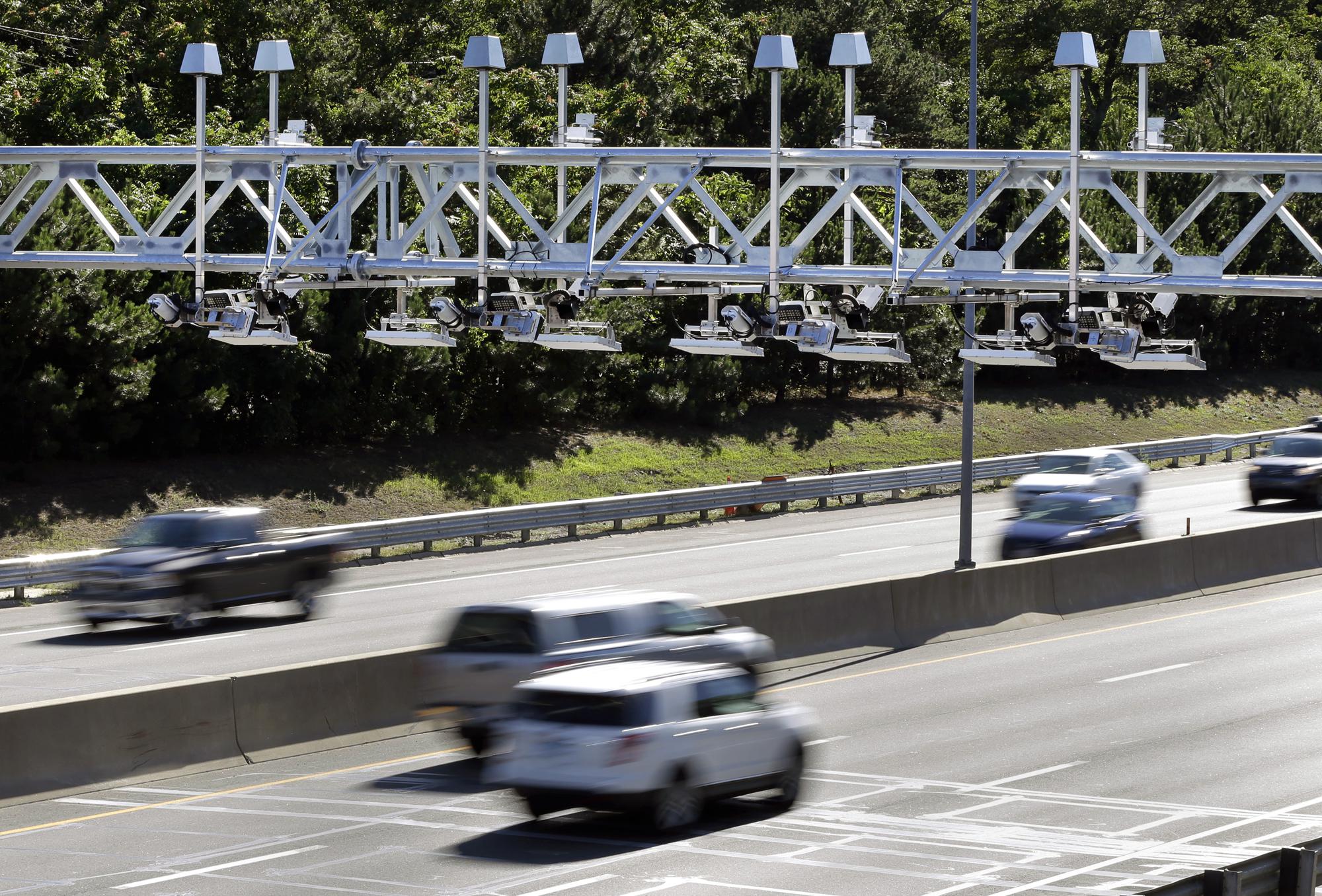
Reality Check: Could Highway Tolls Return to Connecticut? – CT Insider
Connecticut drivers can breathe a sigh of relief as highway tolls remain firmly off the table despite a...
When David Miller Picked up the Phone and Heard an AT&T Loyalty Representative Offering Four New
When David Miller picked up the phone and heard an AT&T loyalty representative offering four new iPhones alongside...