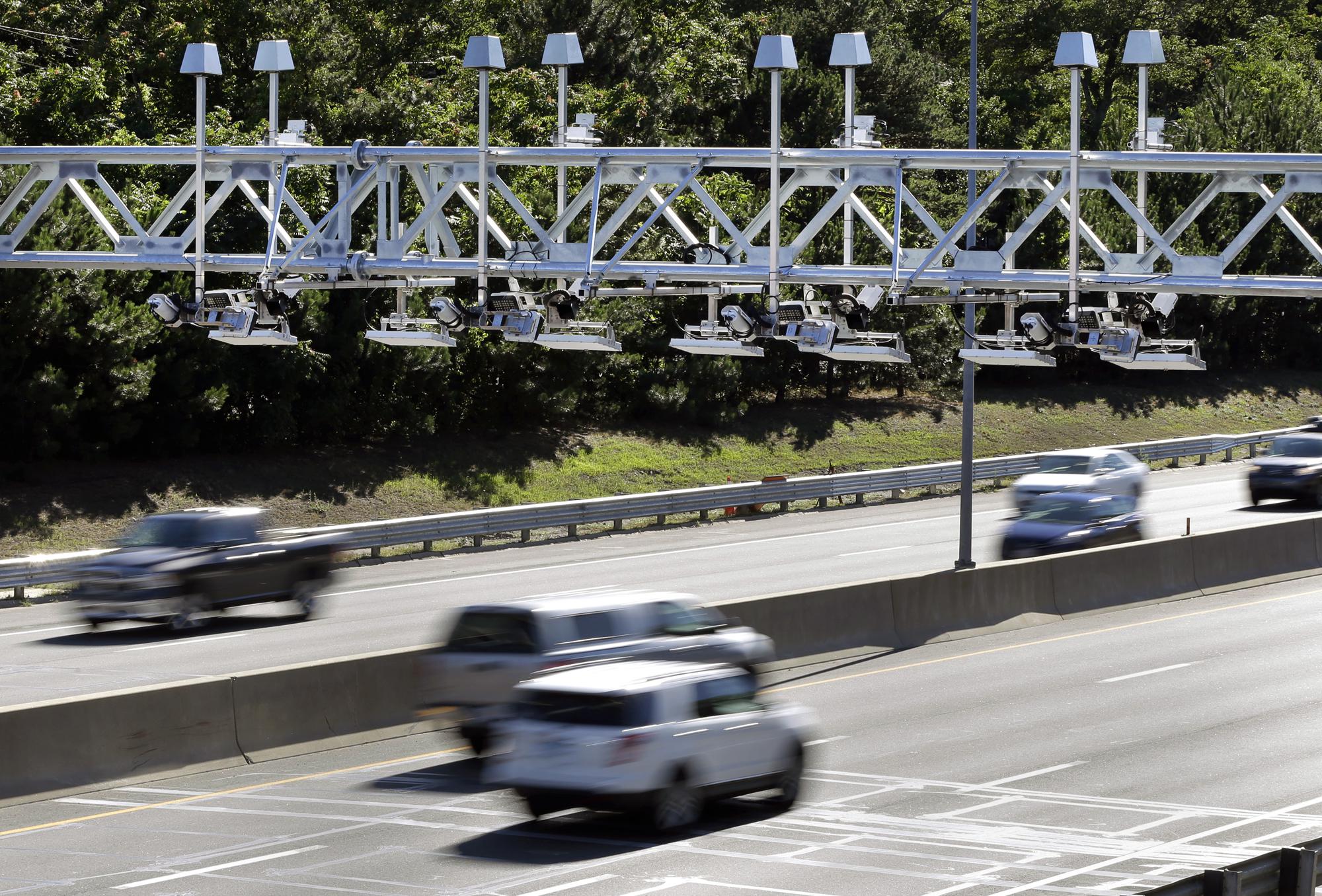
Connecticut drivers can breathe a sigh of relief as highway tolls remain firmly off the table despite a late push from an advisory group just before the November election, CT Insider reported.
The Connecticut Citizens’ Assembly on Property Taxes released a report recommending that state lawmakers revisit highway tolls just eight days before the Nov. 3 state elections, according to CT Insider. Comprising roughly 100 participants, the advisory panel was convened jointly by the state comptroller’s office, Yale University, the University of Connecticut, and the Connecticut Conference of Municipalities to analyze municipal financing.
Neither Gov. Ned Lamont nor his Republican challenger, Ryan Fazio, supported the proposal when questioned during their final debate on Oct. 27, CT Insider reported.
When asked if he would back the recommendation in exchange for repealing motor vehicle property taxes, Lamont shot it down immediately.
“Joe, you may have heard I actually tried something like that a while back,” Lamont said, according to CT Insider. “Nobody wanted to do that. We’re not going to do that.”
Lamont went on to defeat Fazio 60% to 40% in the Nov. 3 election to secure a third term, CT Insider reported. The governor famously pursued tolls during his first year in office before abandoning the effort due to fierce bipartisan opposition and public backlash.
Connecticut removed tolls from Interstate 95, the Merritt and Wilbur Cross parkways, and select bridges back in the 1980s. Momentum against the fees accelerated sharply after a tragic 1983 truck crash killed seven people at a toll booth in Stratford, and the last toll in the state was paid on the Charter Oak Bridge in Hartford on April 28, 1989.
When Lamont first campaigned for governor in 2018, he backed highway tolls to keep the Special Transportation Fund afloat when it faced projected insolvency within five years. His initial pitch involved 50 toll locations raising $800 million annually, which later morphed into a narrower plan for 12 truck-only bridge tolls designed to raise $170 million to $200 million a year to repay federal loans.
That scaled-down plan ultimately collapsed in the Democrat-controlled legislature amid deep distrust and hesitation among lawmakers. Following the collapse of the highway toll initiative, the sole legislative victory Lamont managed to secure was the 2021 passage of a new mileage tax on heavy trucks; projected to bring in $90 million yearly, it has instead generated approximately $200 million since implementation.
Today, the financial pressures that initially fueled the toll debate have shifted dramatically. Projections from recent state budget data highlighted by CT Insider indicate that the Special Transportation Fund will close the current fiscal year boasting an operating surplus of $207 million alongside a cumulative balance of $640.8 million.
Political headwinds remain as steady as they were when Lamont first backed away from the issue. Incoming Senate Democratic leader Bob Duff told CT Insider that highway tolls are not on his current legislative agenda.
With a healthy fund balance, no appetite among top leadership, and memories of past political battles still fresh, highway tolls are staying in the past.

Kentucky to Face Kansas in Champions Classic as Tyran Stokes Plays
The Kentucky Wildcats head to the United Center in Chicago on Tuesday, Nov. 10, to face the Kansas...
Inspiring Figures: Remarkable Blind Trailblazers in Hawaii’s History
History books often gloss over the daily grit required simply to survive, let alone thrive, in earlier eras....
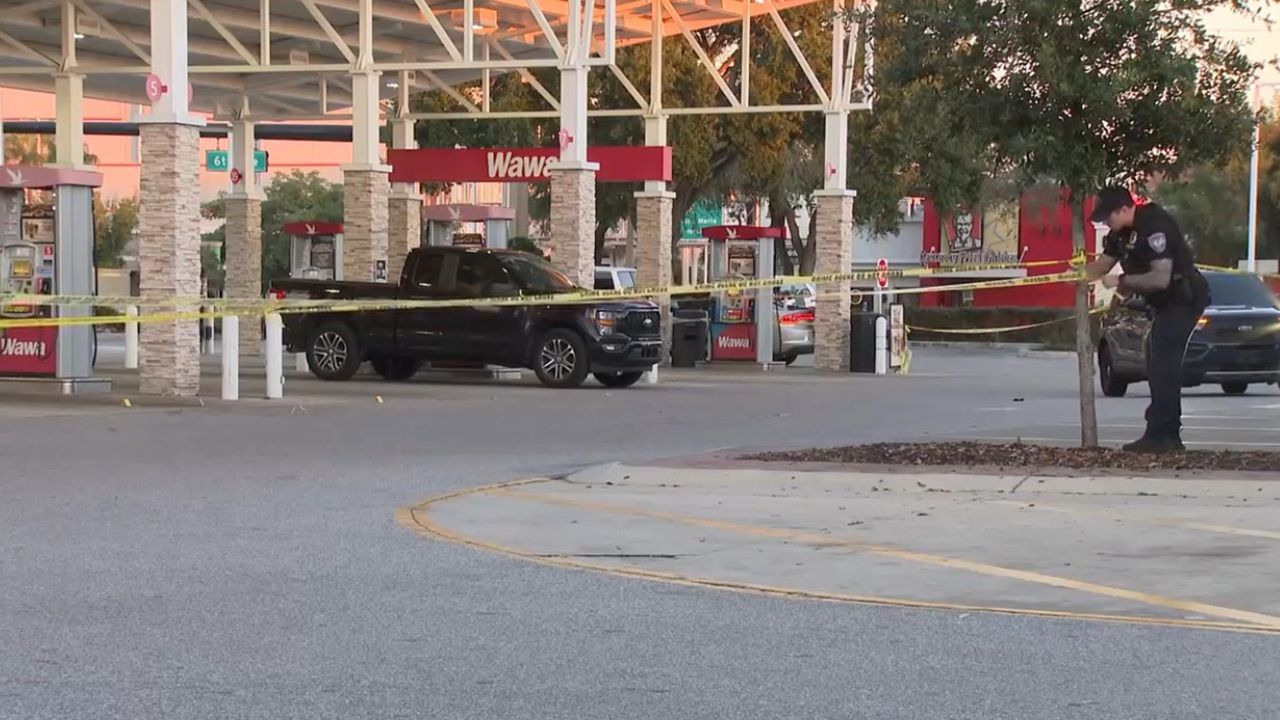
Bradenton Officers Injured After Being Struck by Suspect’s Vehicle – Bay News 9
Two Bradenton Police officers were hospitalized early Sunday after being struck by a suspect's vehicle outside a local...

When David Miller Picked up the Phone and Heard an AT&T Loyalty Representative Offering Four New
When David Miller picked up the phone and heard an AT&T loyalty representative offering four new iPhones alongside...