
Global landmine casualties reached a five-year high in 2025 as at least 6,929 people were killed or wounded by mines and explosive remnants of war worldwide, according to annual monitoring data.
Casualty Surge in Myanmar and Syria
The annual report published by the International Campaign to Ban Landmines documented a 10% increase in total casualties compared to the previous year. Civilians represented 84% of all victims whose status was known, while children accounted for half of all civilian casualties where age was recorded.
Myanmar registered the highest annual casualty toll of any nation for the third consecutive year, logging 1,891 victims amid extensive new mine deployment across two-thirds of the country’s townships.
Myanmar has gone beyond crisis to catastrophe, and has claimed the ignoble title of top producer of land mine victims for a 3rd year in a row.
Yeshua Moser-Puangsuwan, co-author of the Landmine Monitor 2026 report
Syria experienced a 50% surge to 1,602 casualties during 2025. That spike followed the ousting of President Bashar Assad at the end of 2024, which triggered the large-scale return of displaced families to homes and agricultural lands along former front lines.
People are now returning and that is driving the casualty figure. They need to radically scale up their clearance capacity.
Yeshua Moser-Puangsuwan, co-author of the Landmine Monitor 2026 report
Ottawa Treaty Withdrawals and New Production
The international framework prohibiting anti-personnel mines faced unprecedented strain as Estonia, Finland, Latvia, Lithuania, and Poland became the first countries in history to withdraw from the 1997 Mine Ban Treaty, citing regional security conditions near Russia.
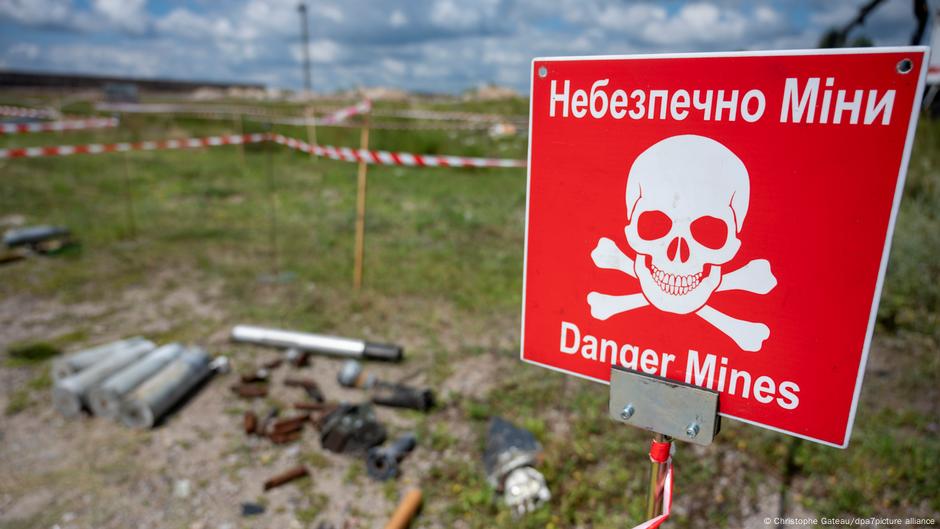
The treaty’s norms face their greatest test since 1999.
Landmine Monitor 2026 report
Finland and Poland prepared to reintroduce anti-personnel mines into their military inventories. Despite those departures, Lebanon, the Marshall Islands, and Tonga joined the pact, keeping the total number of state parties at 162.
Eight Countries Face Massive Contamination over 100 Square Kilometers
The research arm of the campaign said that Afghanistan, Azerbaijan, Cambodia, Iraq, Morocco, North Korea, South Korea, and Ukraine each have massive land mine contamination exceeding 100 square kilometers. Meanwhile, humanitarian demining resources remained constrained as donors narrowed their geographic priorities.
As conflict, contamination, and casualties rise, there are fewer resources to go around. Donors are narrowing their priorities and geographic focus, putting lives and livelihoods at risk.
Ruth Bottomley, Landmine Monitor editor for mine action funding
Monitor Documents New Mine Use by Russia, Iran, North Korea
The International Campaign to Ban Landmines said that Ukraine remained fully bound by the agreement despite having announced its withdrawal.
According to the publication, North Korea, Iran, Russia, and potentially the United States also used new anti-personnel mines. The monitor also reported that combat engineers in Myanmar received explicit directives to lay explosives around military outposts, transport corridors, and communication towers.

Five African Nations Receive Zero International Mine Action Funding
The research organization observed that several affected African nations, specifically Chad, Burkina Faso, Guinea-Bissau, Mauritania, and Niger, obtained zero international financial support for mine action in 2025. Yeshua Moser-Puangsuwan said that Syria presented a massive post-conflict crisis requiring extensive rebuilding efforts following years of armed hostilities.
The campaign emphasized that humanitarian organizations and affected populations continued to confront severe danger as funding channels narrowed and contamination persisted across numerous regions. Loren Persi Vicentic asserted that the severe harm inflicted upon civilians and minors remains entirely preventable if all governments pledge to halt future weapon deployment.
Global Context and Treaty Obligations
Released ahead of the Twenty-Third Meeting of States Parties to the Mine Ban Treaty, the Landmine Monitor 2026 report tracks global efforts to universalize the 1997 agreement, clear contaminated regions, provide risk education, and assist survivors.
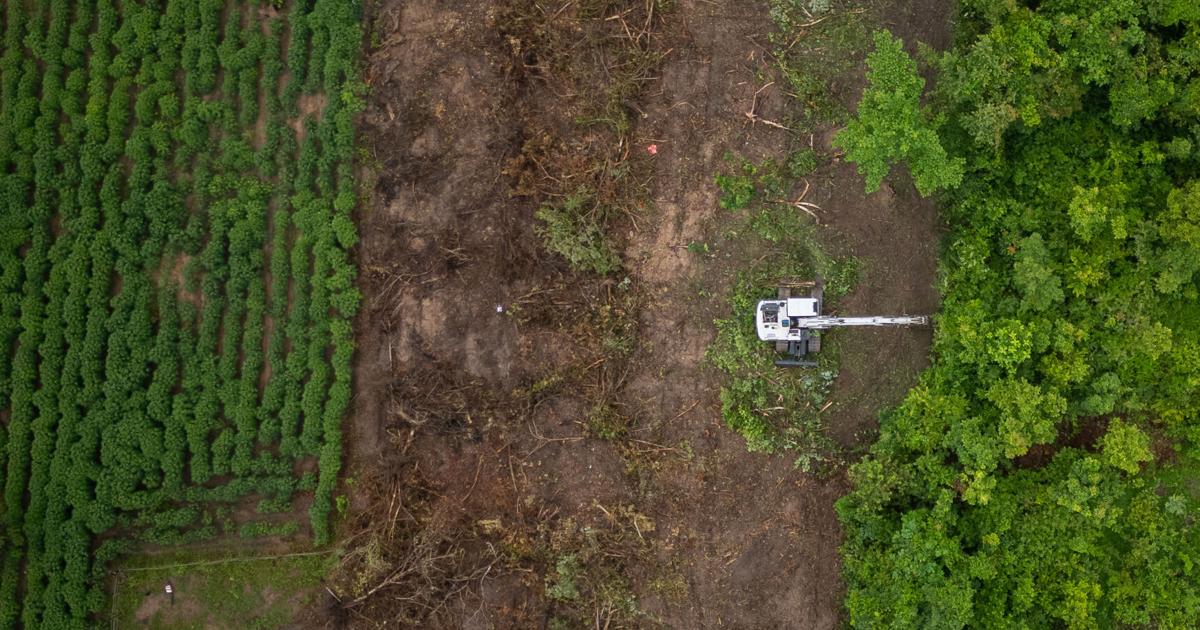
Since 1999, the monitoring group has recorded nearly 50,000 fatalities and over 118,000 injuries globally from these devices. Following Afghanistan, which recorded 497 casualties, other nations across Southeast Asia also saw heavy impacts, with Laos and Cambodia documenting child casualties from unexploded ordnance and landmines.
While countries such as Croatia completed clearance operations in March 2026, 32 states parties still maintained areas requiring clearance, and nine requested deadline extensions during the year. International mine action funding remained stable overall in 2025, but assistance programs experienced global disruptions due to a United States foreign assistance freeze and grant terminations. Just five primary donors provided 62% of all international funding for mine action.
The report documented new use and production of antipersonnel mines by state party Ukraine in violation of its treaty commitments, including the deployment of 3D-printed and drone-dropped devices.
Ukraine formally notified the United Nations of its suspension of treaty implementation while remaining bound by its obligations under international law, justifying the move through ongoing military conflict with Russia, a non-signatory state that has also deployed mines extensively. Additional new use of antipersonnel mines was attributed by monitors to Iran, North Korea, and potentially the United States, alongside militias and military forces in Myanmar.
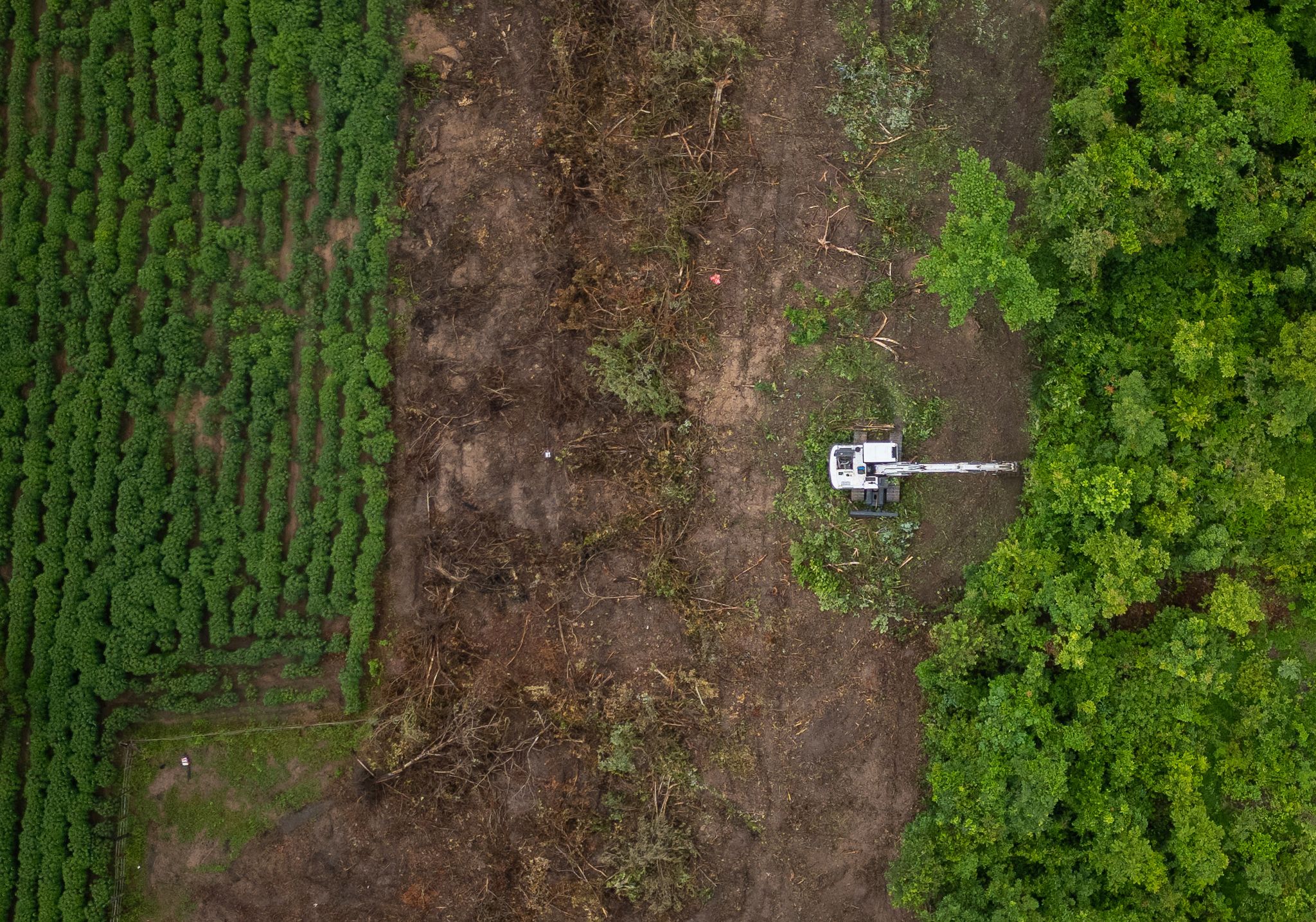
Specialized experts warned that children face disproportionate risks from unexploded ordnance because curiosity, bravado, and a lack of safety awareness frequently lead them to pick up dangerous objects resembling toys.
In northwest Syria, specific incidents highlighted the continuous danger to rural families, such as an explosion in Umm Khuzaym where an 11-year-old girl was killed and her 10-year-old brother severely injured while tending goats, despite fields having been cleared previously. The Halo Trust said that over 60% of its recorded Syrian casualties involved farming, livestock grazing, and agricultural labor.
The International Campaign to Ban Landmines operates as a global coalition of non-governmental organizations dedicated to prohibiting the use and proliferation of anti-personnel mines. Through its research and monitoring arm, the Landmine Monitor, the organization tracks the worldwide landmine and cluster munition situation, compiling annual data on global casualties, new mine deployments, and state compliance with the Mine Ban Treaty.
It is civilians, especially children, who continue to suffer terrible harm from landmines. This harm is avoidable, but only if all countries commit to preventing any further use.
Loren Persi Vicentic, Landmine Monitor editor for casualties and victim assistance
Syrian military units reported recovering and neutralizing more than 315,000 mines and explosive items since late 2024, though a comprehensive national survey of contaminated territory has not yet been executed. Along the border between Bangladesh and Myanmar, refugees continue to face hazards while grazing livestock or utilizing transit routes initially taken during mass displacement events.
Keep reading

Italian Couple Faces Eviction From Pasolini Home Under Medieval Law
An Italian couple who bought a house built by filmmaker Pier Paolo Pasolini now faces eviction after a...
Delhi Nighttime Cooling Capacity Drops, Researchers Say
Delhi's summer nights have lost their ability to cool down, trapping millions in homes that radiate heat long...

Pilot Projects Find Cool Roofs Cut Indoor Heat by 4-5 Degrees
Pilot projects in two coastal towns near Chennai are testing whether cool roof tiles and reflective paint can...

Was Japan Prime Minister Takaichi Snubbed at China’s Big Summit
Japanese Prime Minister Sanae Takaichi arrived at the APEC summit in Shenzhen on November 18 to a reception...