Funeral Ceremonies and Political Tensions

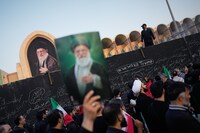
The funeral, which included a public holiday in Iraq, highlighted the significance of Najaf, described by Al Jazeera as the third holiest site in Shia Islam after Mecca and Medina. “No one knows the exact number of mourners here in Najaf, but it’s pretty clear that we’re looking at hundreds of thousands,” said a reporter from the outlet. Meanwhile, the Wall Street Journal noted Iran’s effort to elevate Khamenei’s religious stature globally, positioning him in a lineage tied to Shia Islam’s roots.
Spiritual Significance of Najaf
Political tensions surfaced as hard-line supporters attacked President Masoud Pezeshkian and Foreign Minister Abbas Araghchi during the procession, chanting “death to the appeaser.” Social media videos verified by The New York Times showed security personnel rescuing Pezeshkian, while Araghchi was struck by a rock. The clashes coincided with U.S.-Iran exchanges of airstrikes and missile strikes, escalating regional hostilities.
Clashes During the Procession
Khamenei’s body was later flown to Karbala for further ceremonies before his burial in Mashhad. Mojtaba Khamenei, who has not yet appeared in public since taking over as the supreme leader shortly after his father’s assassination, remained absent, with officials citing unspecified injuries from the February 28 strikes that killed the late leader. Esmail Qaani, head of Iran’s Islamic Revolutionary Guard Corps’ Quds Force, praised the “spiritual bond” between Iraq and Iran, stating the event “shows the depth of the spiritual bond between the two great nations of Iraq and Iran to the whole world,” according to Al Jazeera.
Regional Implications and Geopolitical Tensions
The funeral processions underscored Iran’s struggle to balance internal divisions and external pressures. While Iraq hosted the ceremonies, the U.S. and Iran exchanged attacks after commercial vessels were hit in the Strait of Hormuz. “An opportunity not to be missed to participate in the funeral of the person who challenged the power of America and Israel,” said Iraqi attendee Mohammed al-Bayati, as reported by Al Jazeera.
The events reflect a complex interplay of religious reverence, political strife, and geopolitical conflict, with Khamenei’s legacy shaping both domestic and international dynamics. As the ceremonies concluded, the region remained on edge, with tensions threatening to spill into broader conflict.
“Death to the appeaser.” — chant by hard-line supporters, documented by The New York Times.
“The city is used to seeing huge numbers of pilgrims for religious events, and this seems to be ranking among those in its significance.” — Jack Hewson, Al Jazeera.
“The extensive planning for this historical event by the Iraqi government and people shows the depth of the spiritual bond between the two great nations of Iraq and Iran to the whole world.” — Esmail Qaani, as reported by Al Jazeera.
“An opportunity not to be missed to participate in the funeral of the person who challenged the power of America and Israel.” — Mohammed al-Bayati, as reported by Al Jazeera.
Find more reporting in our News section.
Worth a look
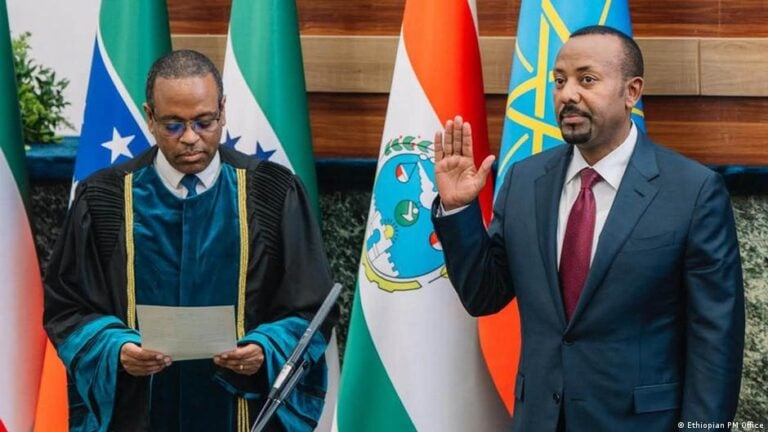
Abiy Ahmed Sworn In as Prime Minister With Focus on Red Sea Access
Prime Minister Abiy Ahmed was sworn into a new five-year term on Monday, October 5, 2026, following his...
Pope Leo XIV Rejects Death Penalty as Attack on Human Dignity
Pope Leo XIV has rejected the death penalty as an attack on human dignity, posting on X that...
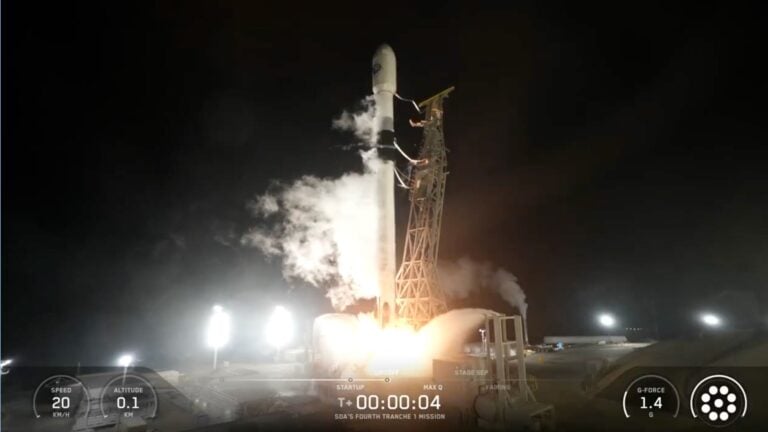
SpaceX Launches 21 U.S. Space Force Satellites After Delay
Following a five-day delay from an earlier countdown abort, a SpaceX Falcon 9 rocket successfully launched 21 data...
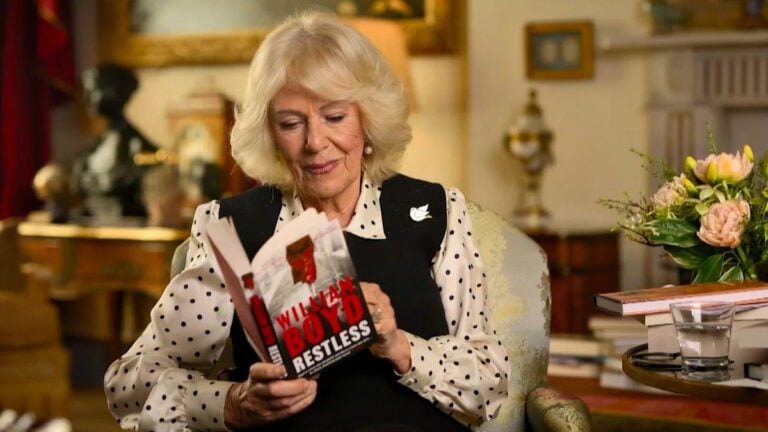
Queen Camilla Recalls Secret Teenage Reading of Lady Chatterley’s Lover
Queen Camilla has revealed she secretly read Lady Chatterley's Lover under her pillow by torchlight as a teenager...